LATEST NEWS:
Lux Miranda
Endless incantations is an entry into the world. We are here. Thought unfolds, work radiates, the line takes on substance.

Endless Incantations is an entry into the world. We are here. Thought unfolds, work radiates, the line takes on substance.
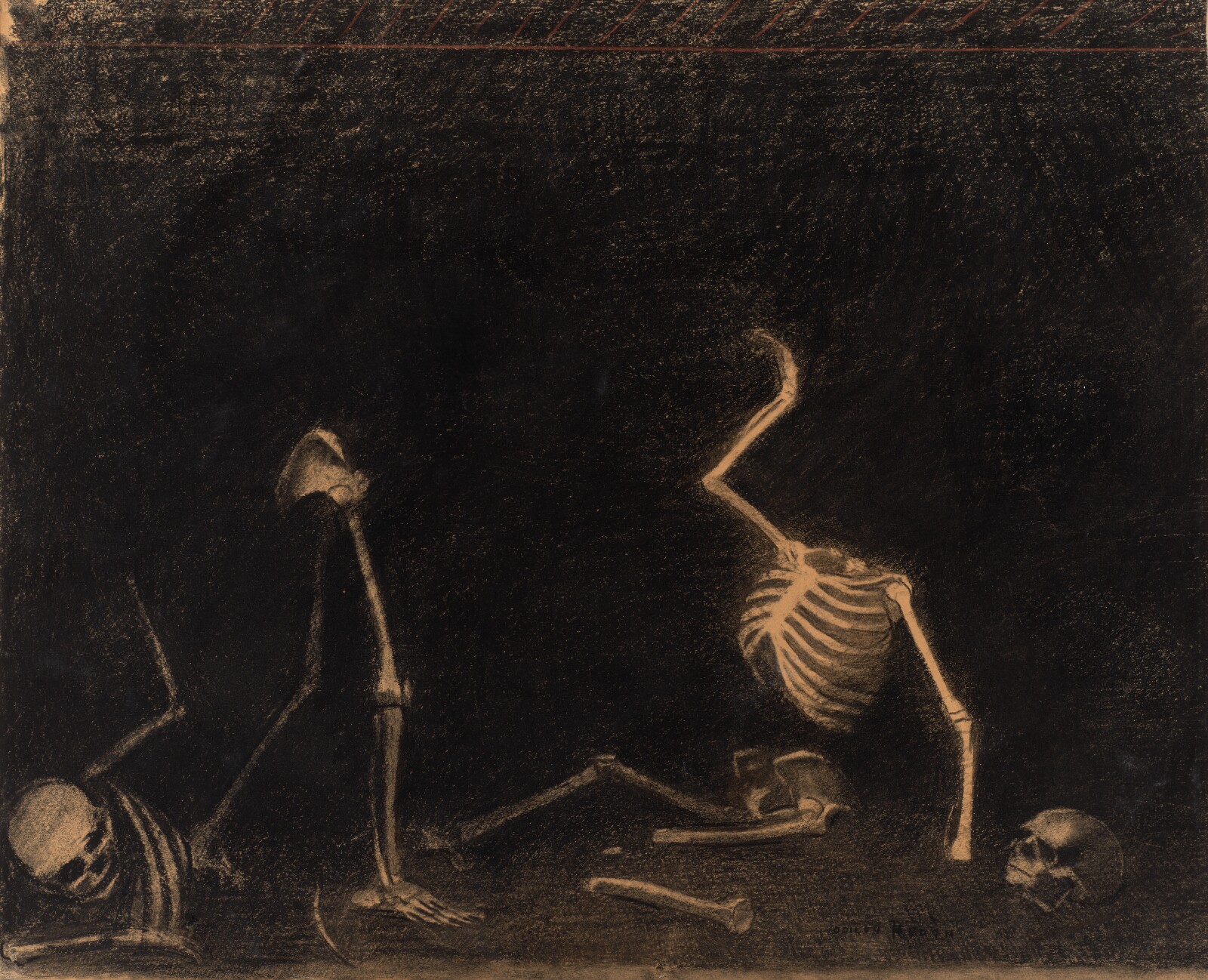
Lux Miranda has an intimate practice of drawing. In the folds of her notebooks, the artist detaches herself from expectations, norms, injunctions, and assignments. She takes a step back, observes in hyper-presence, and traces the forms that have passed through her. This research can be situated within a careful study and an edifying practice of dharma—the texts of Asian philosophical thought that open the way to conscious and focused behavior. It is a matter of confronting the incessant noise of our inner selves, exploring the abyss, facing our fears, tasting connection, and accepting the impermanence of all things. Through this daily practice of drawing, Lux Miranda reflects on what art historian Aby Warburg would call “ghosts of forms,” those remnants that inhabit us.
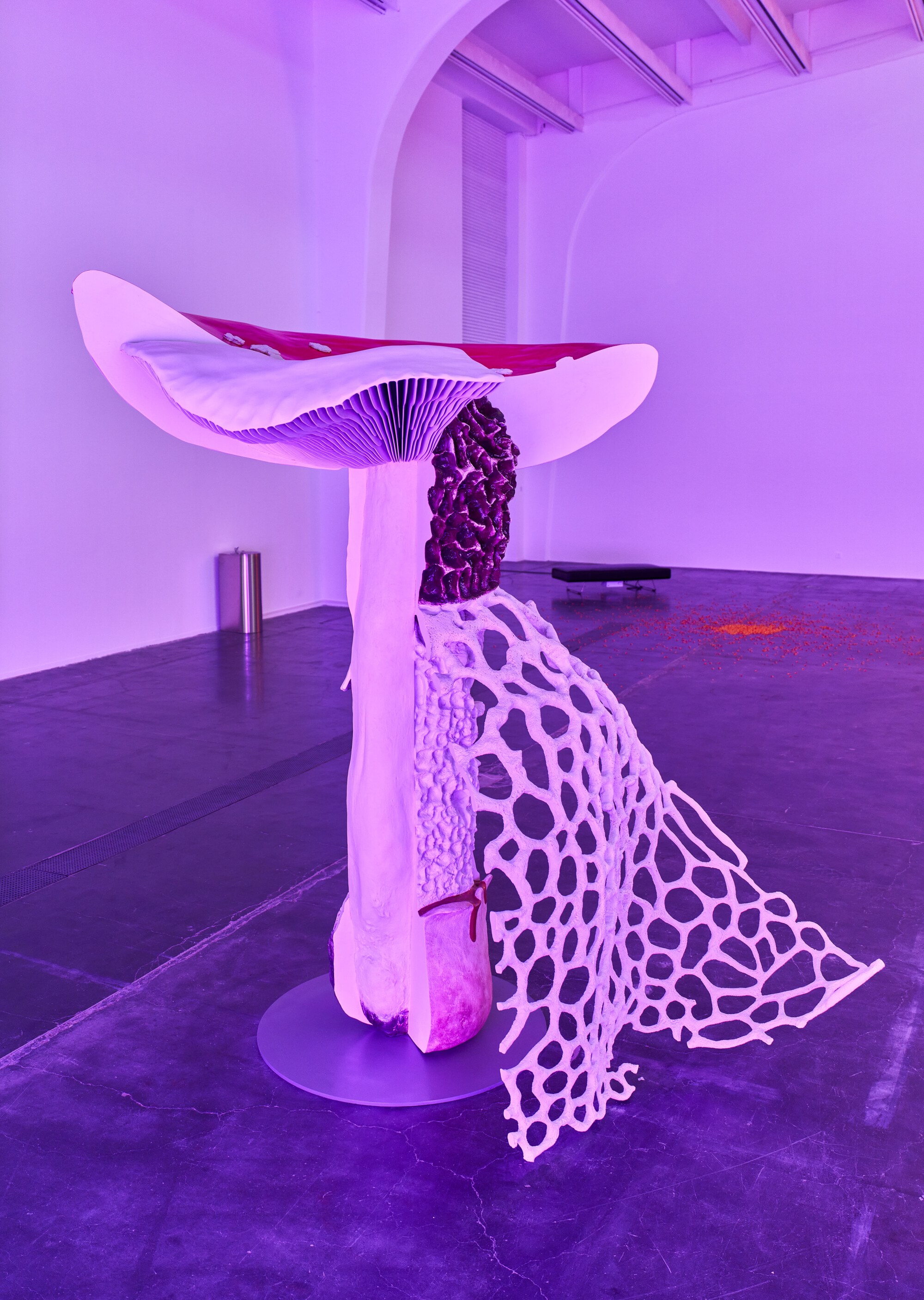
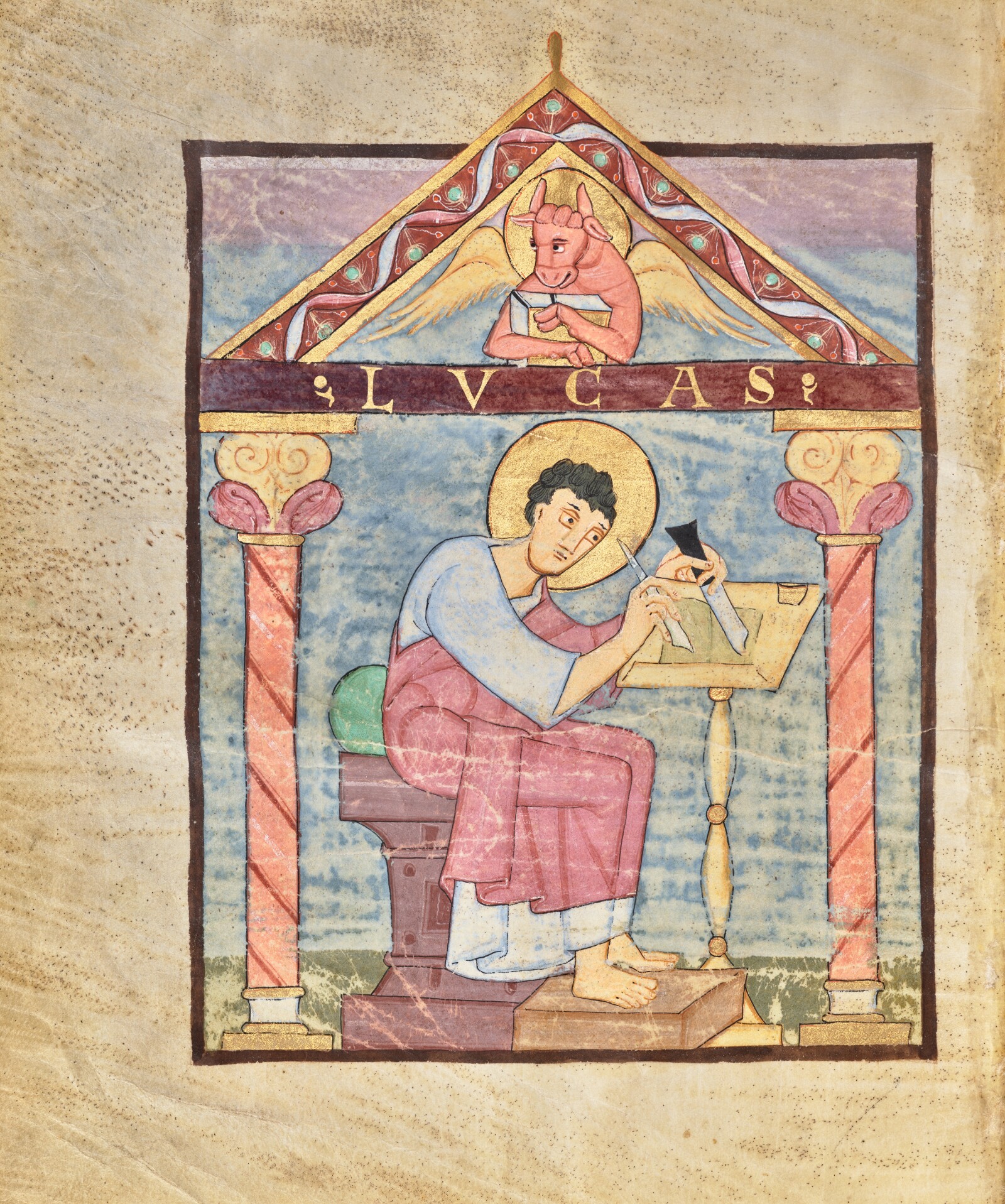
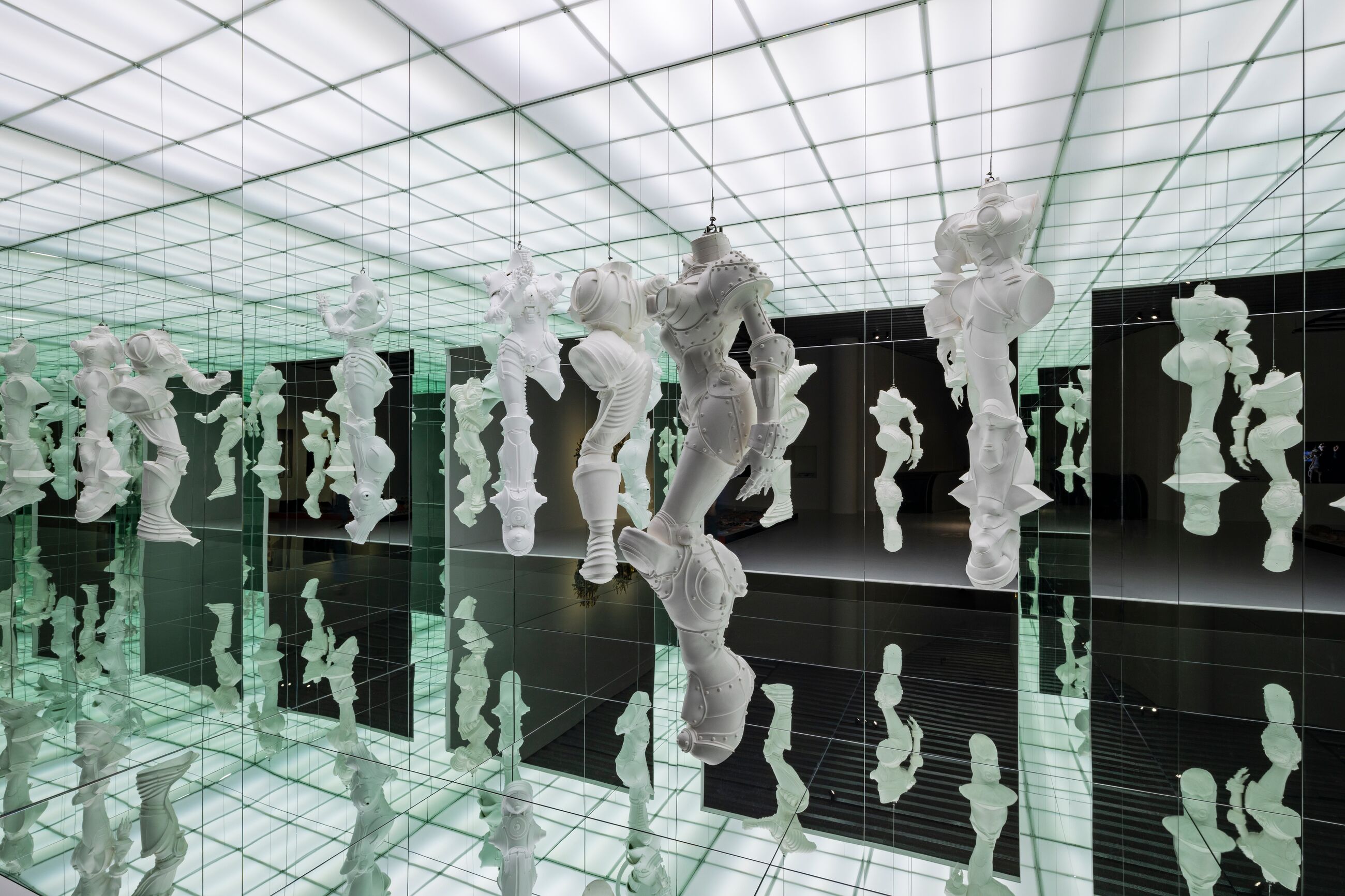
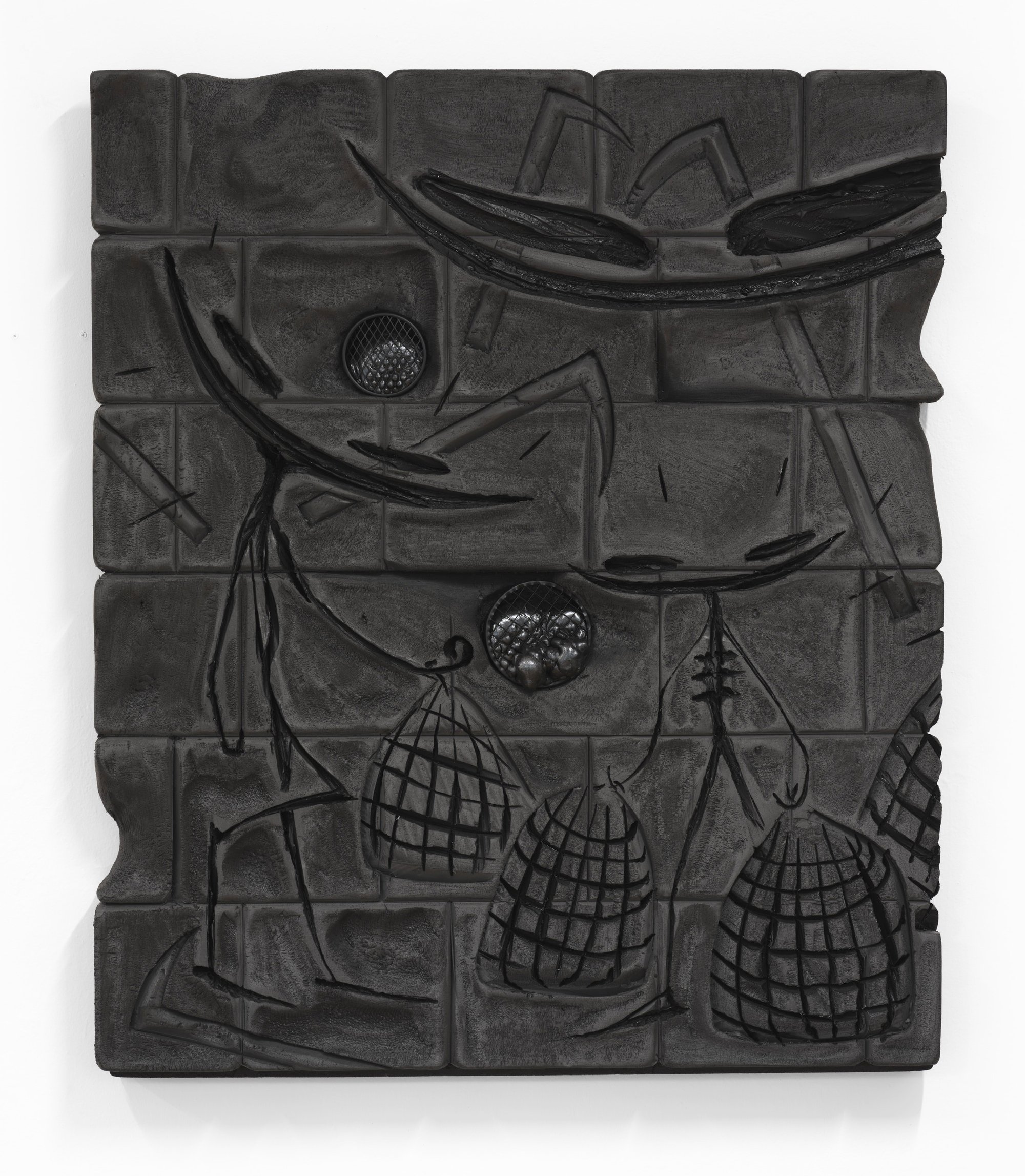
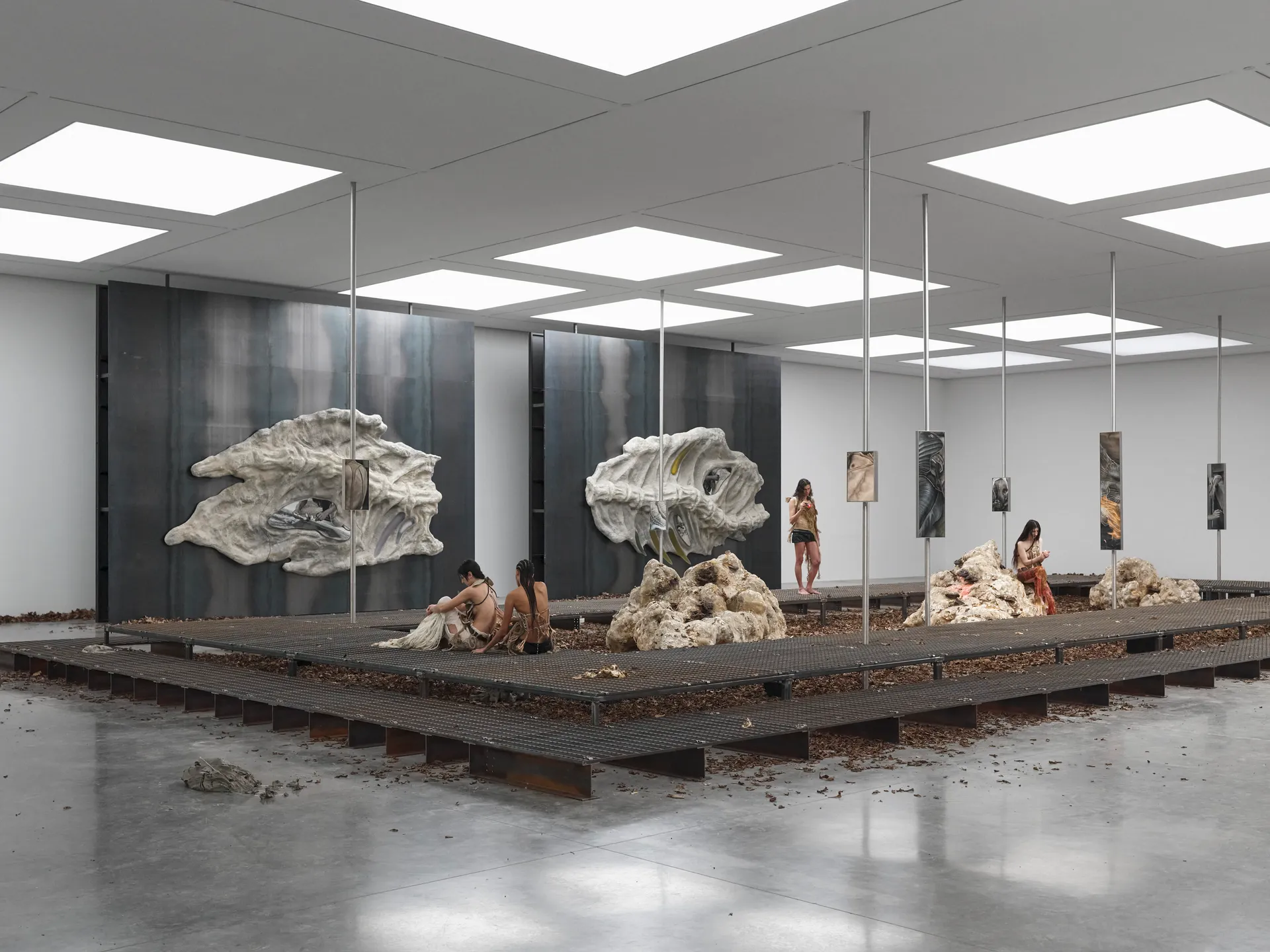
Lux Miranda’s works are therefore a translation. The translation of her intimate drawings—associated, reworked, combined—in the material. The translation of an attempt to take a step back and rise above, a form of archaeology of her being, setting out to discover obscure artifacts. In her works, there is a necessary passage through the body put to the test, in order to encapsulate time and gesture, to infiltrate a certain danger as the work takes shape. The grammar of forms refers to both queer counterculture and punk as much as it does to early medieval iconography and sacred works. Although independent, the works are nonetheless connected, linked by an unsettling strangeness.
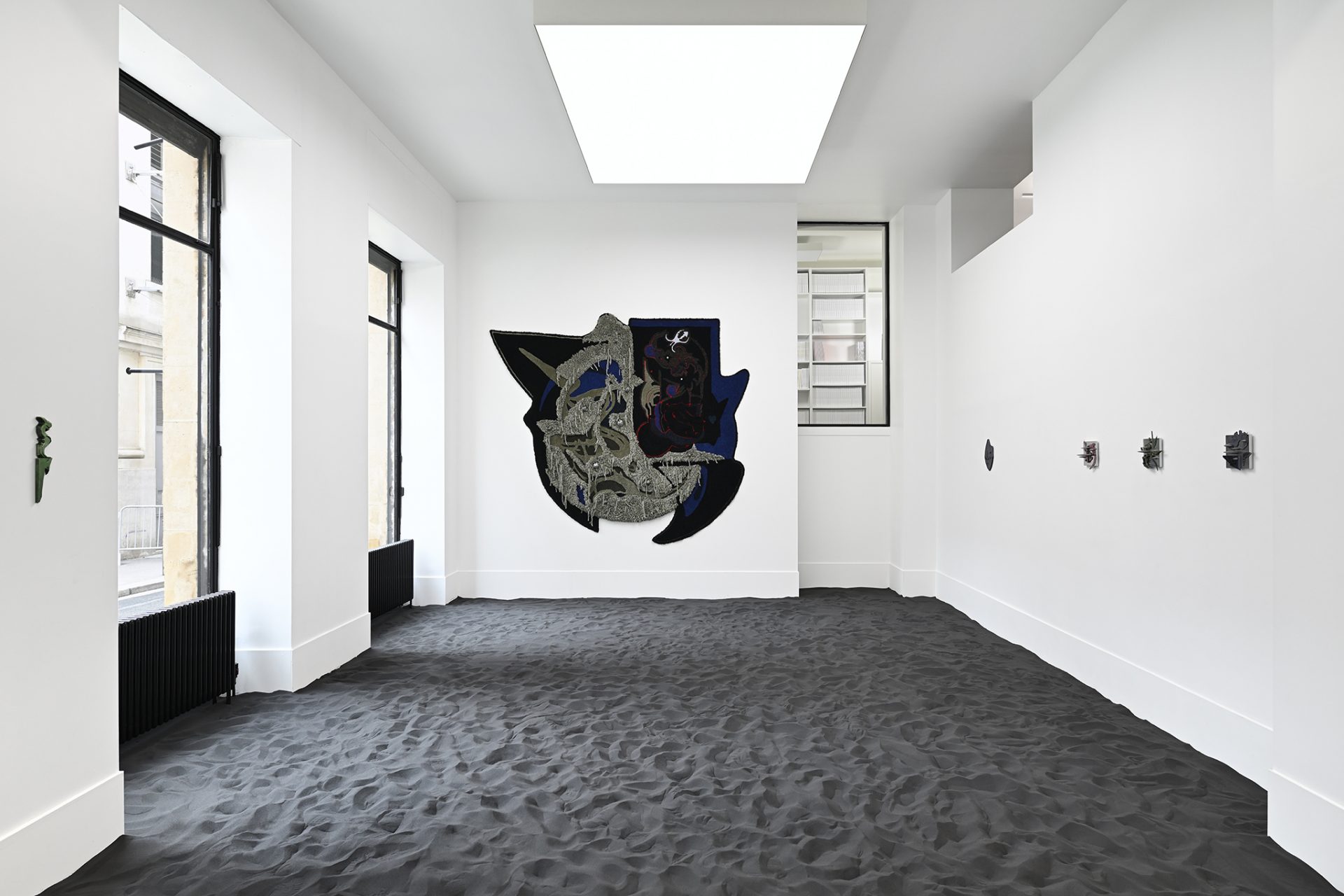
Lux Miranda positions herself as a sculptor, conceiving her works in space and arranging them in an imaginary, furious architecture. The work becomes narrative.
Votive pieces lend Lux Miranda’s works their hermeticism. They impose humility and surrender on us. With this deliberate syncretism, and by appropriating the so-called “minor” arts, Lux Miranda conquers the field of digression and invests the territory of abstraction. What is at stake is the formulation of a complex queer imagination that refuses the immediacy of the message, transcends anger, and detaches itself from desire. Abstraction becomes a refuge, a poetic space in which to survive the thunderous noise of the world—a space of distraction where “this new world,” evoked by Monique Wittig, could begin. Forms, materials, and colors constitute a language here: an endless incantation defying the established order; an escape that brings about a filter allowing us to feel the world differently.
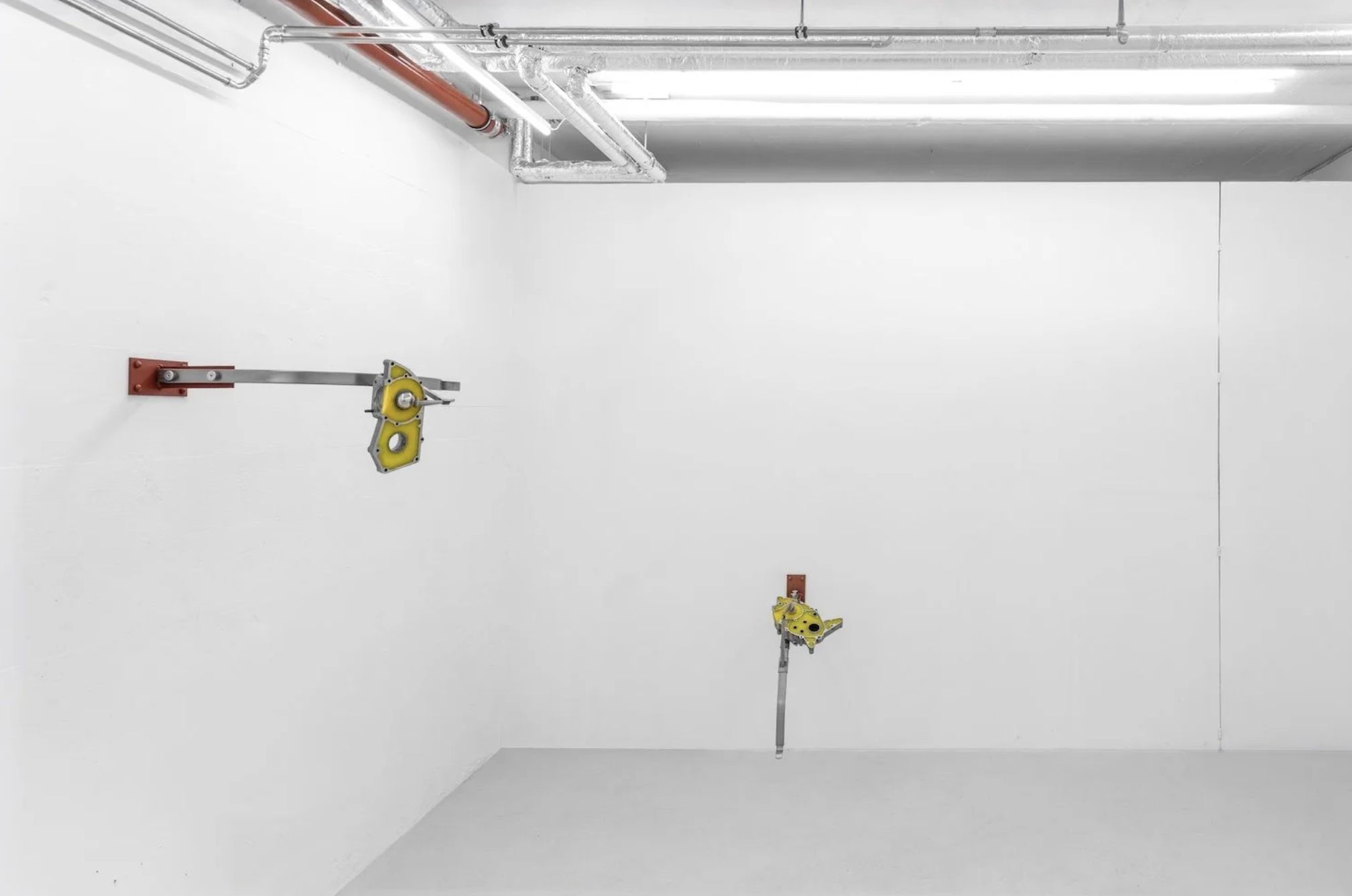
The materiality of the works is not a trivial detail. Lux Miranda seeks a physical relationship with the pieces while keeping us at a distance. She confronts us with our binary reading of the world, bringing together the warm, domestic, absorbent wool with the cold, industrial, reflective metal. More than an opposition, it is the experience of a large, interdependent whole—a single incantation that repeats itself and resonates each time differently in the material. Where the tapestries are studded with spikes and reveal their adversity, the metal pieces unfold their sensuality through the work of iridescence on their surfaces. “Dark and truly sparkling, that is to say desirable,” says Romain Noel, in a reflection on obscurity as a path to emancipation and survival—a reflection that finds a particular echo in Lux Miranda’s creative process.
Finally, Lux Miranda’s works embody a combination of a lust for life, a violent anger, and the temperance of someone who has always-already begun to understand. American author Dorothy Allison sums it up well: “I put on the page a third look at what I’ve seen—the condensed and reinvented experience of a cross-eyed, working-class lesbian, addicted to violence, language, and hope, who has made the decision to live, is determined to live, on the page and on the street, for me and mine.” It is about reclaiming the gaze that reifies, escaping assignment, arousing desire while refusing touch. Is it, in a way, about carrying a danger? Surely. Not the danger of hurting, but the danger of surviving.
“Because others before me have lived through this, and together we have the consistency of water. We are eternal and flexible, adaptable and resilient, and we dance day and night, like the tide, because we are sisters of the moon and not of hatred. And always, always, we will be there.”
— Virginie Despentes, quoting Alana Portero, 2025
Céline Poizat Sabari
Lux Miranda (b. 1990, Bourges) lives and works in Paris. She holds an MFA from Villa Arson, École des Beaux-Arts de Nice (2015). Following her first solo exhibition at Sleeping with Ghosts, THEPILL (Istanbul, 2021), she participated in group exhibitions such as Veines d’opale, Espace Voltaire (Paris, 2022); Inspiré.es Acte 03, Centre d’art L’Artsenal (Dreux, 2023); Caliban and the Witches, Berlinskej Model (Prague, 2023); and Dreams, Chateau La Coste (Le Puy-Sainte-Réparade, 2025). Lux Miranda was the recipient of the inaugural B Signature Prize for Contemporary Art in 2023 and of a residency fellowship at the Cité des Arts, Paris, in 2024.



.webp)