
November 19, 2026
Collector Intelligence
Collector Intelligence

A practical collector’s guide to light, climate, framing, wall fixings, sculpture, installation planning and preventive care when displaying art at home.
What a Certificate of Authenticity can prove, who should issue one, how to verify it and why provenance, scholarship and technical analysis still matter.
Collector Intelligence | Last reviewed 18 November 2026
A Certificate of Authenticity can be an important part of an artwork’s documentation, but it is not a magic document that makes every attribution secure. Its value depends on who issued it, what it identifies, whether that authority is recognised for the artist and whether the certificate can be connected reliably to the object in front of you.
Authentication is usually cumulative. Christie’s current guidance describes a process that may combine provenance research, expert visual examination, catalogue raisonné research and scientific analysis. IFAR likewise stresses that provenance can support authenticity but is rarely accepted as sole proof because ownership histories themselves can be falsified.
A useful certificate should identify the artist, title, date, medium, dimensions and edition information where relevant. It should identify the issuing person or organisation and be dated. Ideally, it also includes an image, reference number, signature, stamp or other information that lets future owners match the document to the work.
For installations, digital works and editioned sculpture, the certificate may also define what constitutes the work, authorised components, replacement rights or installation instructions.
A certificate signed by the artist can be meaningful, especially for a contemporary work. For a deceased artist, an artist estate, foundation, authentication committee, catalogue raisonné project or recognised scholar may be relevant. Authority varies by artist: there is no universal body that authenticates all art.
Before relying on a certificate, research the issuer. Does the relevant market, scholarship and major institutions recognise that authority?
You still need to know where the artwork came from and whether the seller has the right to transfer it. A certificate can support attribution without establishing legal title. Equally, a good ownership history does not automatically prove authorship.
Keep provenance, title and authenticity as separate questions that reinforce one another.
A signature can be useful but can also be forged, added later or genuine on a work that was not otherwise executed by the artist. Compare signatures with recognised examples, but do not use a signature as a shortcut around scholarship and object research.
For some artists, inclusion in a respected catalogue raisonné is strong scholarly evidence. But not every artist has one, catalogues can be incomplete and scholarship can change. Check that the dimensions, medium, provenance and illustration in the catalogue correspond to the exact work.
Technical examination can identify pigments, supports, underdrawing, alterations or materials inconsistent with the supposed date. Scientific evidence rarely answers every question alone, but it can confirm or challenge an attribution when combined with provenance and connoisseurship.
Red flags include vague wording, no image, no object dimensions, an issuer with no recognised relationship to the artist, copied signatures, inconsistent dates or a certificate that cannot be independently verified.
Do not assume embossed paper, holograms or elaborate seals create authority. Security features can protect a legitimate document, but they cannot make an unqualified issuer authoritative.
Banksy is a clear example: Christie’s notes that Pest Control is the recognised authentication service for his work and that fake Pest Control certificates circulate. The lesson is broader than Banksy: learn the authentication structure for the specific artist rather than applying generic rules.
Ask for a scan in advance. Verify names, dates and reference numbers. Contact the issuer independently if the work is valuable enough to justify it. Do not use contact details supplied only on the certificate if you can verify the organisation through a trusted external source.
Do not tape it to the back of the artwork or store it where it can be damaged. Scan it, record where the original is kept and maintain a digital backup. If the work is sold or inherited, the certificate and supporting research should transfer with it.

Christie’s: How Auction Houses Authenticate Artwork
IFAR: Provenance Guide
Christie’s: Banksy Collecting Guide and Pest Control
Authentication can involve expert judgment, scientific analysis and changing scholarship. Significant acquisitions may require independent specialist advice.
A practical collector’s guide to light, climate, framing, wall fixings, sculpture, installation planning and preventive care when displaying art at home.
From condition reports and packing to climate, insurance, customs and storage, a collector’s practical framework for moving art safely.
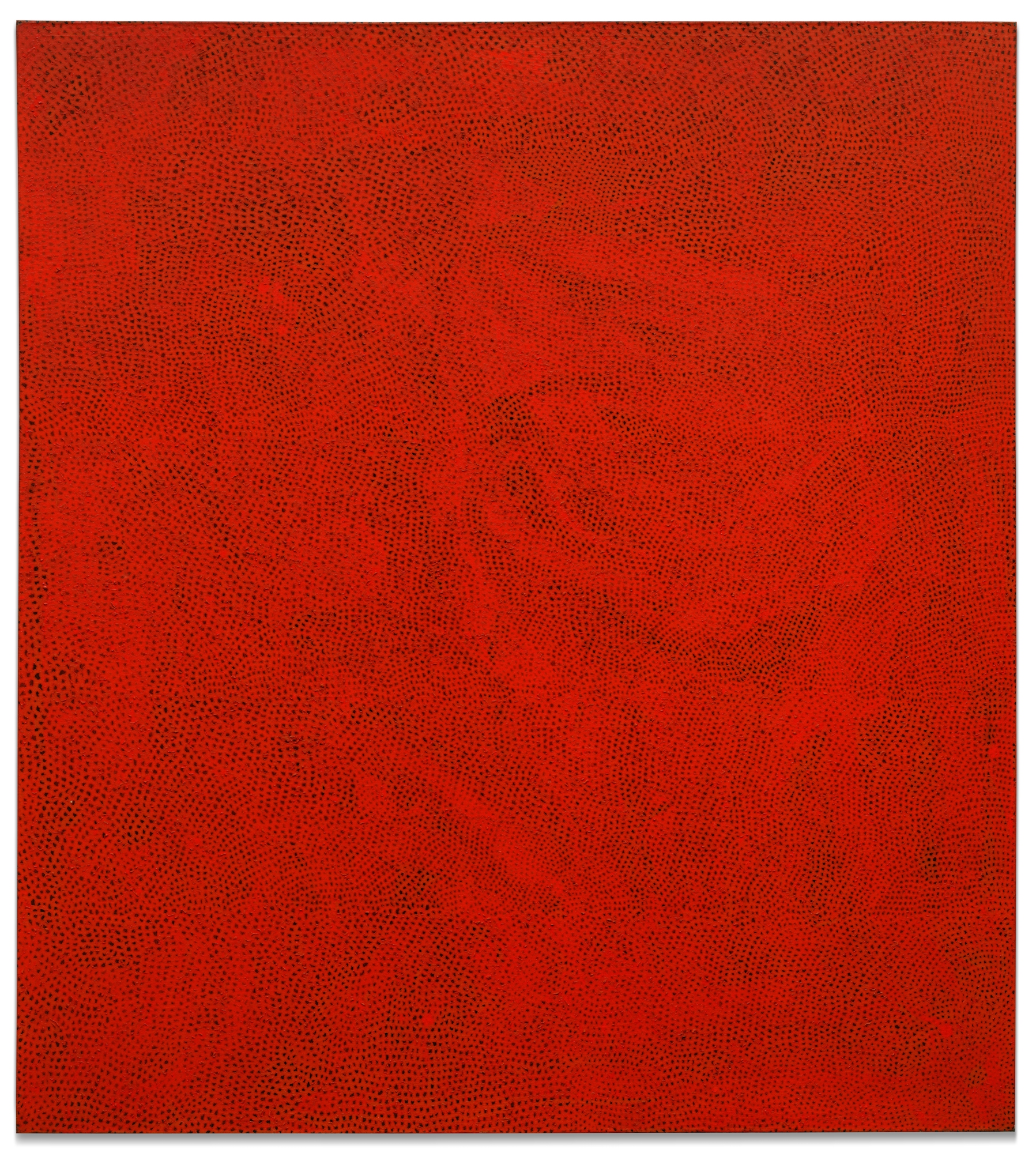
New York’s opening November 2026 evening auctions generated $1.11bn across Christie’s, Sotheby’s and Phillips, with Kandinsky, Kusama and Modigliani among the major results.