
October 18, 2026
Exhibitions
Exhibitions

From a £5 million Brueghel and three major Alice Neel sales to George Rickey, global modernism and a £675,000 Triceratops skull, Frieze Masters rewarded collectors who looked beyond categories.
MMCA Seoul brings together around 500 works by Do Ho Suh, revealing how the artist’s drawings, objects, family history and fabric architecture form one continuous practice.
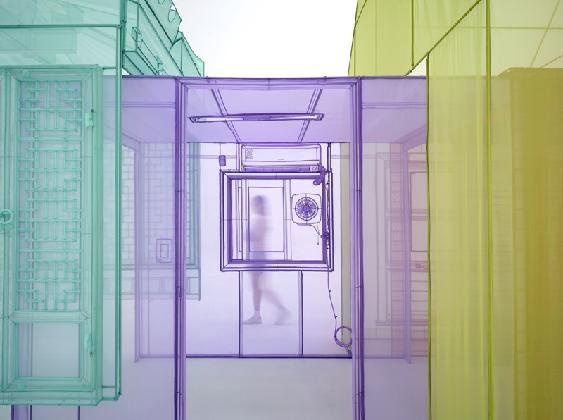
Do Ho Suh’s largest exhibition to date brings around 500 works to MMCA Seoul, from childhood objects and early experiments to the translucent architectures that made him internationally known. For collectors, the exhibition is also a masterclass in how drawings, instructions, materials and memory support the life of installation art.
Do Ho Suh has spent much of his career making buildings portable. Now one of those journeys has brought the work back to Seoul on an unprecedented scale. Opening at the National Museum of Modern and Contemporary Art, Korea on 27 August 2026, Do Ho Suh gathers around 500 drawings, sculptures, videos and installations. Korean news agency Yonhap describes it as the biggest exhibition of Suh’s work to date. MMCA’s official presentation runs through 9 February 2027 before the project travels to the Museum of Contemporary Art Tokyo and M+ in Hong Kong in 2027.
The absence of a subtitle is revealing. Suh’s subjects—home, migration, identity, memory, the body and the collective—have become so interdependent that separating them into a neat retrospective theme would be misleading. Instead, the exhibition lets the work accumulate as experience. A home becomes a skin. A corridor becomes a drawing. Clothing becomes a container for family memory. A remembered threshold can be reconstructed in fabric thousands of miles from the architecture that produced it.
For a collector, that breadth is instructive. Museum-scale installation can make an artist seem almost impossible to collect privately, as if the “real” practice begins only when an institution can provide a vast room. MMCA makes the opposite case. By placing early drawings, objects, models, paper works, videos and architectural installations in one sequence, it shows how a large practice is built from many kinds of objects and many kinds of knowledge.
The exhibition begins with a section called “Seed Bank.” It includes material from before Suh’s professional career: childhood drawings and carvings, records from his student years in Seoul, his university graduation project and early experiments that predate the fabric architecture for which he is now best known. Reporting from the press preview notes that even Suh’s high-school uniform appears among this autobiographical material, alongside one of his first fabric works based on his New York residence.
There is a danger in retrospective exhibitions of turning every youthful gesture into prophecy. MMCA’s advantage is scale: with hundreds of works available, connections can be tested rather than merely asserted. What emerges is not a simple story in which Suh “always knew” he would make translucent houses. Instead, the early material reveals a persistent interest in the boundary between two and three dimensions, between object and environment, and between the body and the spaces that train its movements.
That is a useful framework for collectors of established artists. The market often divides a career into recognisable categories—signature series, secondary series, drawings, editions, models—because categories make comparison easier. A museum can restore the connective tissue. The most interesting acquisition is sometimes not the work that looks most like the auction record-holder, but the object that explains why the major work became possible.
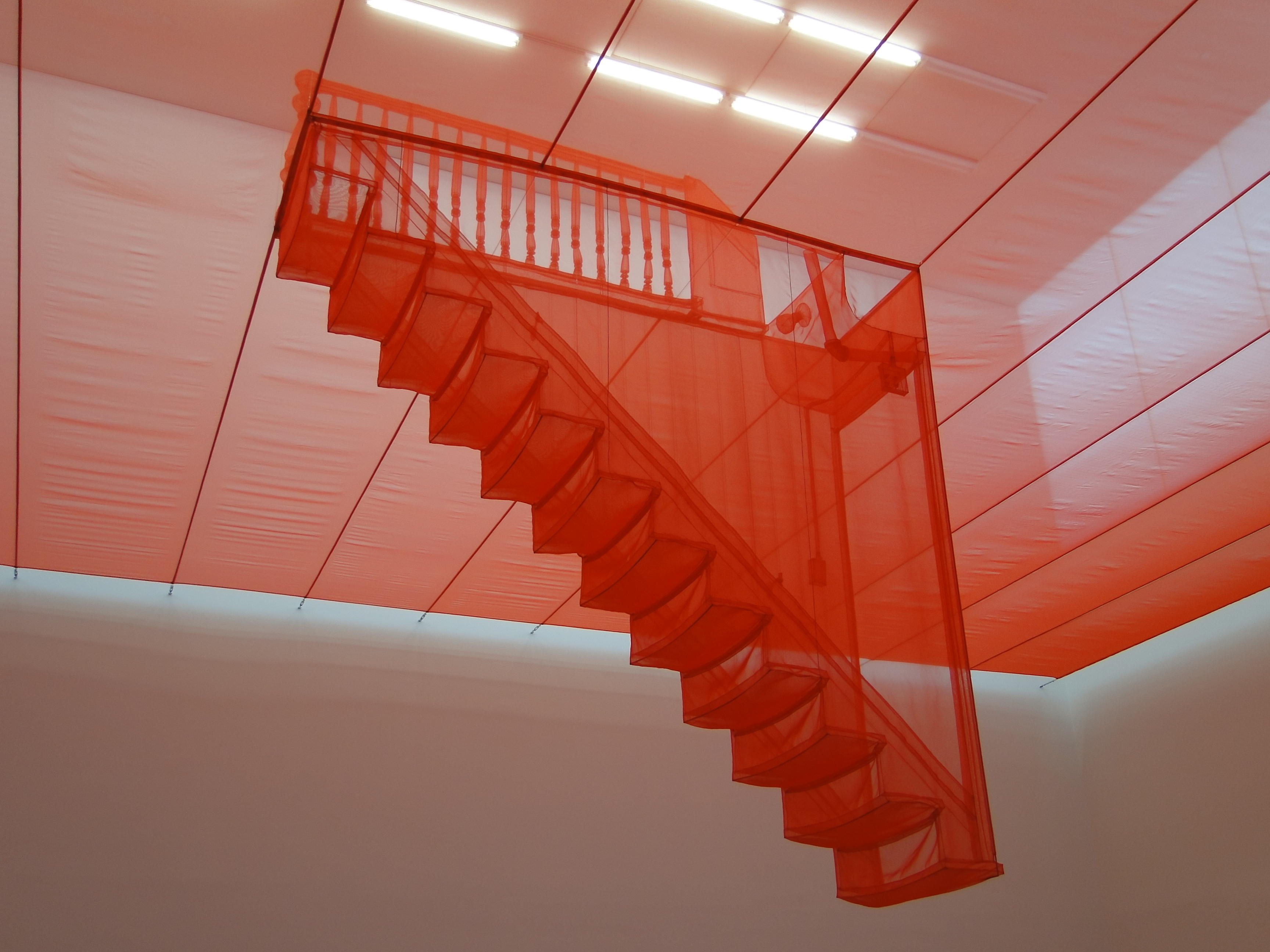
Suh’s most famous fabric works are often described as replicas of homes, but that undersells what they do. A replica promises substitution: this object stands in for that one. Suh’s fabric architecture behaves more like memory. It is exacting about doors, sockets, switches, stairs and passages, yet the material makes solidity disappear. We recognise a functional environment while simultaneously understanding that we cannot live in it in the ordinary sense.
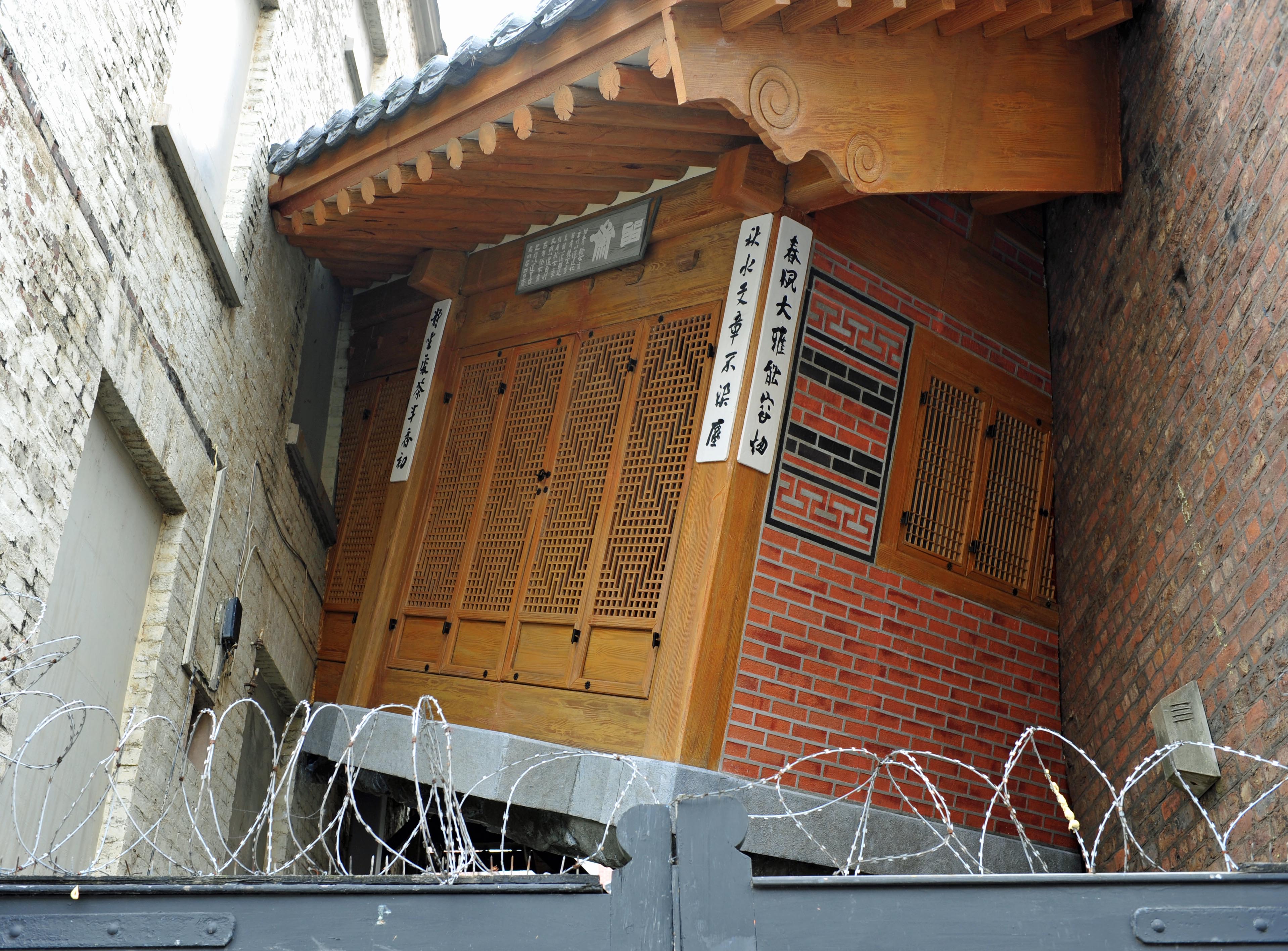
At MMCA, Perfect Home: London, Horsham, New York, Berlin, Providence, Seoul joins multiple places Suh has inhabited into a walkable structure. Small Gate reconstructs the entrance to a hanok where he once lived in Seoul. The Rubbing/Loving projects record architecture through physical contact, pressing paper to surfaces and taking their trace. The wordplay between rubbing and loving is more than a linguistic device: the acts of measuring and recording become forms of attachment.
Collectors should notice how much of this practice depends on information as well as material. A complex installation may consist of fabric and steel, but its long-term identity can also depend on measurements, files, patterns, hardware specifications, installation sequences, approved fabricators, replacement protocols and the artist studio’s continuing involvement. Ownership is therefore not simply possession of a pile of components. It is stewardship of a system.

For any materially complex work, a collector should ask a question that sounds almost too basic: what exactly am I buying? The answer may include unique physical components, artist proofs or templates, a certificate, installation instructions, digital media, hardware, spare materials and rights or limitations governing future refabrication. A condition report should distinguish between elements intended to age, elements intended to be replaceable and elements whose loss would compromise the work’s authenticity.
Variable dimensions require similar precision. “Dimensions variable” is not permission to make an installation any size or shape that suits the next house. Some works can respond to architecture within defined parameters; others depend on exact spatial relationships. A good acquisition file should record not just how a work was installed when purchased but what the artist or studio authorises in future.
Then there is cost. Museum-scale work can require specialist shipping, technicians, rigging, custom crates, climate considerations, insurance riders and days of installation. Those costs should be understood before purchase, not discovered when the collector first lends the work to an institution. If a studio is essential to every installation, ask how that relationship is expected to operate over decades.
None of this diminishes the poetry of installation art. It protects it. The better the documentation, the less likely a future owner is to improvise away the qualities that made the work precise.
The newest works at MMCA turn from buildings back toward clothing and the body. Memory of Love, made in 2026, attaches pockets cut from family clothing to the inside of Suh’s own coat. It is a compact work after rooms one can walk through, yet it does not feel like a retreat. The same logic has simply folded inward. Architecture becomes garment; garment becomes archive; the intimate object becomes a way of holding absent people close.
Suh told reporters that exposing so much early and personal material made him feel “almost naked.” The phrase is revealing because the exhibition repeatedly tests what a home protects and what it exposes. A translucent room offers enclosure without privacy. A rubbing preserves a surface by separating its trace from the original structure. A family pocket is intimate precisely because it has been detached from the clothing that once made it ordinary.
For collectors who follow mature artists over decades, this is a reminder not to freeze a practice at its most market-recognisable moment. A signature vocabulary can remain alive only if it is capable of changing scale, material or emotional register. The best late or recent work often does not abandon the earlier questions; it makes them newly personal.
Collector NotesDefine the work: establish which physical, digital and documentary elements are included in the acquisition.Secure installation documentation: retain measurements, diagrams, approved configurations, hardware requirements and studio contacts.Clarify replacement and refabrication: know which components may be remade, by whom and under what authority.Budget beyond purchase price: transport, crates, technicians, insurance and lending costs can be material for large installations.Look across media: drawings, models and works on paper may reveal conceptual origins that a signature installation alone cannot show.
The paradox at the centre of Suh’s work is that home becomes portable without becoming interchangeable. London is not Seoul; New York is not Providence. Each threshold retains the measurements of a particular life. Yet once rendered in translucent fabric, those specifics become available to other bodies. Visitors walk through somebody else’s remembered architecture and supply their own associations.
That is why the MMCA exhibition matters beyond its size. Five hundred works do not simply certify a major career. They show the infrastructure of one: the studies behind the monuments, the documents behind the installations, the family history behind the architecture and the practical systems that allow an apparently fragile work to travel from Seoul to Tokyo to Hong Kong.
For collectors, the lesson is equally clear. To collect an artist like Do Ho Suh is not only to acquire an object. It is to understand how an object belongs to a practice—and to preserve enough of that practice that the work can still become itself the next time it is unpacked.
From a £5 million Brueghel and three major Alice Neel sales to George Rickey, global modernism and a £675,000 Triceratops skull, Frieze Masters rewarded collectors who looked beyond categories.

Frieze London closed with sold-out emerging booths, meaningful institutional acquisitions and selective blue-chip buying. The real story was not a boom, but a market rewarding specificity.

Nearly 150 works from RM’s collection meet SFMOMA in a major exhibition of Korean modern and contemporary art. Its real lesson is how a private collection develops a coherent eye.