
November 19, 2026
Collector Intelligence
Collector Intelligence

A practical collector’s guide to light, climate, framing, wall fixings, sculpture, installation planning and preventive care when displaying art at home.
A rigorous step-by-step method for researching an artist, the specific work, institutional context, gallery representation, market history, provenance and risk.
Collector Intelligence | Last reviewed 18 November 2026
Researching an artist is not the same as looking for reasons to justify a purchase you already want to make. Good research should be capable of changing your mind. It should tell you whether the work is important within the artist’s practice, whether the public story around the artist is accurate and whether the price and documentation deserve confidence.
The 2026 Art Basel and UBS collector survey found that 72% of high-net-worth collectors conducted moderate or significant independent research before buying, rising to 80% among Gen Z respondents. That shift matters because the art market produces more information than ever, but not all information has equal evidential value.
Describe the artwork before searching the artist’s name. What is the material? What is physically happening? What questions does the work raise? What other works does it appear related to? This prevents the artist’s résumé, market reputation or social-media visibility from doing the looking for you.
Then ask the seller where the work sits within the artist’s wider practice: series, period, exhibition, commission, body of research or material experiment. A strong seller should be able to answer with specificity rather than simply listing prestigious names associated with the artist.
Start with the artist’s official website and representing galleries, then verify important claims through museums, biennials, nonprofit institutions, university galleries, public collections and exhibition catalogues. Separate a solo museum exhibition from a group show, a collection acquisition from a temporary loan, and a confirmed forthcoming exhibition from an aspiration repeated in sales material.
A simple timeline can reveal more than a long biography: education; early exhibitions; first gallery representation; institutional milestones; major bodies of work; changes of gallery; museum acquisitions; publications; and current projects.
Museum attention can deepen scholarship and widen an artist’s historical context, but it is not a price guarantee. Institutions choose artists for curatorial, historical, educational and collection reasons that do not map neatly onto commercial demand. Equally, an artist can be commercially successful before substantial institutional recognition arrives.
Record museum exhibitions and acquisitions because they tell you how the practice is being interpreted and preserved, not because they create an automatic investment signal.
Gallery texts are useful primary sources for the gallery’s interpretation of an exhibition. Interviews can reveal the artist’s own language. Independent criticism and scholarly catalogues help test whether those interpretations are persuasive to others.
Pay attention to repetition. If every article simply paraphrases the same gallery press release, apparent “coverage” may not represent independent critical engagement. Look for writers who describe actual works, locate them within art history and disagree with one another.
Who represents the artist, and where? How long has the relationship existed? Has the artist changed galleries frequently? Are multiple galleries responsible for different territories? What kinds of exhibitions has the gallery organised, and does it appear to place works with public institutions and long-term collectors?
Gallery prestige can matter, but the more important issue is whether the dealer is doing serious work around the artist: exhibitions, scholarship, documentation, conservation knowledge and responsible market development.
One of the most common collector mistakes is evaluating an artwork without seeing enough of the artist’s practice. Ask for exhibition checklists, installation views and images from adjacent years. Does the work represent an important direction or a minor variation? Is it unusually strong, unusually weak or unusually commercial within the series?
For editions and photography, understand how the edition relates to the artist’s practice. For sculpture or installation, investigate fabrication, versions and certificates. For digital and time-based media, determine what is actually transferred and what future technical support may be required.
Auction records are most useful when the artist has an established secondary market. Compare like with like: medium, scale, date, subject, series, edition, provenance and condition. A record price for a museum-scale painting does not automatically support the asking price of a smaller work on paper.
Primary-market pricing deserves its own analysis. Ask whether prices have risen gradually, whether similar works are priced consistently across galleries and territories, and whether recent auction activity is being allowed to destabilise the primary market.
Artist research and object research are different tasks. Once the artist makes sense, turn to the exact artwork. Who has owned it? Where has it been exhibited? Has it appeared in a catalogue, catalogue raisonné or museum loan? Are labels, invoices or photographs available? Does the physical work match the documented work?
For older or high-value material, provenance can raise legal and ethical questions that require specialist help. Research must follow the object, not simply the artist’s reputation.
What would make you walk away? Look for unexplained inconsistencies in dates, dimensions, signatures, ownership history or edition information. Search for disputes, authenticity controversies, sanctions issues, restitution claims or sudden market spikes. An absence of negative information is not proof of safety, but obvious contradictions should never be ignored because you like the work.
Art history is full of incomplete records. A young artist may have little market data. An older artwork may have gaps in ownership. A complex installation may depend on evolving technology. These are not automatically reasons not to buy. The question is whether the uncertainty is understood, documented and reflected in the price and transaction.

Art Basel & UBS Survey of Global Collecting 2026: Research & Discovery
J. Paul Getty Museum: Provenance Research
The Metropolitan Museum of Art: Provenance Research
Collector Intelligence provides general educational information and does not replace specialist authentication, legal, tax, conservation or investment advice.
A practical collector’s guide to light, climate, framing, wall fixings, sculpture, installation planning and preventive care when displaying art at home.
From condition reports and packing to climate, insurance, customs and storage, a collector’s practical framework for moving art safely.
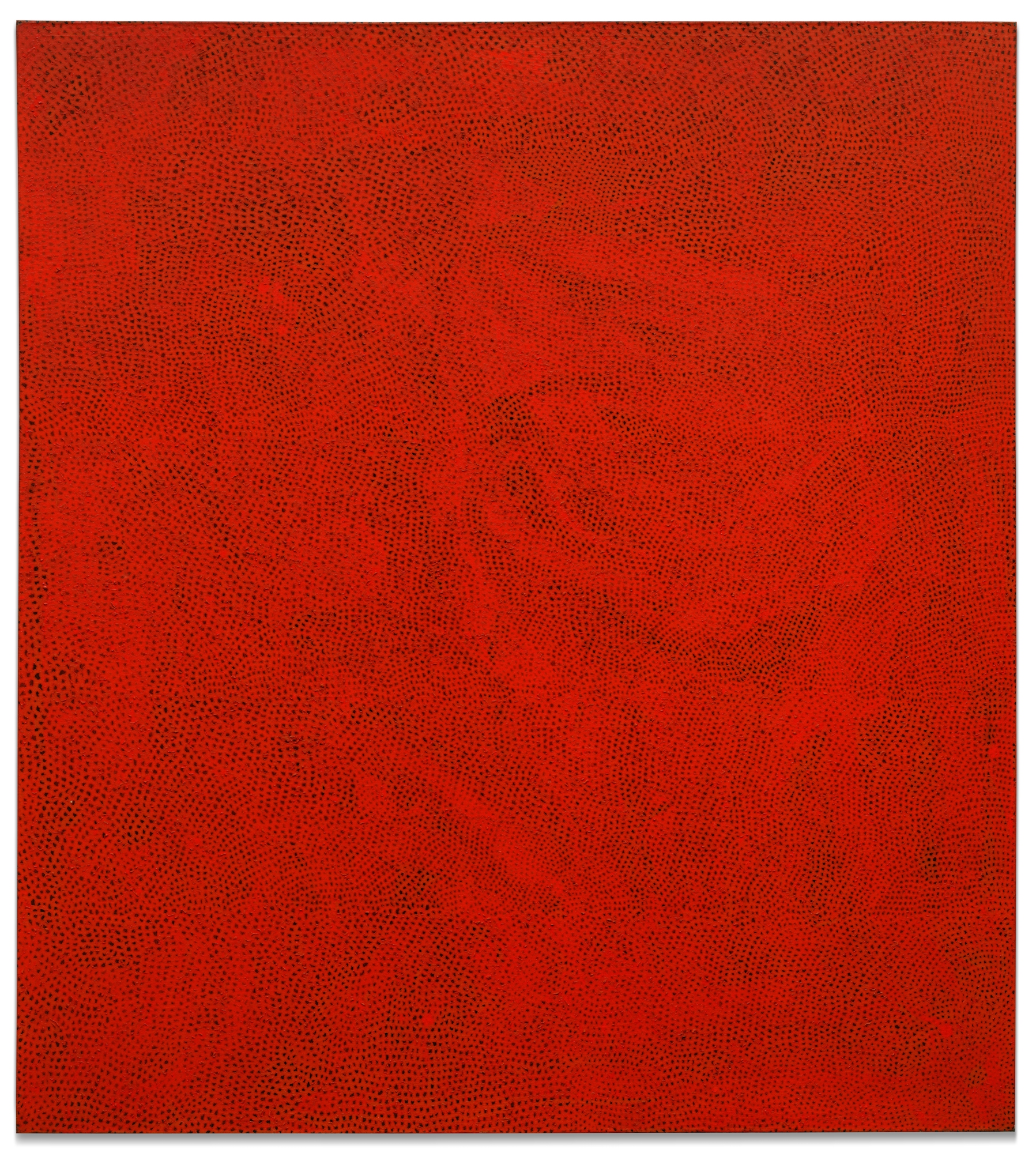
New York’s opening November 2026 evening auctions generated $1.11bn across Christie’s, Sotheby’s and Phillips, with Kandinsky, Kusama and Modigliani among the major results.