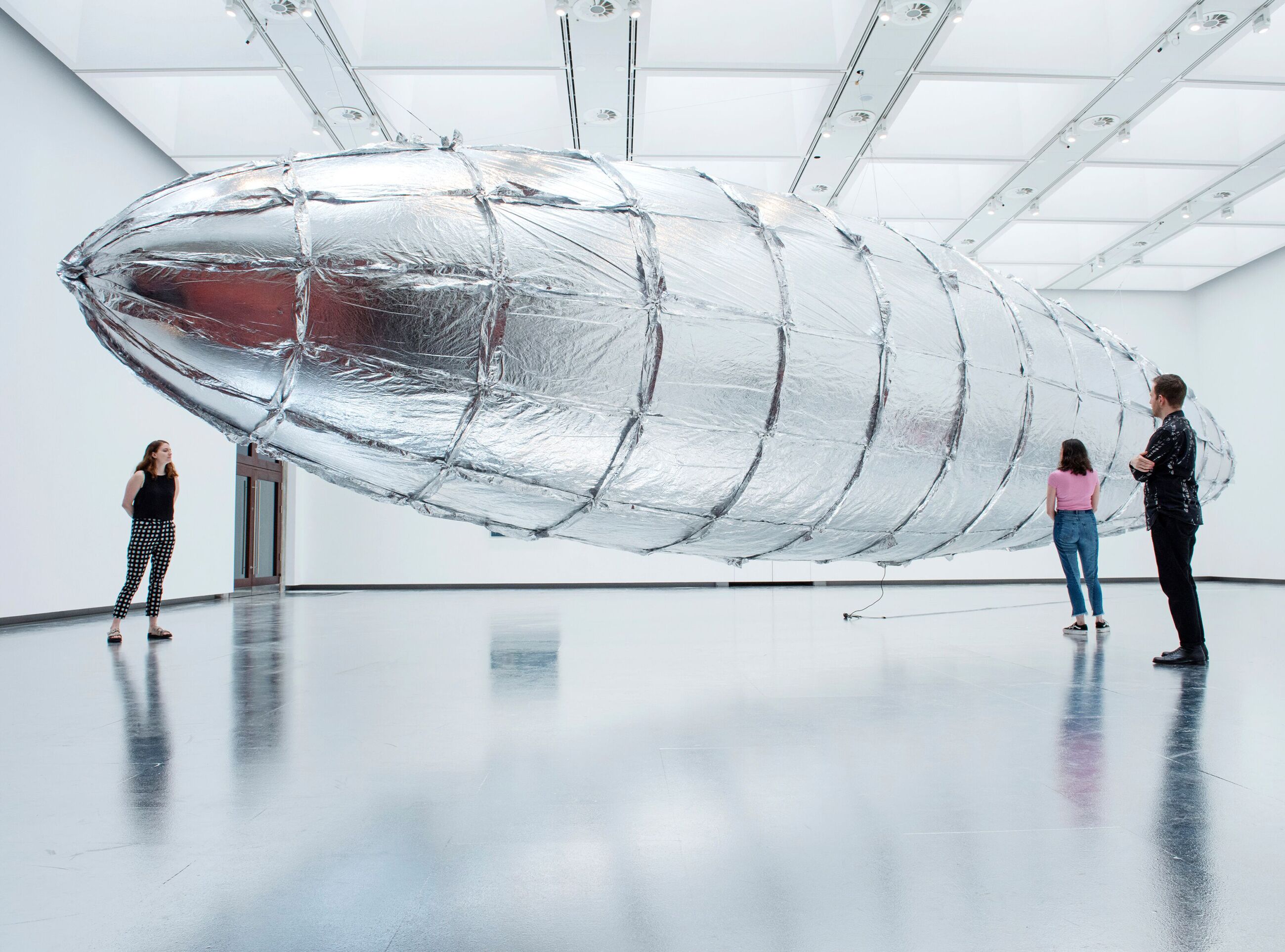
A floating zeppelin, mother-of-pearl surfaces and futuristic ruins make Lee Bul’s first Hauser & Wirth New York exhibition one of September’s strongest shows — and a timely moment to reassess a four-decade practice.
200 Acres of Art: Jorge M. Pérez and the Sculpture Landscape at Snowmass
On 200 acres at Snowmass, Jorge M. Pérez is approaching one hundred outdoor sculptures. The deeper story is how landscape, public access, philanthropy and weather change what a private collection can become.

Most private collections become more concentrated as they grow. Jorge M. Pérez’s latest project does the opposite: it expands until the landscape itself becomes part of the hang.
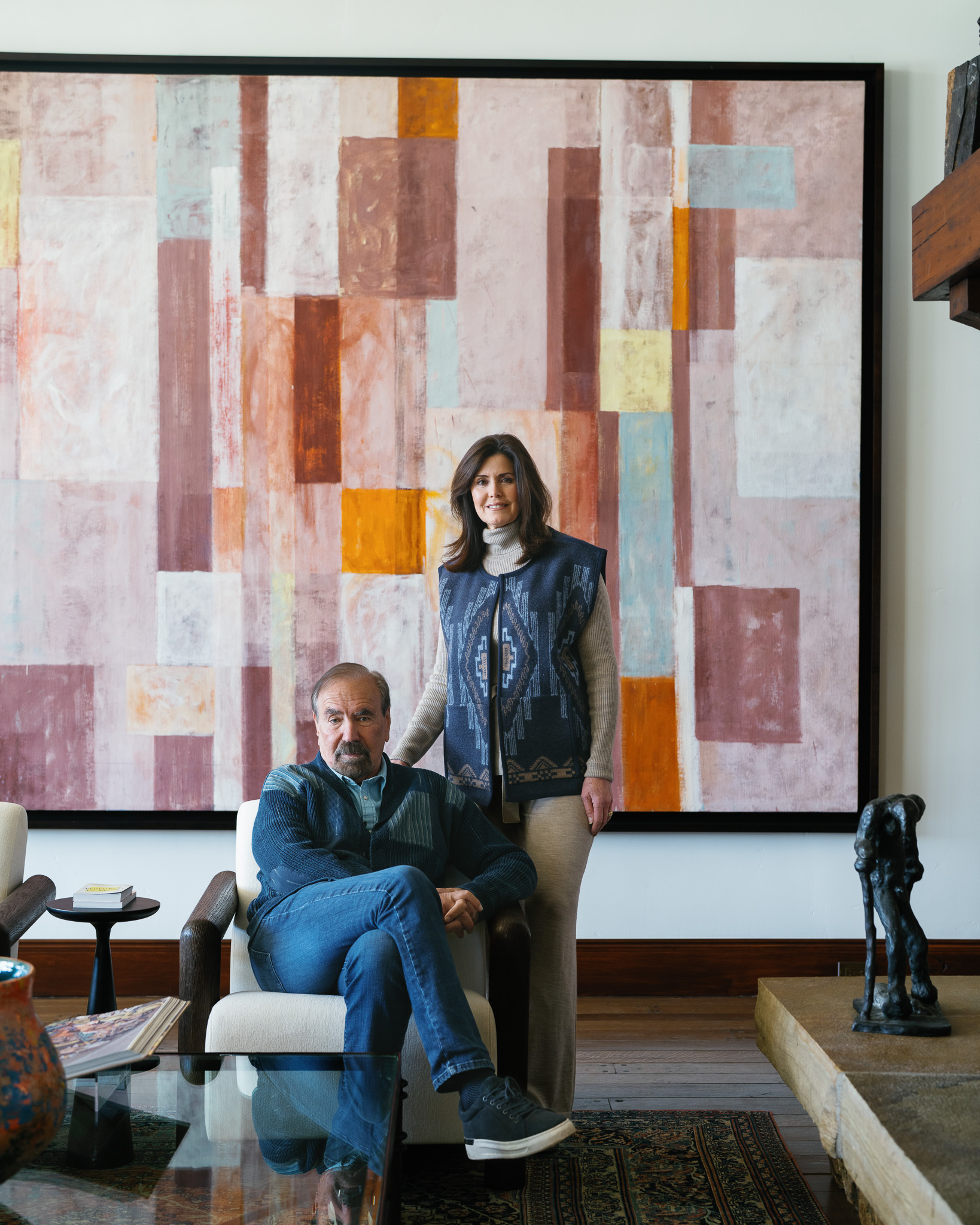
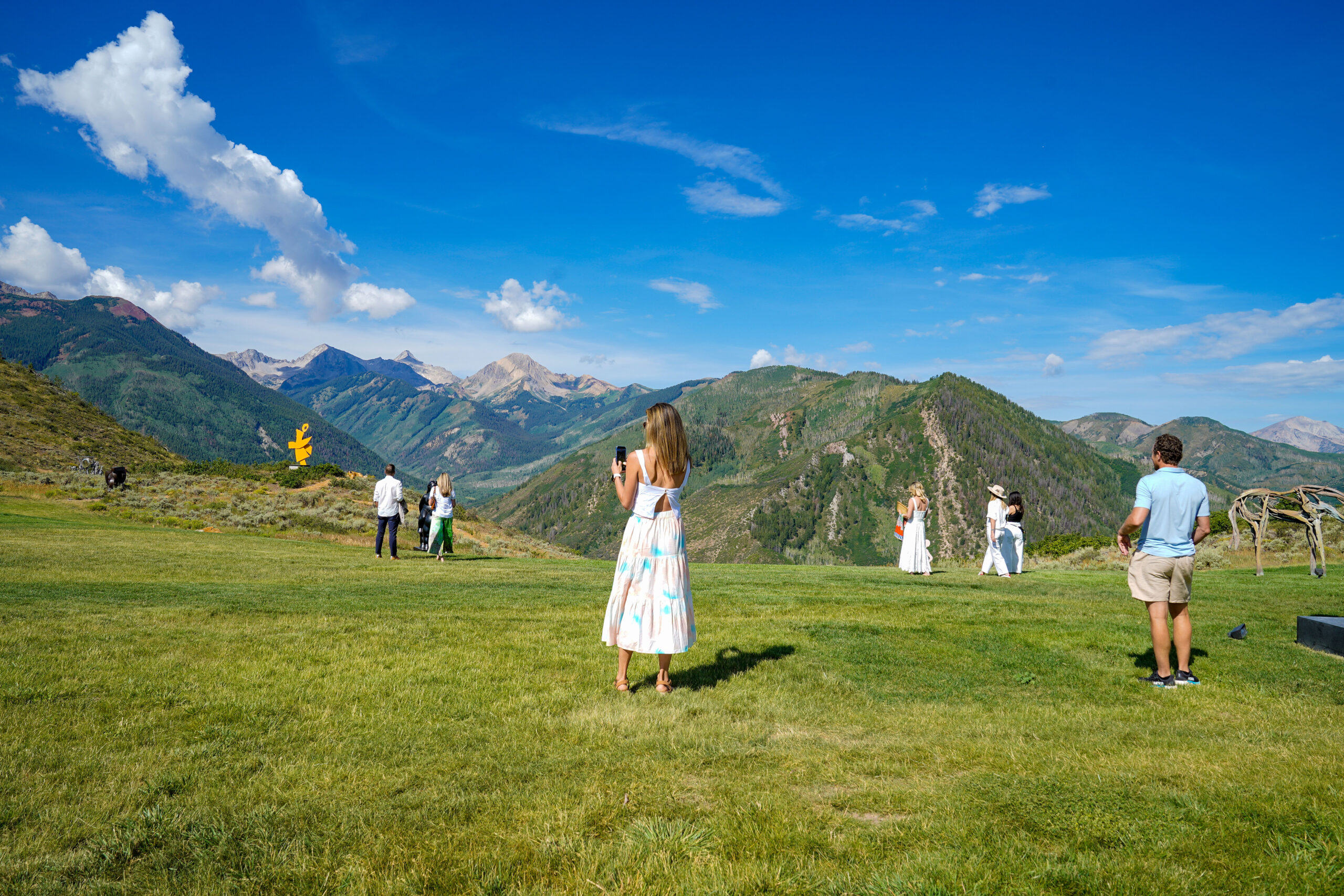
On roughly 200 acres on Snowmass Mountain near Aspen, Pérez and his wife, Darlene, are developing a sculpture environment approaching one hundred works. The property is private, but the garden can be visited by appointment, and a July programme with the Aspen Art Museum offered a rare guided view of a collection usually encountered by invitation rather than ticket.
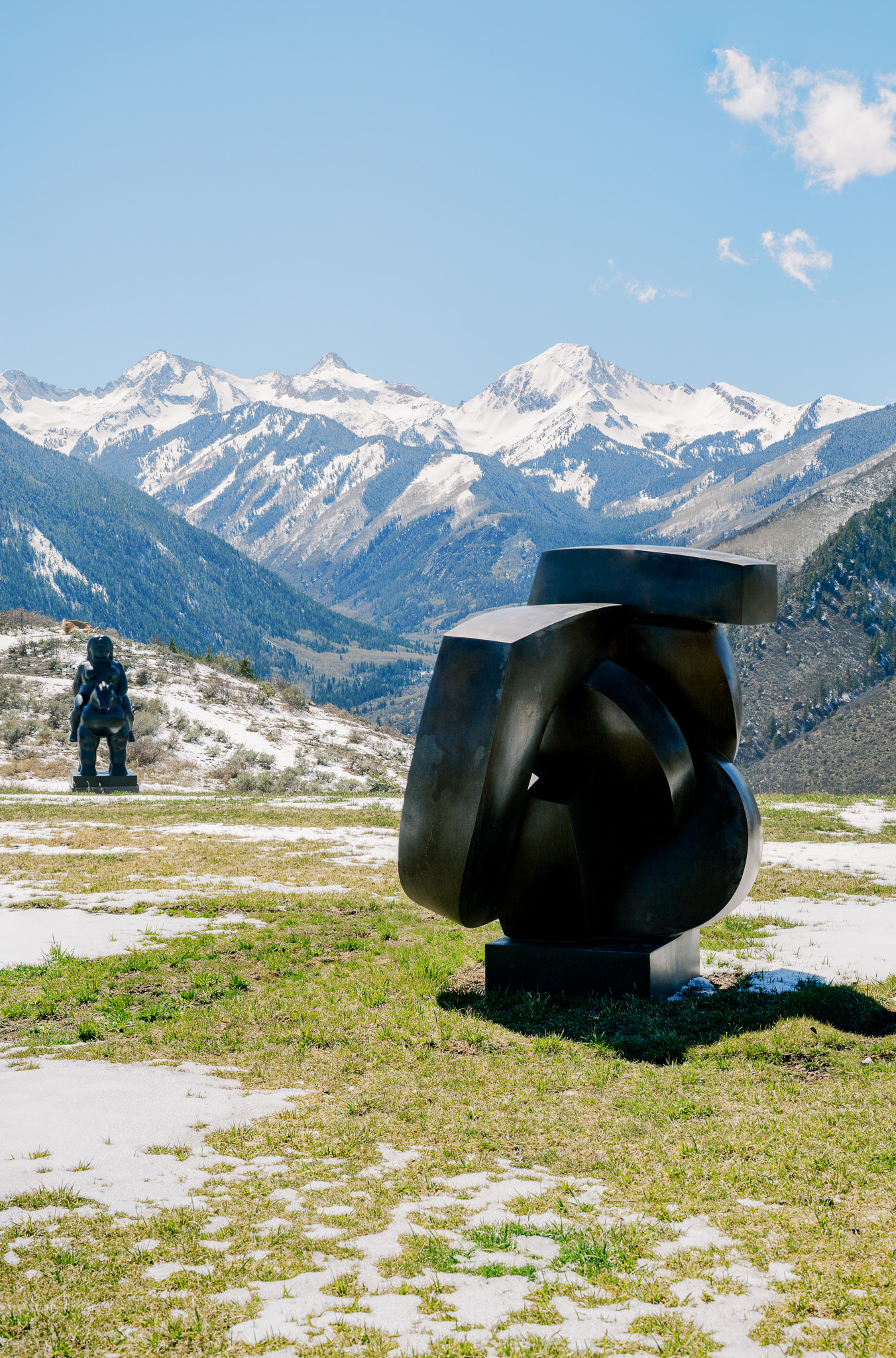
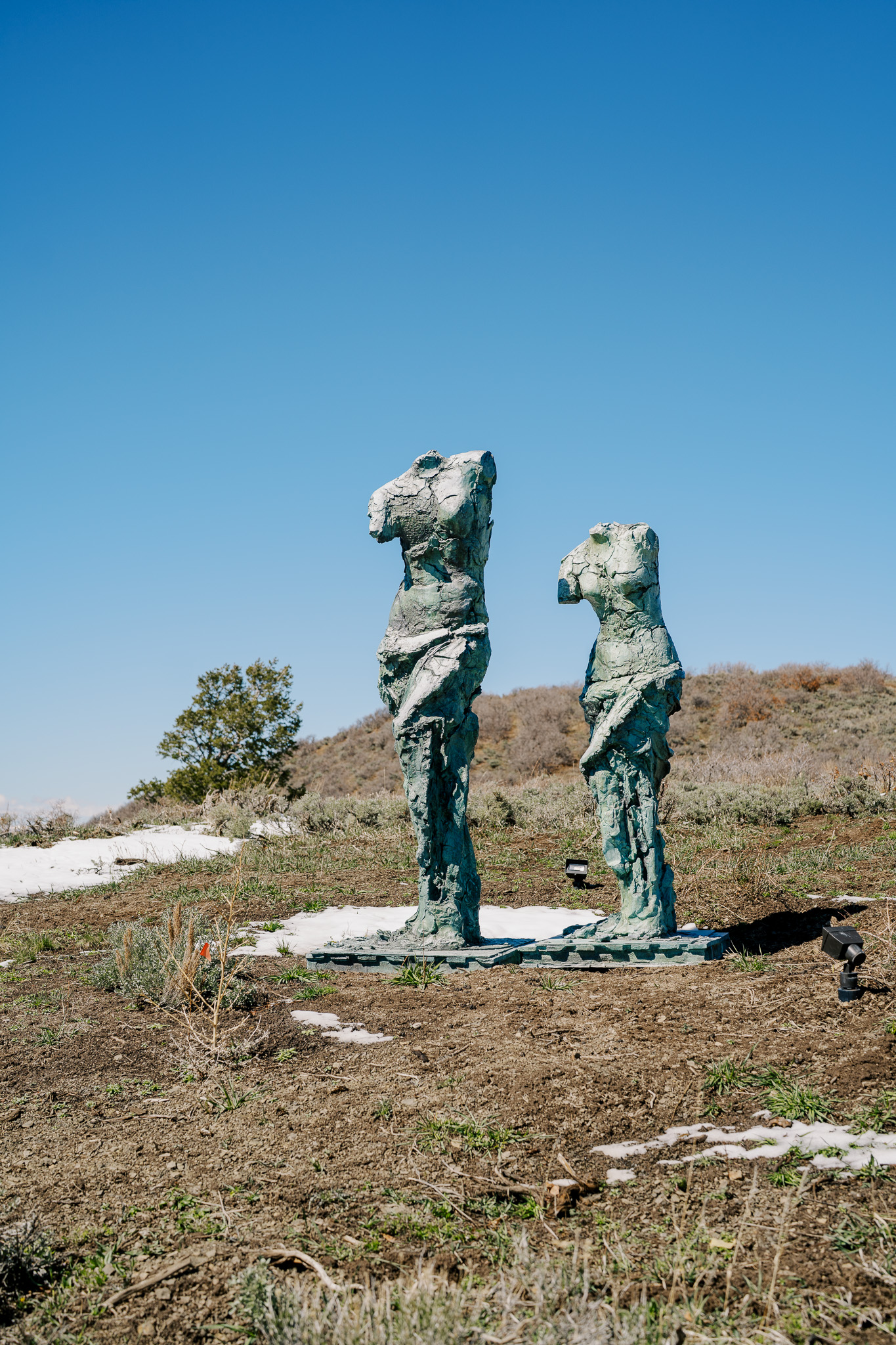
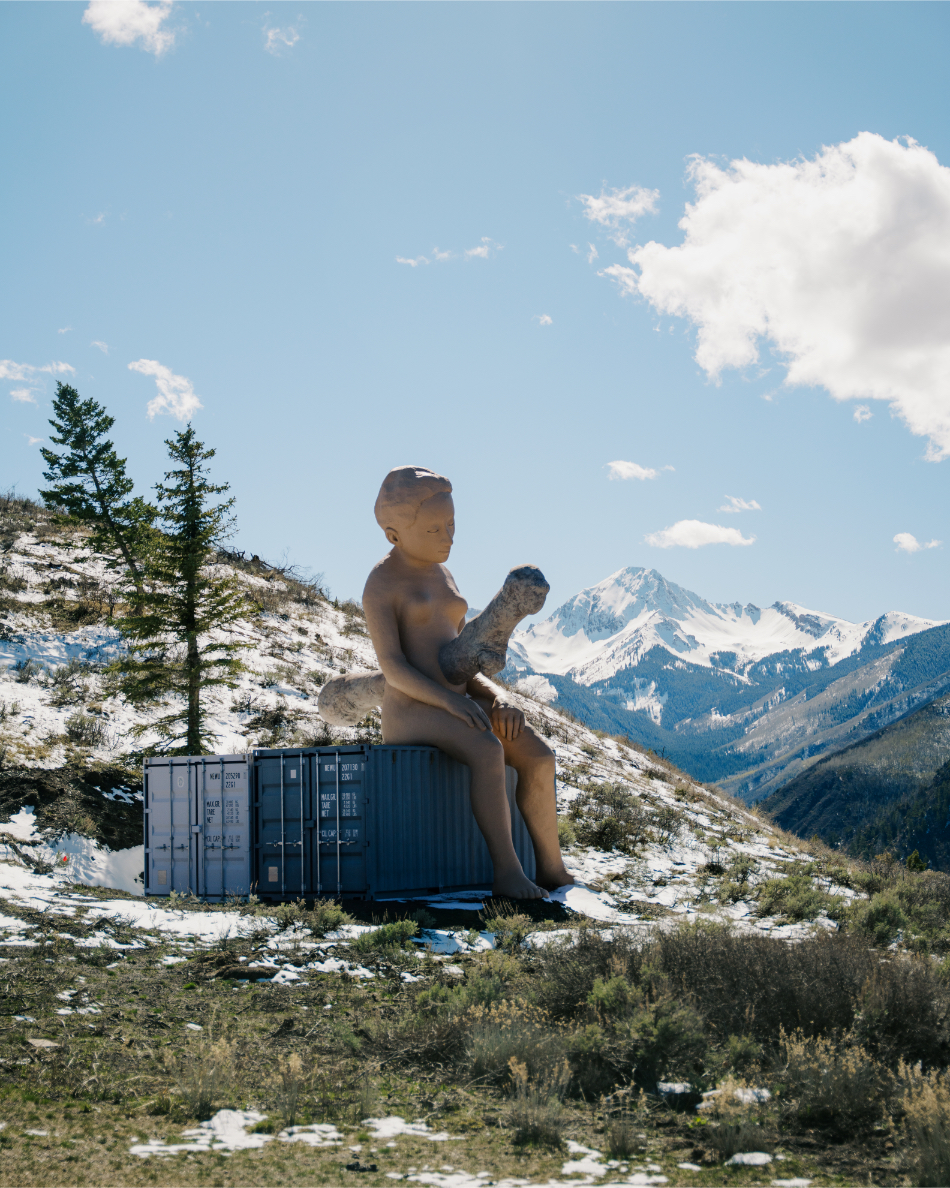
The scale is immediately seductive: Botero and Sophia Vari against snow peaks; Jim Dine figures exposed to weather; works discovered across grass, slope and open sky rather than arranged in a sequence of white rooms. But the more interesting ARTCOLLECTORHOMES story is not that a wealthy collector has enough land for large sculpture. It is how collecting changes when architecture no longer provides the dominant frame.
Pérez has described moving from a smaller Aspen property because he wanted room to walk and encounter sculptures in different locations, “communicating with nature.” That phrase can sound romantic until one considers what it means curatorially. Outdoors, there is no neutral wall. Every object has to negotiate weather, horizon, vegetation, distance, season and the body in motion.

Two hundred acres changes the tempo
Indoor collections encourage compression. A viewer can see ten works in ten minutes if the rooms are close enough. A sculpture landscape makes that impossible. Distance becomes part of looking.
You see a work before you reach it. Scale changes as you approach. A mountain can make a monumental bronze look unexpectedly small; a low sculpture can dominate a ridge because there is nothing nearby competing for attention. The time between objects becomes as important as the objects themselves.
This is one of the great advantages of serious sculpture gardens and one of their least discussed luxuries. Space creates editing pressure. Filling every visible acre would destroy the very experience the land makes possible. The collector has to learn where not to place something.
Pérez’s Snowmass project therefore sits at an interesting point between home, collection, park and cultural infrastructure. It remains an intensely personal environment, yet its scale and emerging access programme push it beyond the conventional definition of a collector’s residence.
A sculpture garden is not a gallery without a roof. The weather, horizon and walk between works are part of the curatorial material.
Landscape is a collaborator—and a ruthless one
The image of Fernando Botero’s Woman on a Horse with Sophia Vari’s Pointe Immobile makes the point beautifully. The works occupy different visual languages: Botero’s expanded human volume and Vari’s concentrated abstract geometry. Yet the mountains behind them prevent either from becoming self-contained.
In a gallery, the wall would define the visual field. At Snowmass, the eye keeps leaving the sculpture. It moves to snow line, cloud, valley and distance, then returns. The art has to withstand comparison with a landscape that has no interest in being tasteful.
That can rescue sculpture from trophy presentation. A large bronze indoors can easily become proof of scale or expenditure. Outdoors, scale becomes relative again. Weather stains surfaces. Snow obscures bases. Shadows lengthen. Vegetation changes colour. A work that looked dominant in July may feel almost absorbed by January.
Collectors building outdoor programmes therefore need a different kind of connoisseurship. Material, patina, drainage, anchoring, freeze-thaw cycles, UV exposure, lightning, irrigation, wildlife and maintenance become part of the collecting decision. The landscape gives sculpture a second life, but it also imposes conditions.

The house still matters because it shows the other Pérez
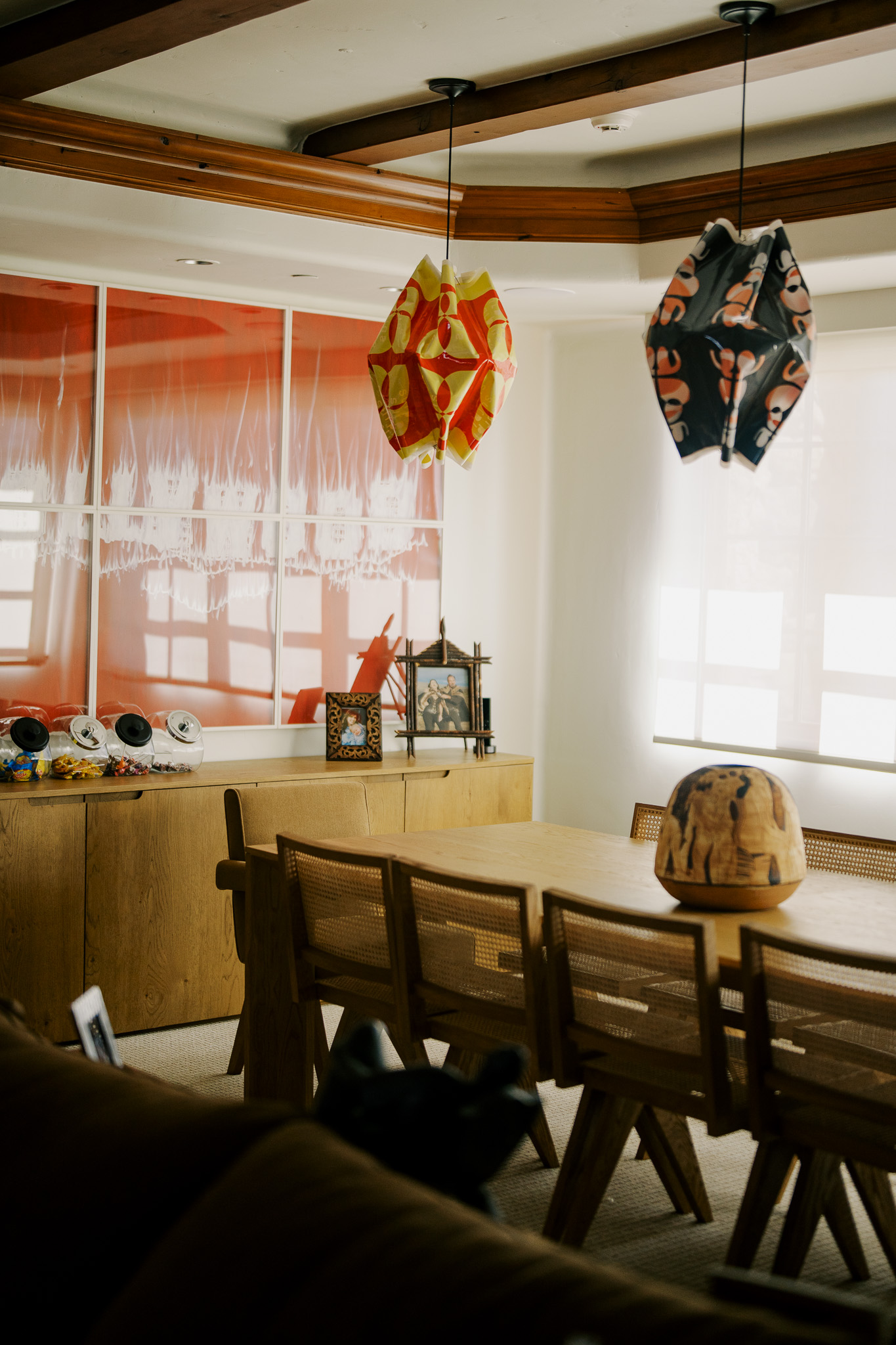
The interior photography is useful precisely because it prevents Snowmass from becoming a story about monumental objects alone. In the dining room, a Gary Simmons work shares space with lamps by Rafael Domenech and Ernesto Oroza and a Viola Frey sculpture. The arrangement is domestic, layered and cross-disciplinary.
This is consistent with Pérez’s broader collecting history. He began with lithographs because they were what he could afford—Man Ray, Marino Marini and Joan Miró among the first works he still remembers. His collection later became strongly identified with Latin American art, partly through an effort to reconnect with roots he felt were becoming distant after settling in the United States.
He has since moved far beyond one geographic category. The Snowmass property includes artists from different generations, nationalities and market positions. What connects the interior and exterior collections is less a style than a collecting appetite.
That appetite is unusually research-heavy. Pérez says he studies art three or four hours a day and, once interested in an artist, tries to understand work across an entire career rather than buying only the recognised period. He consults curators and specialists on major acquisitions, but he also emphasises that advice does not replace his own judgment.
The public-access question changes the meaning of privacy
A collection of this scale inevitably raises a question: who is it for?
Pérez’s answer has never been only domestic. His philanthropy is inseparable from his collecting biography. In Miami, a major gift of art and funds helped reshape the former Miami Art Museum into Pérez Art Museum Miami. He and Darlene continue to make museum gifts, including a Joan Mitchell triptych that Pérez described as a deeply personal favourite from their bedroom before it entered Tate.
In Aspen, the relationship is taking a different form. The Aspen Art Museum announced the Jorge M. & Darlene Pérez Fund for Public Access, a $1 million gift supporting education, public engagement and bilingual programming. The sculpture park, meanwhile, is available by appointment rather than being operated as a conventional public museum.
That hybrid is worth watching. Private museums can become expensive institutional machines. Completely private collections can remain culturally invisible. Appointment-based access, museum partnerships and educational programmes create a middle territory in which a collector can share a place without immediately converting it into a full-time institution.

A collection can leave home without being lost
Pérez’s account of giving away the Joan Mitchell is revealing. He described the work as the one picture in the house that never moved and admitted the gift was emotionally difficult. Yet seeing it in a museum, in dialogue with works such as Rothko, changed the meaning of relinquishing it.
This is a useful counterpoint to the possessive mythology of collecting. A great domestic collection is intimate because works become entangled with daily memory. That intimacy does not have to end in permanent retention. Sometimes the maturity of a collection is visible in what the collector allows to leave.
Snowmass may eventually test this at architectural scale. Pérez has floated the possibility that the house and collection could become some form of artist colony or residency. That idea remains an ambition rather than a fixed institutional plan, but it suggests that the property is already being imagined beyond one generation of private use.
For ARTCOLLECTORHOMES, that is perhaps the most compelling dimension. The best collector homes are not static showcases. They are infrastructures through which art is lived with, studied, lent, given, reinstalled and eventually handed onward.
Why almost one hundred sculptures is not the same as one hundred decisions
Pérez says the Snowmass collection is approaching one hundred sculptures. The number is impressive and also potentially misleading. A landscape does not succeed through inventory count.
Outdoor curation requires relationships across distance. A work may need another object hundreds of metres away to establish rhythm. Some pieces benefit from isolation; others need a cluster to prevent landscape from swallowing them. Sightlines can create accidental pairings long before a viewer physically reaches either work.
Season also produces multiple versions of the same installation. Snow can erase boundaries and make dark sculpture appear graphic. Summer grass can soften bases. Low winter light can create shadows longer than the objects themselves. There is no single “correct” view.
This is why the project is best understood as a living sculpture landscape rather than a finished park. The collection will keep teaching its owners what the land can hold.

The collector’s eye versus the landscape’s eye
Pérez has said he often goes against what is popular, including buying artists before institutional consensus has formed. The landscape may be an unusually good test of that instinct because it removes some of the market cues that make recognition easy.
Outside, there is no booth label. No auction estimate. No adjacent trophy painting. A sculpture either creates a convincing relationship with its site or it does not. Fame can add context, but it cannot manufacture physical presence.
That can make a private sculpture garden a serious laboratory for connoisseurship. Repeated looking over years reveals which works keep changing with light and season, which command distance, which become too decorative, and which initially quiet pieces gain authority.
The lesson translates back indoors. Living with art is an extended form of due diligence. A fair or gallery offers minutes; a home offers years. Snowmass simply stretches that duration across land.
Collector / Home Notes
Property: approximately 200 acres on Snowmass Mountain near Aspen.
Collection: Pérez said in 2026 that the outdoor installation was approaching one hundred sculptures.
Access: the sculpture landscape is private but accessible by appointment; Aspen Art Museum has collaborated on special visits.
Public programme: the Jorge M. & Darlene Pérez Fund for Public Access supports Aspen Art Museum education, engagement and bilingual programming.
Outdoor collecting: material durability, foundations, drainage, weather, UV, freeze-thaw cycles, maintenance and conservation access should be considered before siting major sculpture.
Long view: Pérez has discussed a future in which the house and collection might support artists through a residency or colony model; treat this as an aspiration rather than a finalised institution.
It is easy to describe Snowmass as a private sculpture park. The more interesting description may be a collector’s landscape: a place where ownership, environment and public purpose are being negotiated in real time. Two hundred acres gives art room to breathe. It also gives the collection nowhere to hide.
On 200 acres at Snowmass, Jorge M. Pérez is approaching one hundred outdoor sculptures. The deeper story is how landscape, public access, philanthropy and weather change what a private collection can become.
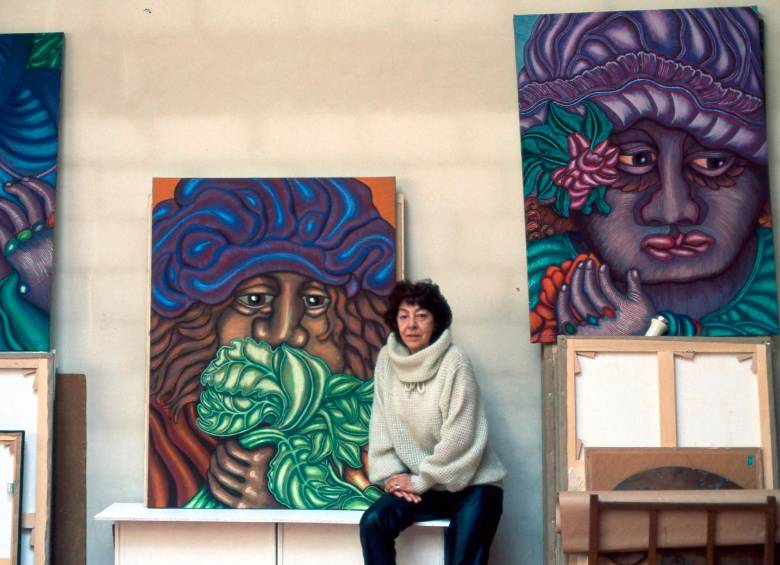
White Cube presents the first UK solo exhibition of Emma Reyes, bringing six decades of intensely patterned painting into a market that is only beginning to catch up with her work. The real story is scholarship, not hype.