LATEST NEWS:
Jenny Holzer & Andy Goldsworthy win 2026 Praemium Imperiale • €9m Renoir museum heist in France • Dimitris Daskalopoulos donates 51 works to museums in Greece & Scotland • Artist Lucien Smith dies aged 37 • Faro Santander opens with 1,000-work collection • Argentina orders return of Nazi-looted Old Master • Greece rejects Parthenon Marbles loan request • Smithsonian chief Lonnie Bunch announces retirement
Go Back
Magazine

Ettore Sottsass in Tokyo: When Furniture Stops Behaving Like Furniture

Japan’s first major Sottsass retrospective brings more than 100 works to Tokyo and shows why serious design collecting begins with more than appearance: production, provenance and domestic context matter.

Exhibitions
Exhibitions
Ettore Sottsass in Tokyo: When Furniture Stops Behaving Like Furniture

Ettore Sottsass in Tokyo: When Furniture Stops Behaving Like Furniture

Japan’s first major Sottsass retrospective brings more than 100 works to the Artizon Museum. For collectors, it is a guide to the moment furniture became sculpture, image and provocation—and to the provenance questions that matter when buying design.

A design exhibition collectors should treat like an art exhibition

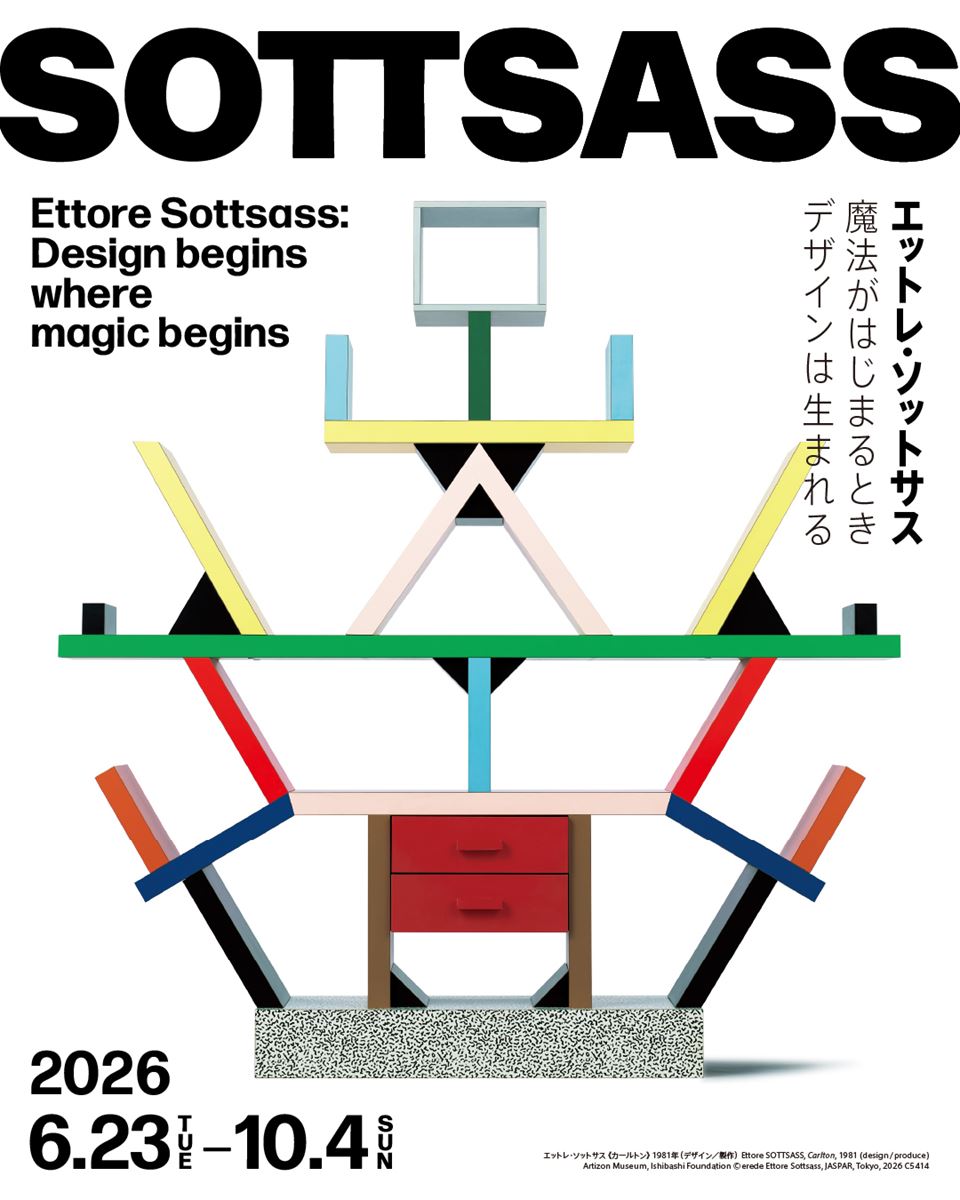
The Artizon Museum in Tokyo has made an unusually useful institutional gesture: its first design-focused exhibition is devoted to Ettore Sottsass. Design Begins Where Magic Begins, on view through 4 October, is also Japan’s first major Sottsass retrospective and presents more than 100 works drawn primarily from the Ishibashi Foundation collection.

For ARTCOLLECTORHOMES, the significance is immediate. Sottsass is one of the figures who made it impossible to maintain a comfortable division between useful furniture and autonomous art. A Carlton room divider can hold books, but utility is almost beside the point. It behaves as architecture, sculpture, colour field and cultural provocation simultaneously.

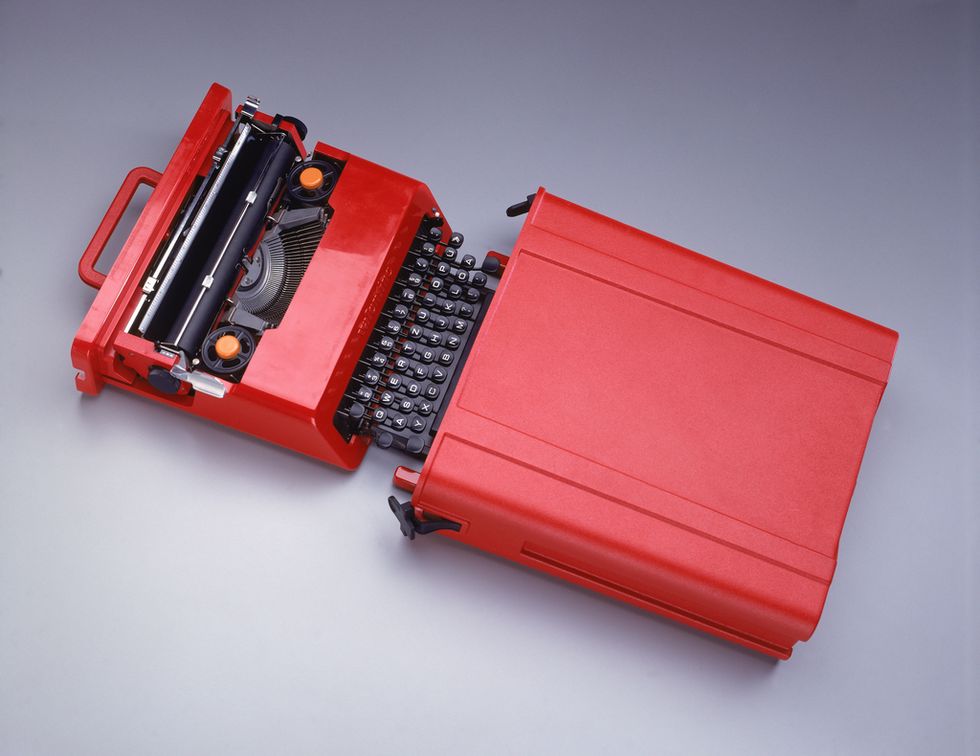
Olivetti Valentine typewriter designed by Ettore Sottsass and Perry King
The Olivetti Valentine, designed by Ettore Sottsass and Perry King in 1969, turned a portable typewriter into an object with unmistakable visual personality. Contextual photograph via Design Street. Product design © relevant rightsholders;

Before Memphis, a much longer argument

The popular version of Sottsass begins in 1981 with Memphis: laminates, clashing colours, totemic shelves and an almost theatrical rejection of tasteful modernism. The Artizon exhibition is valuable because it restores the decades before that explosion.

From the 1950s, Sottsass worked with Olivetti and Poltronova, designing objects that could be industrially produced without surrendering personality. The red Valentine typewriter, developed with Perry King in 1969, remains one of the clearest examples. It was portable, practical and mass-produced, yet it announced itself in a room with the confidence of a sculpture. The design’s cultural afterlife demonstrates that collectability often begins when an everyday object becomes more memorable than its function requires.

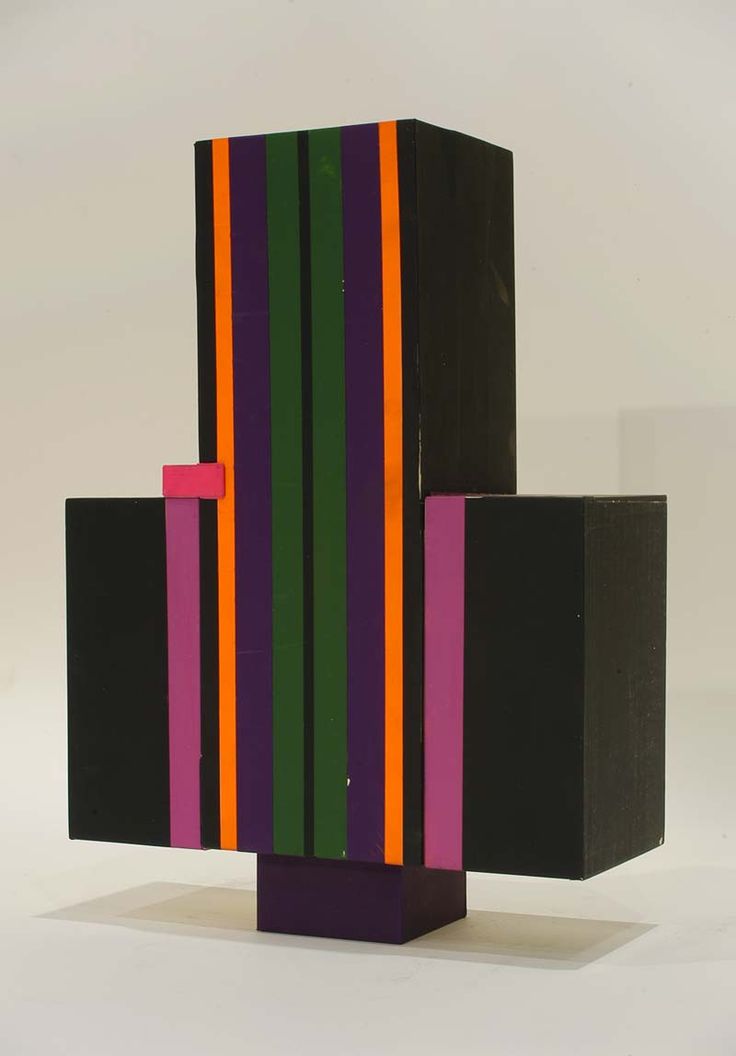
Ettore Sottsass Superbox for Poltronova
Sottsass’s Superbox works for Poltronova already treated furniture as a charged visual sign long before Memphis. Contextual photograph via Pamono. © Erede Ettore Sottsass / Poltronova

When furniture refuses good behaviour

Sottsass distrusted the idea that rational improvement was the only legitimate goal of design. The phrase that gives the exhibition its title comes from his own thinking in the early 1960s: design, for him, could begin where purely rational processes ended and something closer to magic began.

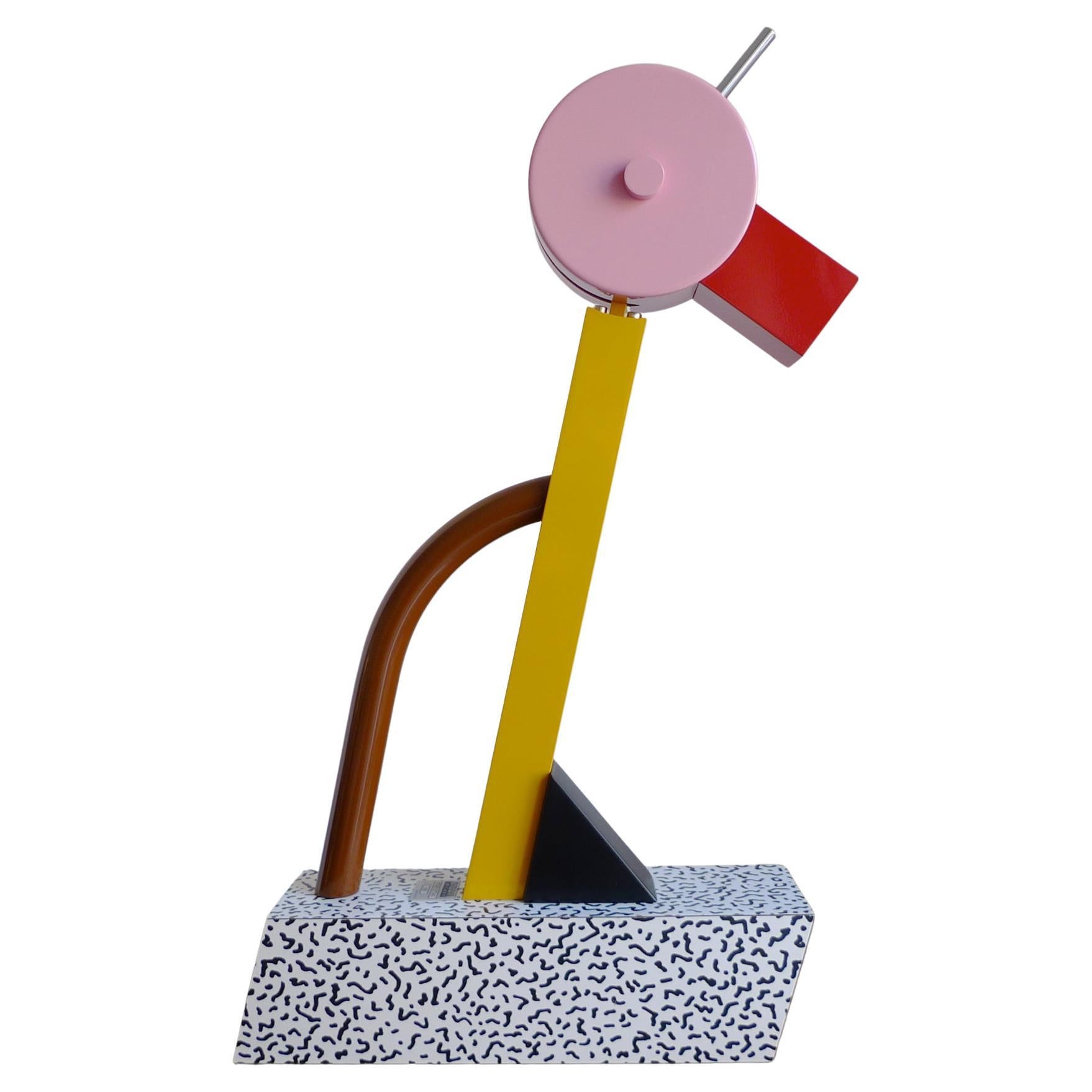
That proposition helps explain Memphis. The group’s furniture was not trying to become the neutral background for refined living. It used pattern, laminate, asymmetry and improbable colour to interrupt the room. In the most successful pieces, the object changes the behaviour of everything around it. Put a Carlton against a wall and the wall is no longer passive. Put a Tahiti lamp on a table and the table becomes a stage.

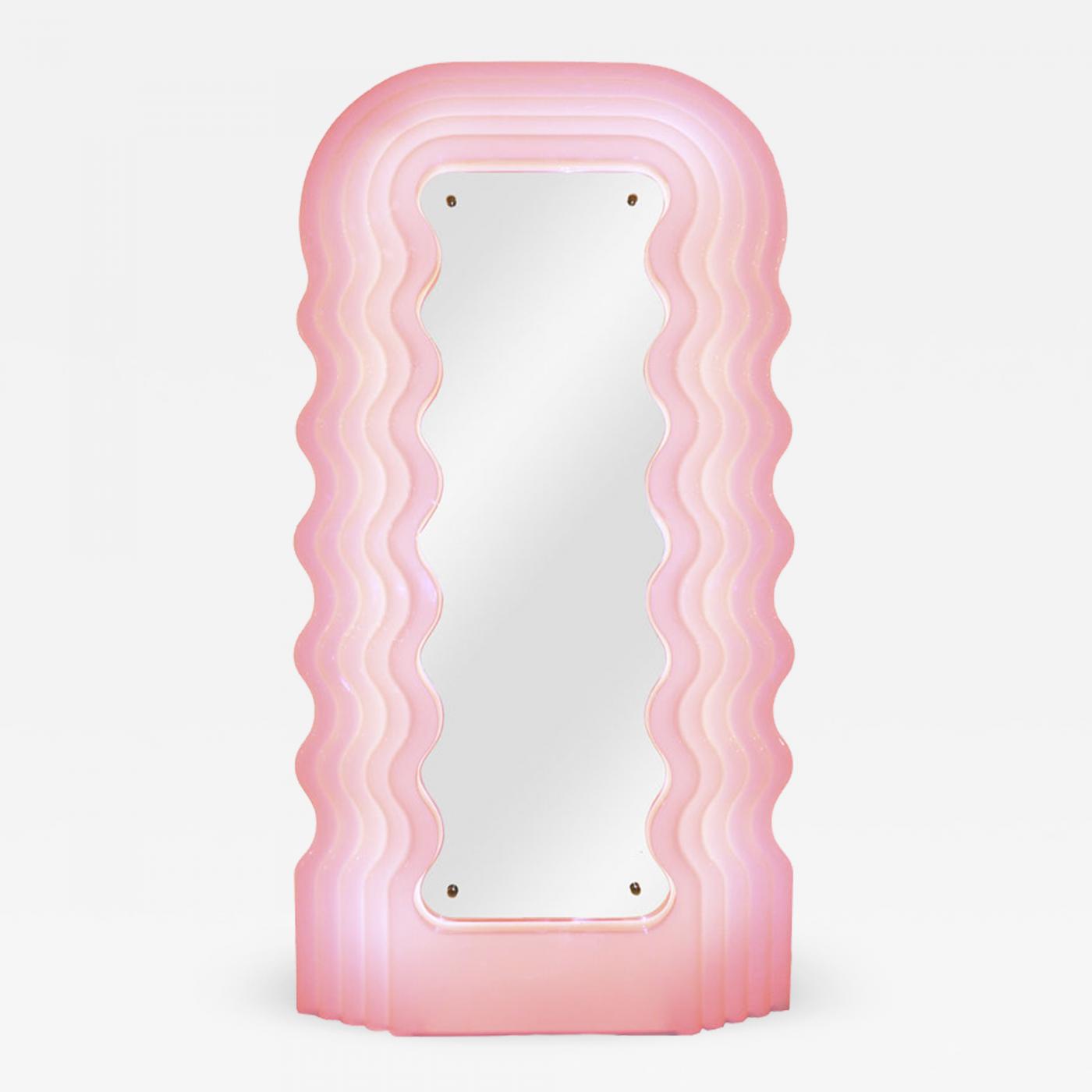
Ettore Sottsass Ultrafragola mirror
The Ultrafragola mirror, designed for Poltronova in 1970, shows how Sottsass could turn domestic function into atmosphere and image. Contextual photograph via Incollect. © Erede Ettore Sottsass / Poltronova

The collector problem: edition, production and provenance

Collecting Sottsass requires a different kind of connoisseurship from collecting a painting. Design objects may exist in editions, licensed reissues and later production runs. Materials can change. Manufacturers matter. Labels, documentation, dimensions and construction details can separate an early example from a much later authorised production.

That does not mean later production is inherently inferior. It means the collector must know what is being bought. A 1980s Memphis object, a contemporary authorised Memphis Milano edition and an unattributed 'Memphis-style' piece are three different propositions even when a photograph makes them look superficially similar. Provenance in collectible design is therefore not bureaucratic paperwork; it is part of the object.

Ettore Sottsass Tahiti lamp for Memphis Milano
Ettore Sottsass, Tahiti lamp, 1981. Memphis deliberately made the domestic object impossible to ignore. Marketplace photograph via 1stDibs. © Erede Ettore Sottsass / Memphis Milano;

How to live with radical design

The best reason to revisit Sottsass now is not that Memphis is fashionable again. It is that the white-cube model of the collector home is losing its monopoly. Rooms are becoming richer, more layered and more willing to let furniture carry visual weight equal to art.

Sottsass rewards that confidence but punishes timidity. His strongest pieces are not accessories. They alter sight lines, introduce rhythm and make other objects declare themselves more clearly. For collectors, that is the pleasure and the challenge: a radical design object cannot simply be added to a room. The room has to negotiate with it.

Collector Notes

Exhibition: Ettore Sottsass: Design Begins Where Magic Begins, Artizon Museum, Tokyo, 23 June–4 October 2026.

‍Scale: more than 100 works, principally from the Ishibashi Foundation collection.

‍Collector lens: establish manufacturer, production date, edition/reissue status, labels and provenance; do not treat every authorised later production as identical to an early example.

Date
Sep 11, 2026
Share

Latest Posts

Maxwell Stevens: Surfside — Time, Leisure and the Social Theatre of the Beach

Three years after ARTCOLLECTORNEWS first spoke with Maxwell Stevens about Last Days of Summer, the New York painter has returned to the beach. But in Surfside, the setting has become less a backdrop than a social and psychological stage. The new paintings bring swimmers, surfers, couples, families and groups of friends into close proximity along the North Atlantic coast of Long Island. Stevens renders these figures with an almost portrait-like concentration before disrupting them with broad smears, calligraphic strokes, impasto and flashes of cobalt, turquoise and aqua.

September 25, 2026
Exhibitions
Exhibitions
Tala Madani’s Control X: Why Painting Needs Things to Go Wrong

Tala Madani’s new paintings and animations turn cutting, erasure and reconstruction into a language of power. Using fresh artist testimony alongside the exhibition material, we examine why the work is funniest when control starts to fail.

September 24, 2026
Exhibitions
Exhibitions
Inma Barrero’s MOTHERS: Ceramics, Repair and the Sculptural Life of Beads

Eight new sculptures turn handmade ceramic beads, soils from three countries and metal stitching into a chorus of maternal forms—an exhibition where repair becomes structure rather than correction.