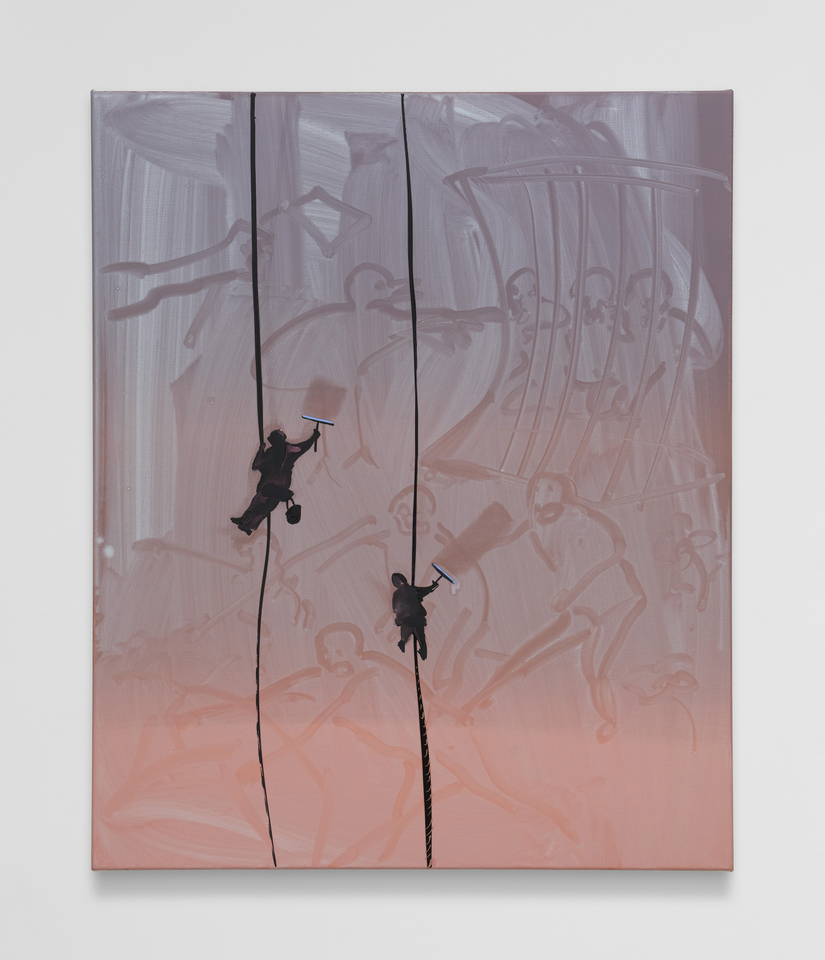
Tala Madani’s new paintings and animations turn cutting, erasure and reconstruction into a language of power. Using fresh artist testimony alongside the exhibition material, we examine why the work is funniest when control starts to fail.
Inma Barrero’s MOTHERS: Ceramics, Repair and the Sculptural Life of Beads
Eight new sculptures turn handmade ceramic beads, soils from three countries and metal stitching into a chorus of maternal forms—an exhibition where repair becomes structure rather than correction.

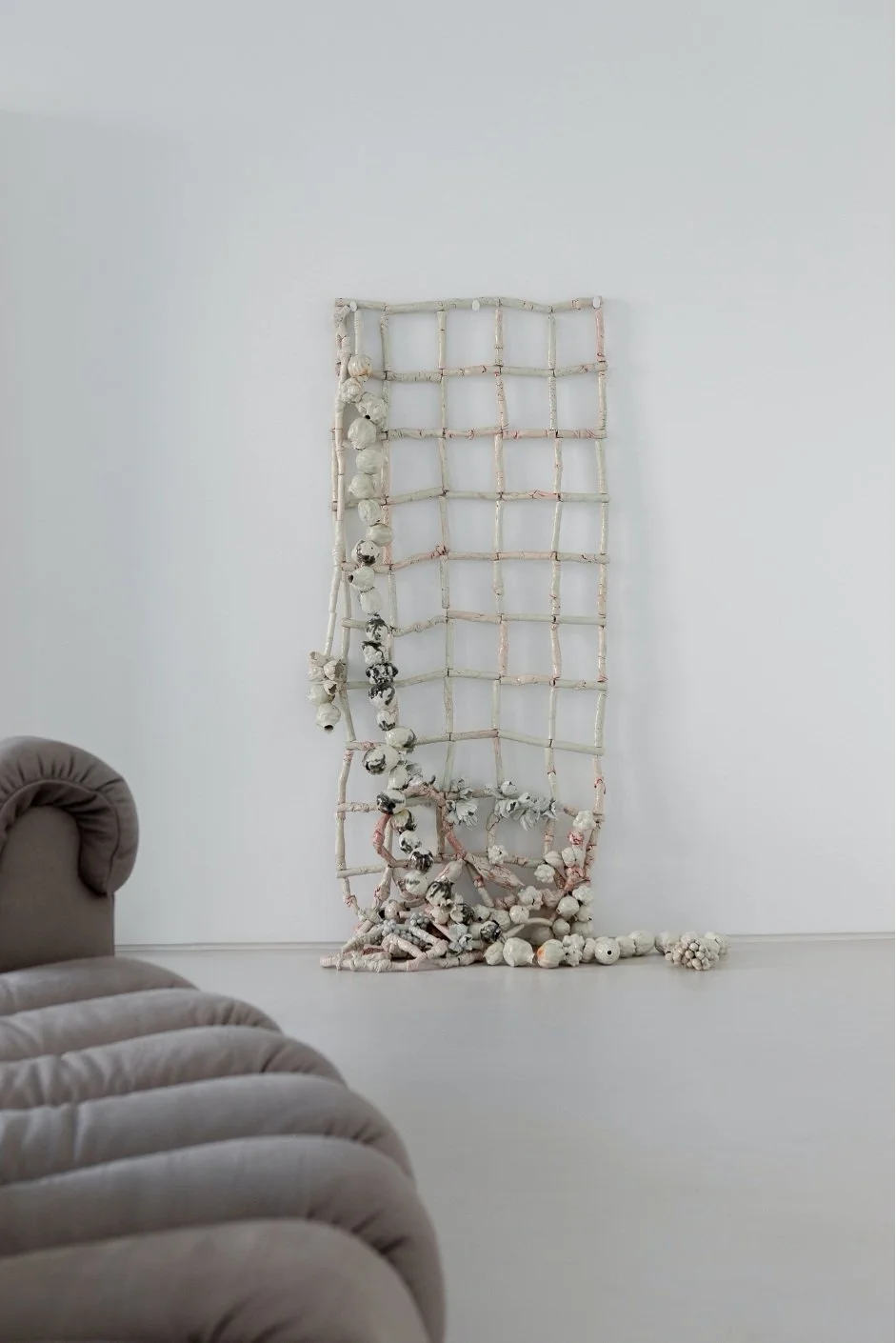
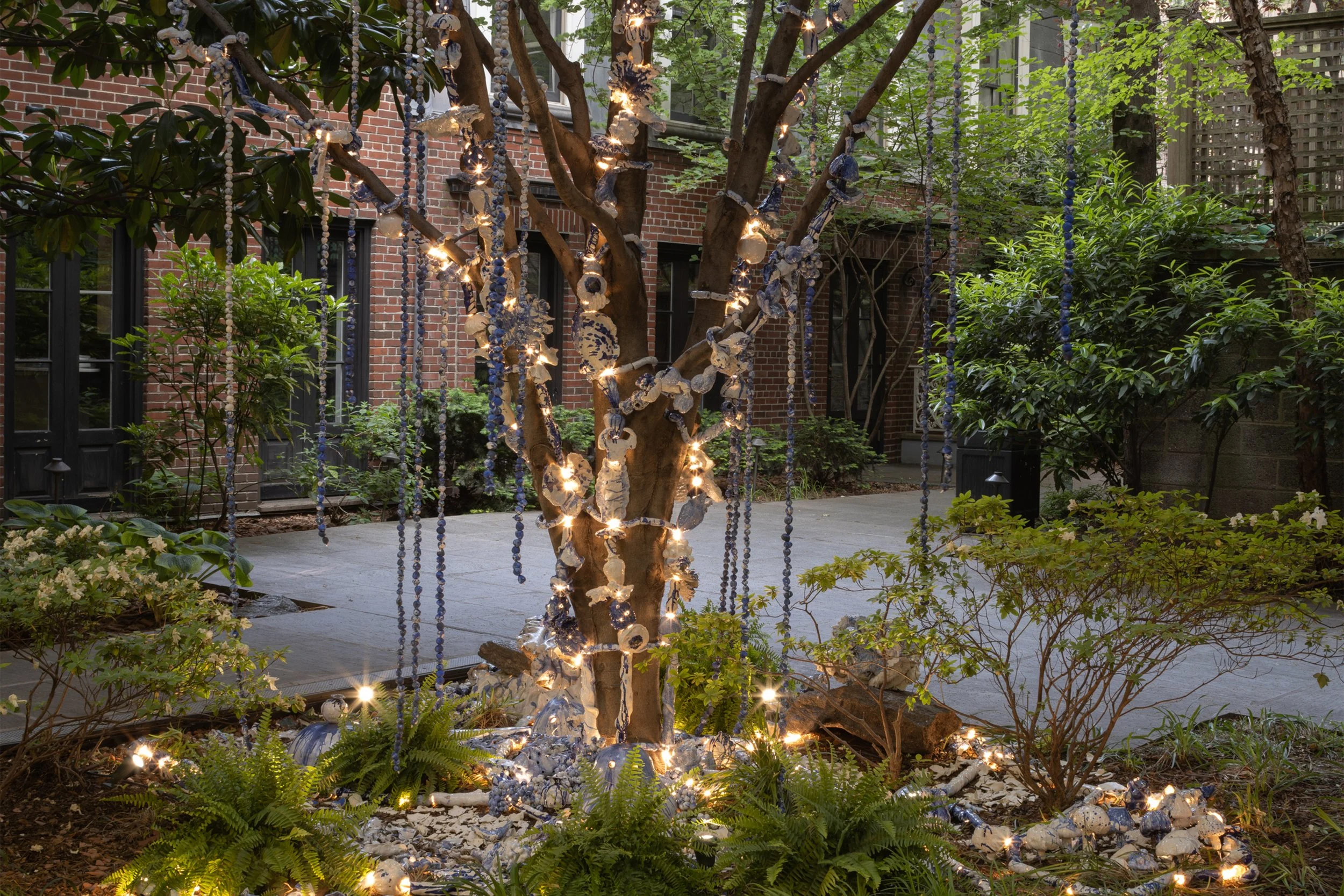
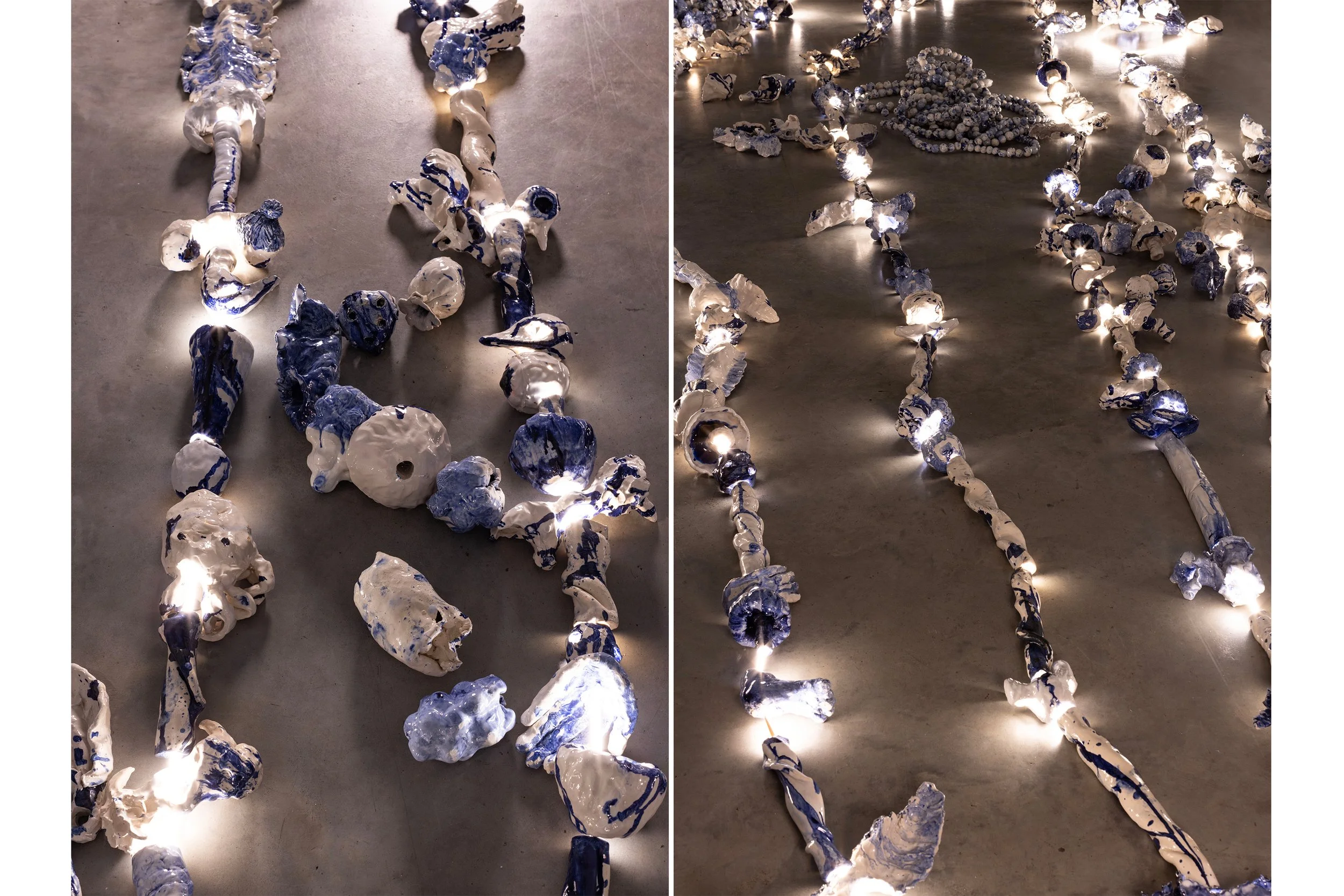
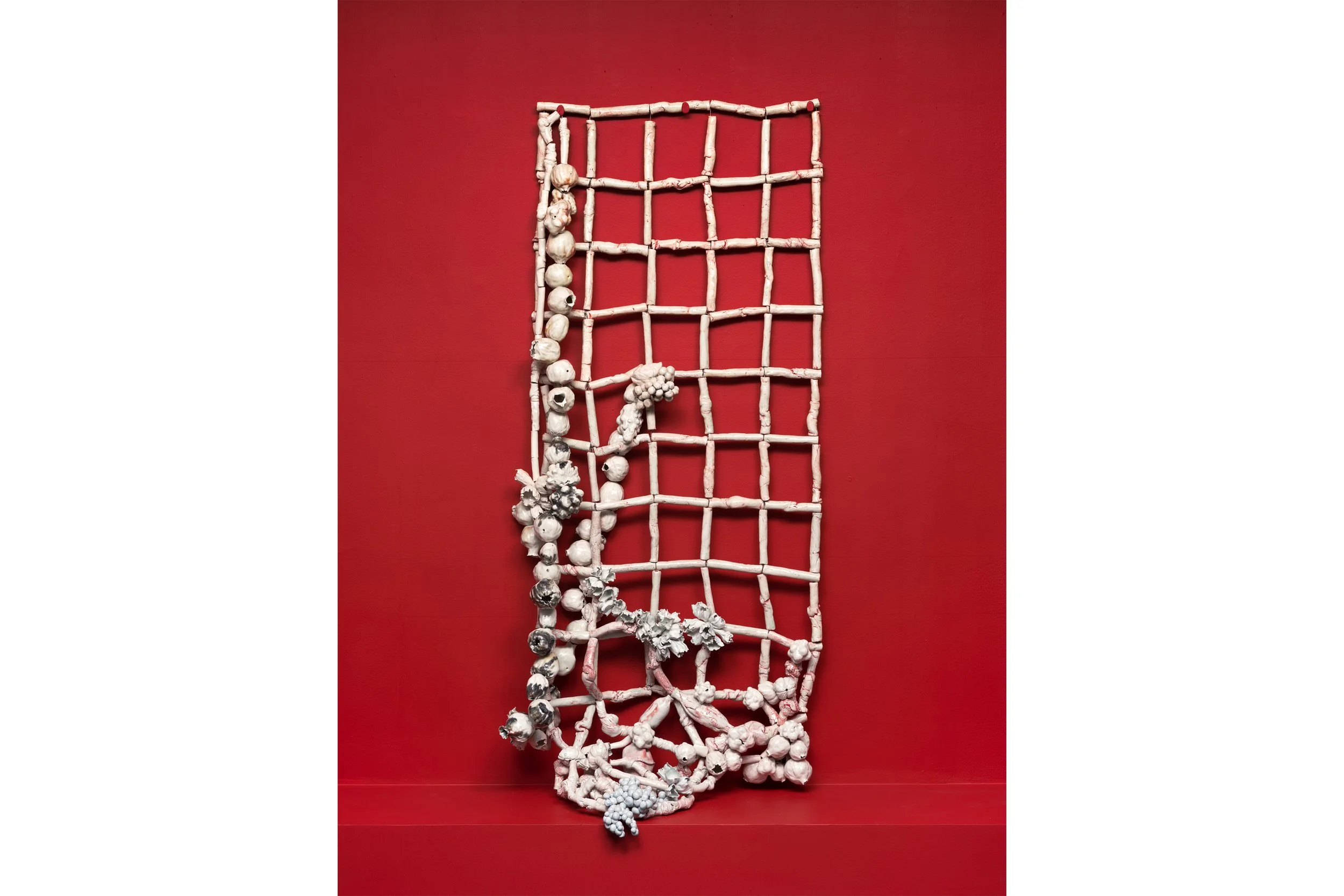
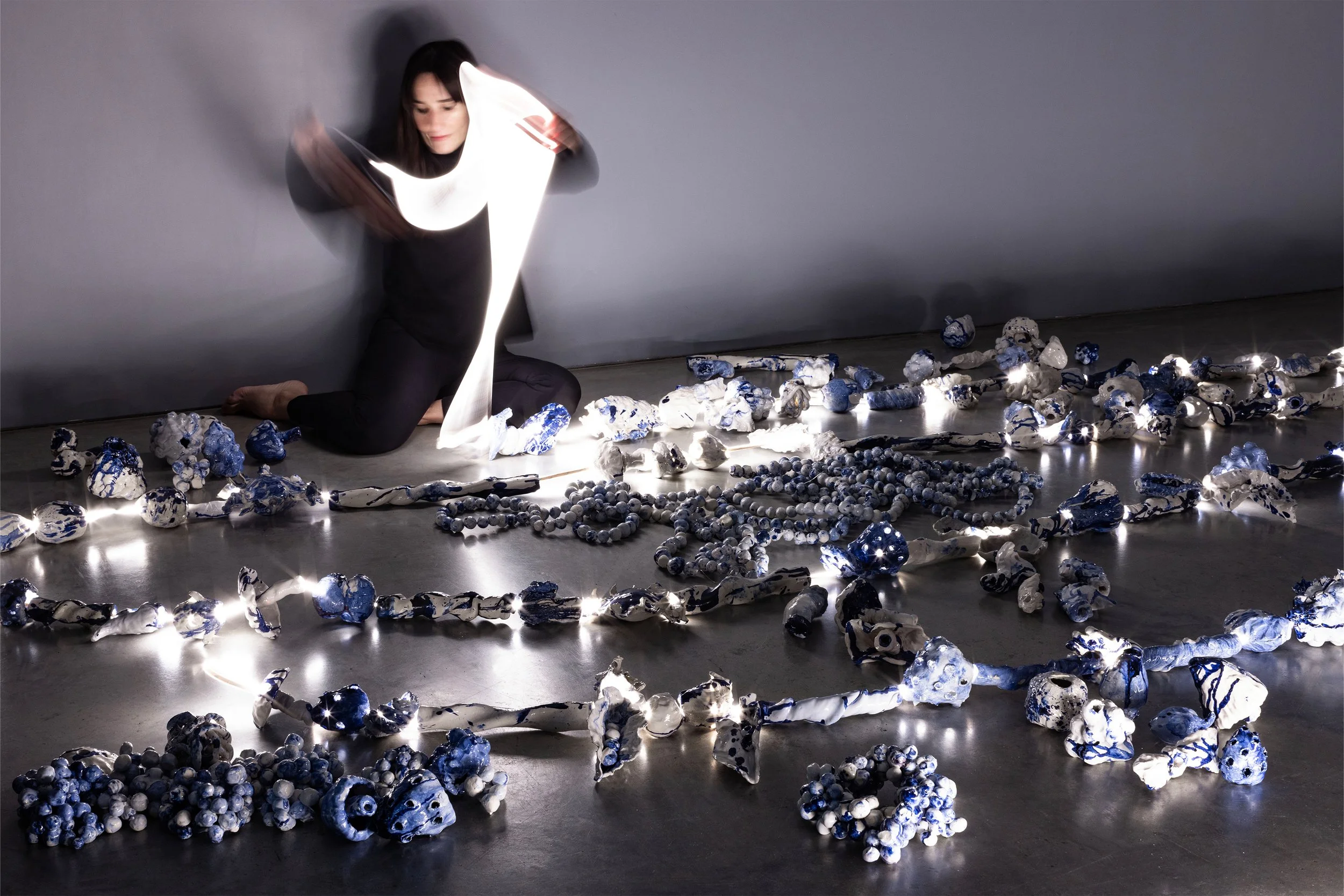
Inma Barrero’s new exhibition begins with a small unit: the handmade ceramic bead. Hundreds of those beads are joined into each of the eight large-scale sculptures in MOTHERS, opening at Lévy Gorvy Dayan in New York on 17 September. The result is sculpture that feels simultaneously monumental and intimate—built from repeated acts of touch, firing, threading and repair.
This is Barrero’s first exhibition with the gallery, and all eight sculptures are being shown for the first time. Each represents a different maternal presence informed by prehistoric, ancient and modern sources. Together, Barrero has described them as a chorus: figures that answer and witness one another across the gallery.
For ARTCOLLECTORHOMES, the interest lies partly in how these works collapse distinctions between sculpture, ritual object and material culture. They are not furniture and they are not decorative ceramics, yet they carry the tactile and domestic associations of objects that have been handled, mended, inherited and kept close.
The bead as sculpture’s smallest architecture

Barrero’s bead language comes from several traditions without pretending they are interchangeable. She has cited her grandmother’s rosary, Greek komboloi and Buddhist prayer beads encountered while living and working in Kyoto. In each case, repetition allows an object to be handled over time; meaning accumulates through contact.
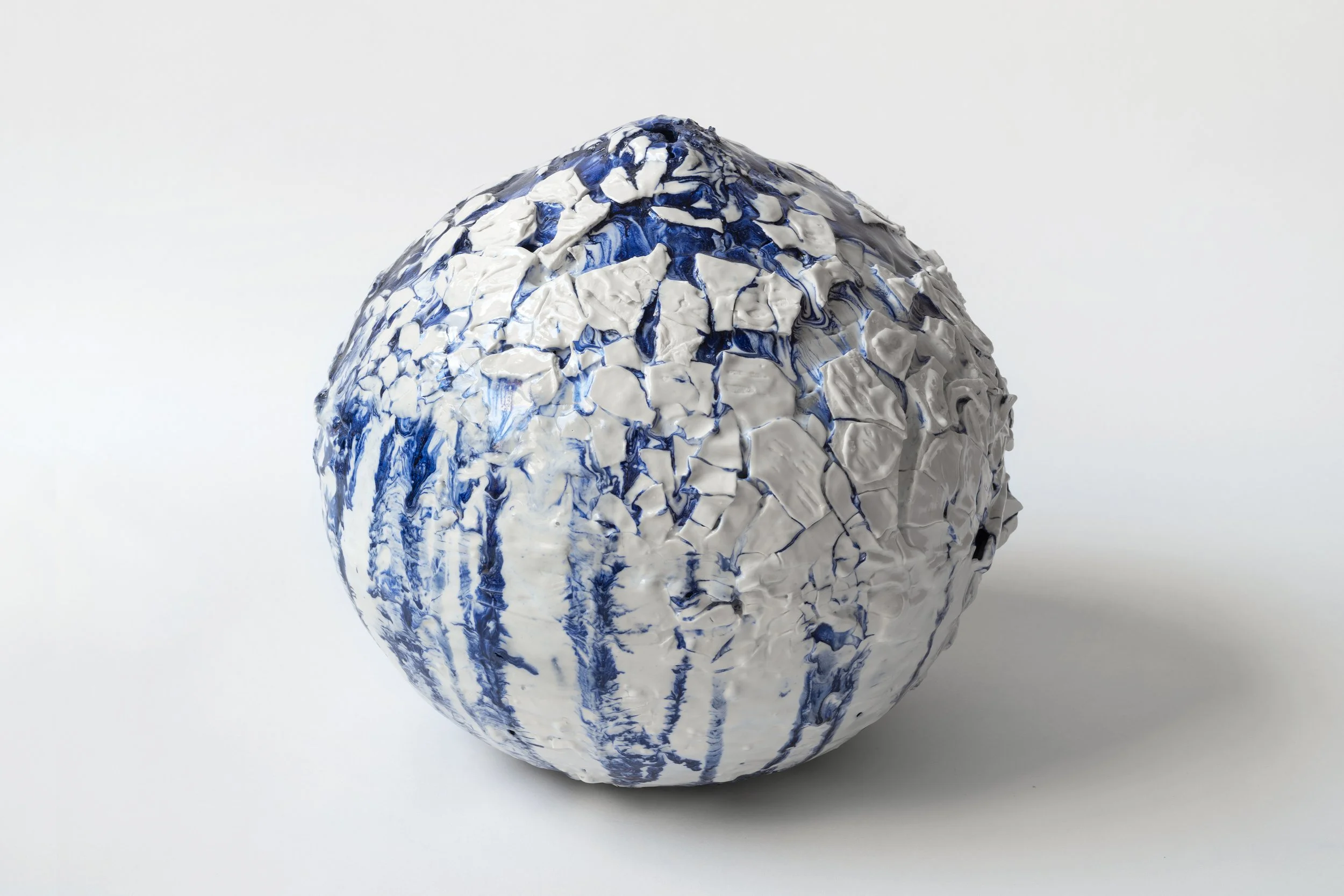
The new sculptures translate that intimacy into scale. Porcelain, earthenware and terracotta are combined with soils from Japan, Mexico and Spain. The earth itself therefore becomes geographically composite before it is fired.
Collectors accustomed to thinking about ceramics through vessel form may find this useful. Barrero’s work asks us to look instead at linkage: how one fired unit meets another, how a line of wire becomes structure, and how fragility is not hidden by the finished object.
Repair is not an afterthought

Barrero explicitly connects her metal bindings to Spanish lañado, a traditional method of repairing broken ceramics with metal staples, and to Japanese kintsugi, where breaks remain visible through lacquer and powdered metal.
Those references are important because they shift repair from conservation into form. The join is not something a restorer is supposed to make disappear later. It is already part of the sculpture’s meaning.
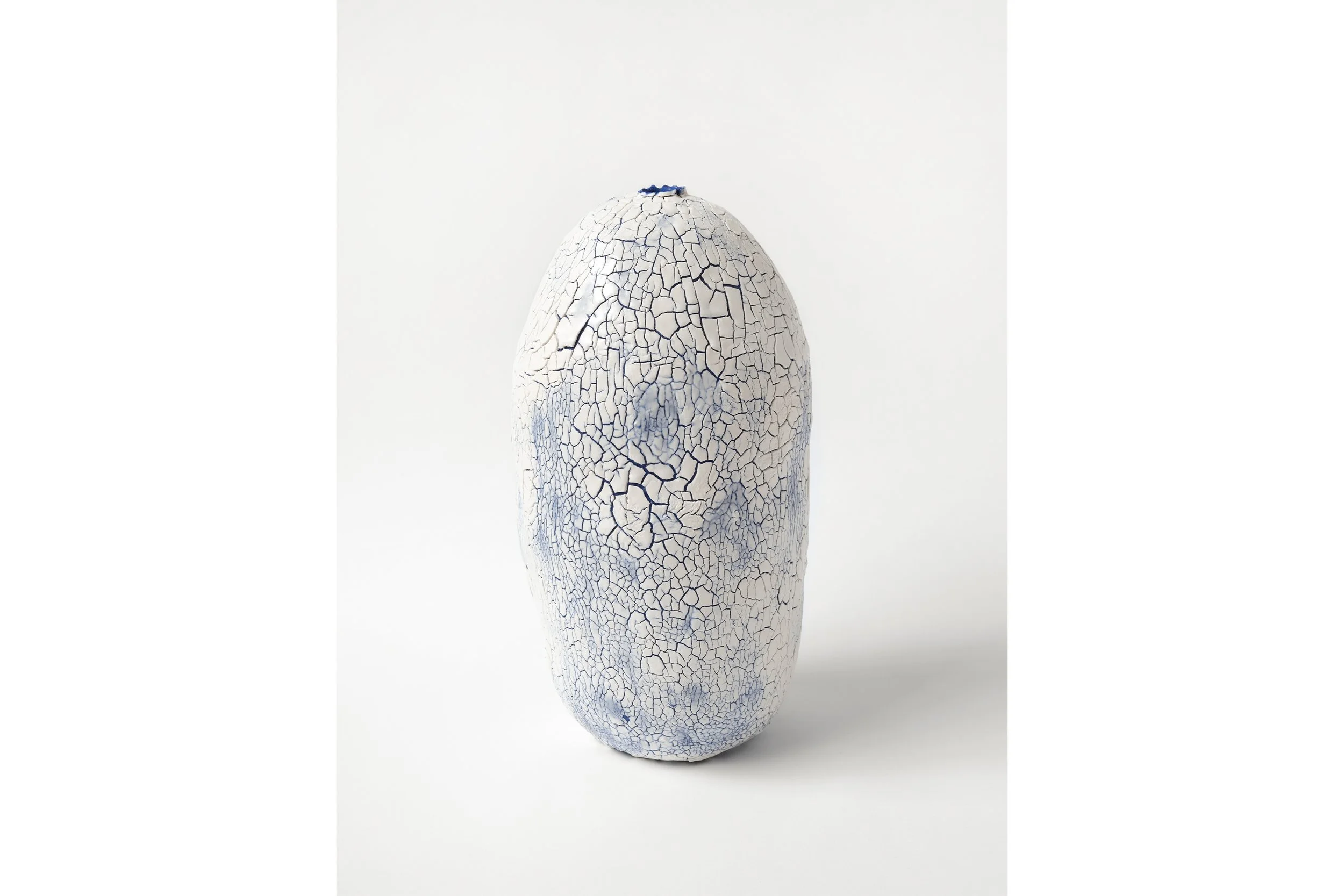
Barrero has been developing this idea for years. In her earlier Terruños works, cracks, multiple firings, broken fragments and wire stitching were treated as evidence of persistence rather than failure. The new exhibition scales that thinking up into bodies.
Why the work belongs in a living-with-art conversation

Large ceramic sculpture changes a room differently from a painting. It occupies circulation, catches changing light, produces shadows and asks to be understood from more than one position. Barrero’s bead structures add another layer: from across a room they can read as unified figures; close up, they dissolve into hundreds of individual decisions.
That makes placement consequential. These are works that need enough physical space to preserve silhouette while still allowing a viewer to approach the surfaces. For collectors, plinth height, ambient light and safe circulation are not secondary installation questions; they determine how the work is read.
The broader attraction of MOTHERS is that it avoids the false choice between contemporary sculpture and craft history. Its materials carry centuries of domestic and ritual association, but Barrero uses them to make large, spatially assertive contemporary objects.
The soil is not neutral
One of the most compelling details in MOTHERS is Barrero’s use of soils from Japan, Mexico and Spain within combinations of porcelain, earthenware and terracotta. In a lesser work, such sourcing could become biographical decoration. Here it fits the logic of the bead: separate particles and separate histories are brought into a larger body without pretending that their origins disappear.
For collectors of ceramics, that makes the material description unusually important. The work is not simply 'ceramic and wire'. Different clay bodies, soils, glazes, firings and metal connections contribute to how the sculpture looks and how it should be cared for. Detailed records of fabrication and repair methods therefore belong with the provenance documentation from the start.
Repetition creates monumentality without heaviness
Barrero’s sculptures are large, but their scale is built through accumulation rather than mass. Hundreds of beads create volume while leaving gaps, shadows and visible routes through the structure. This is one reason the works can occupy domestic or architectural space differently from a carved stone or cast bronze sculpture of comparable size.
The eye alternates between whole and part. From a distance, the work can register as a figure or presence; closer up, it becomes a field of joins, irregular surfaces and individual ceramic units. That movement is central to the experience, and it argues for installation that allows viewers to circulate rather than pushing the object permanently against a wall.
Repair culture and collecting
The references to Spanish lañado and Japanese kintsugi also speak directly to collecting culture. Western museum and market conventions have often treated damage as something to minimise visually, even when the history of repair is materially significant. Barrero starts from the opposite premise: the join can carry memory and can become a visible source of strength.
That does not mean every future break in one of these sculptures should be celebrated or repaired visibly. Conservation remains a specialist matter and any intervention should respect the artist’s intent. But the work does encourage a more sophisticated understanding of condition. A sculpture can be materially vulnerable without treating vulnerability as failure.
Exhibition information

Inma Barrero: MOTHERS is on view at Lévy Gorvy Dayan, New York, from 17 September to 17 October 2026.

Eight new sculptures turn handmade ceramic beads, soils from three countries and metal stitching into a chorus of maternal forms—an exhibition where repair becomes structure rather than correction.
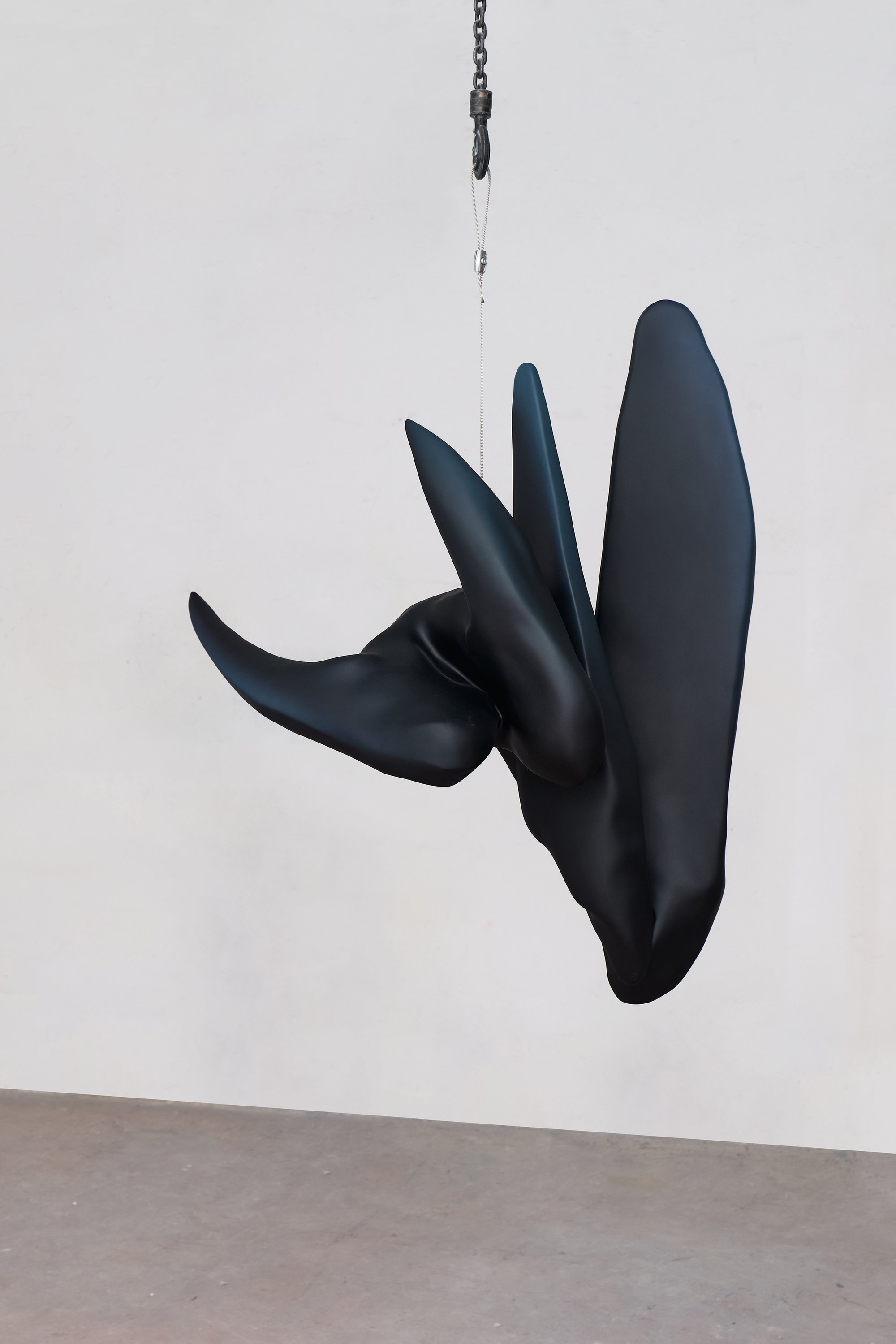
Tunnel-boring machines become creatures and infrastructure starts to resemble metabolism in Teresa Solar Abboud’s first UK solo. We look at the hidden systems beneath the city—and what collectors need to know about her materially complex sculpture.