LATEST NEWS:
Jenny Holzer & Andy Goldsworthy win 2026 Praemium Imperiale • €9m Renoir museum heist in France • Dimitris Daskalopoulos donates 51 works to museums in Greece & Scotland • Artist Lucien Smith dies aged 37 • Faro Santander opens with 1,000-work collection • Argentina orders return of Nazi-looted Old Master • Greece rejects Parthenon Marbles loan request • Smithsonian chief Lonnie Bunch announces retirement
Go Back
Magazine

Na Mira at MoMA: NO SMOKING and the Machinery Behind Images

Na Mira’s newly commissioned MoMA installation explores surveillance, military image-making and the unstable boundary between technological evidence and perception.

Exhibitions
Exhibitions
Na Mira at MoMA: NO SMOKING and the Machinery Behind Images

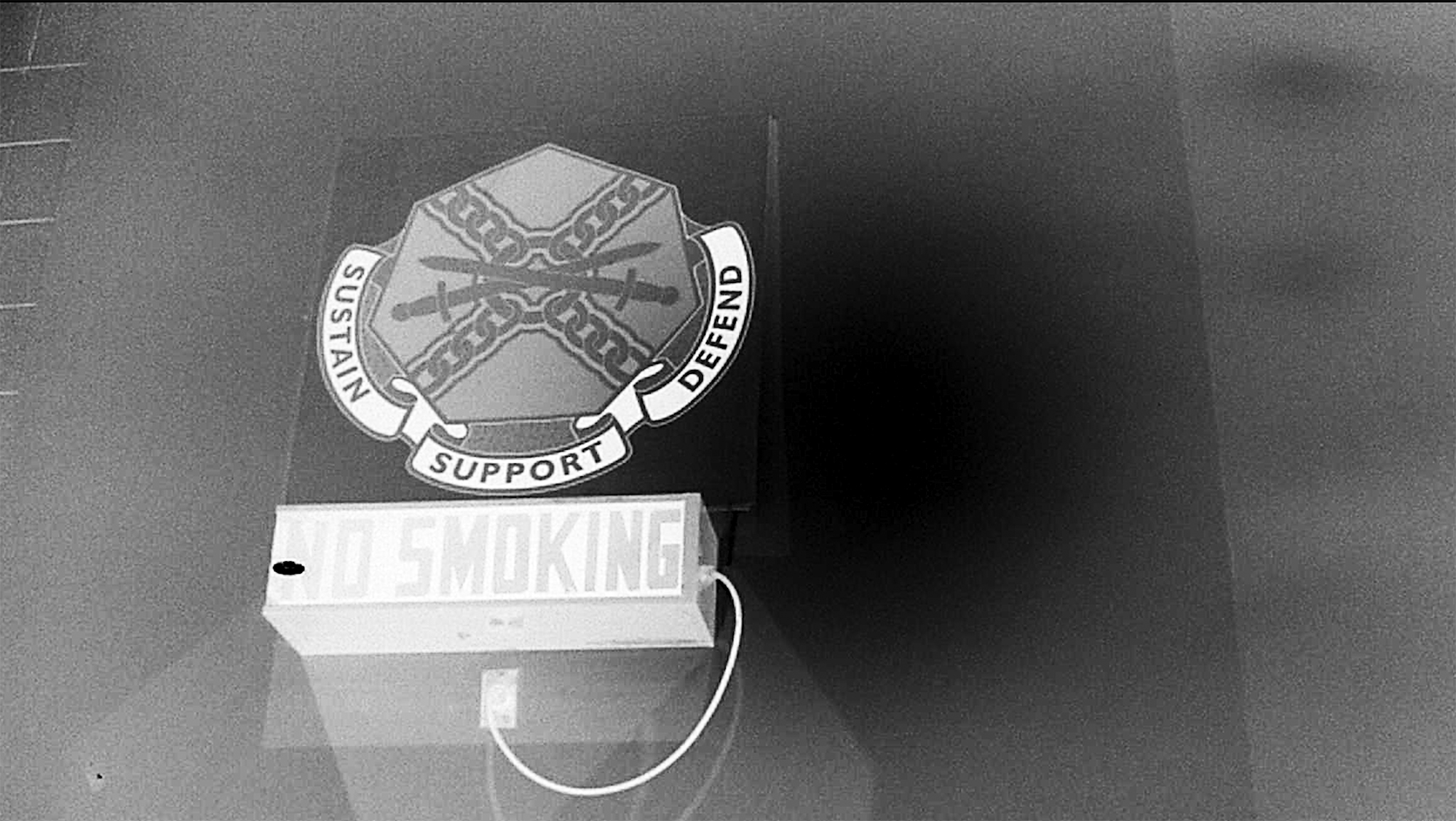
A camera does not merely record. It selects a field of vision, a speed, a spectrum and a position from which the world becomes legible. Many of the technologies that now feel natural to everyday life began as instruments designed for military observation or control. Those histories shape what can be seen, even when the devices are later repurposed for art, entertainment or personal communication.

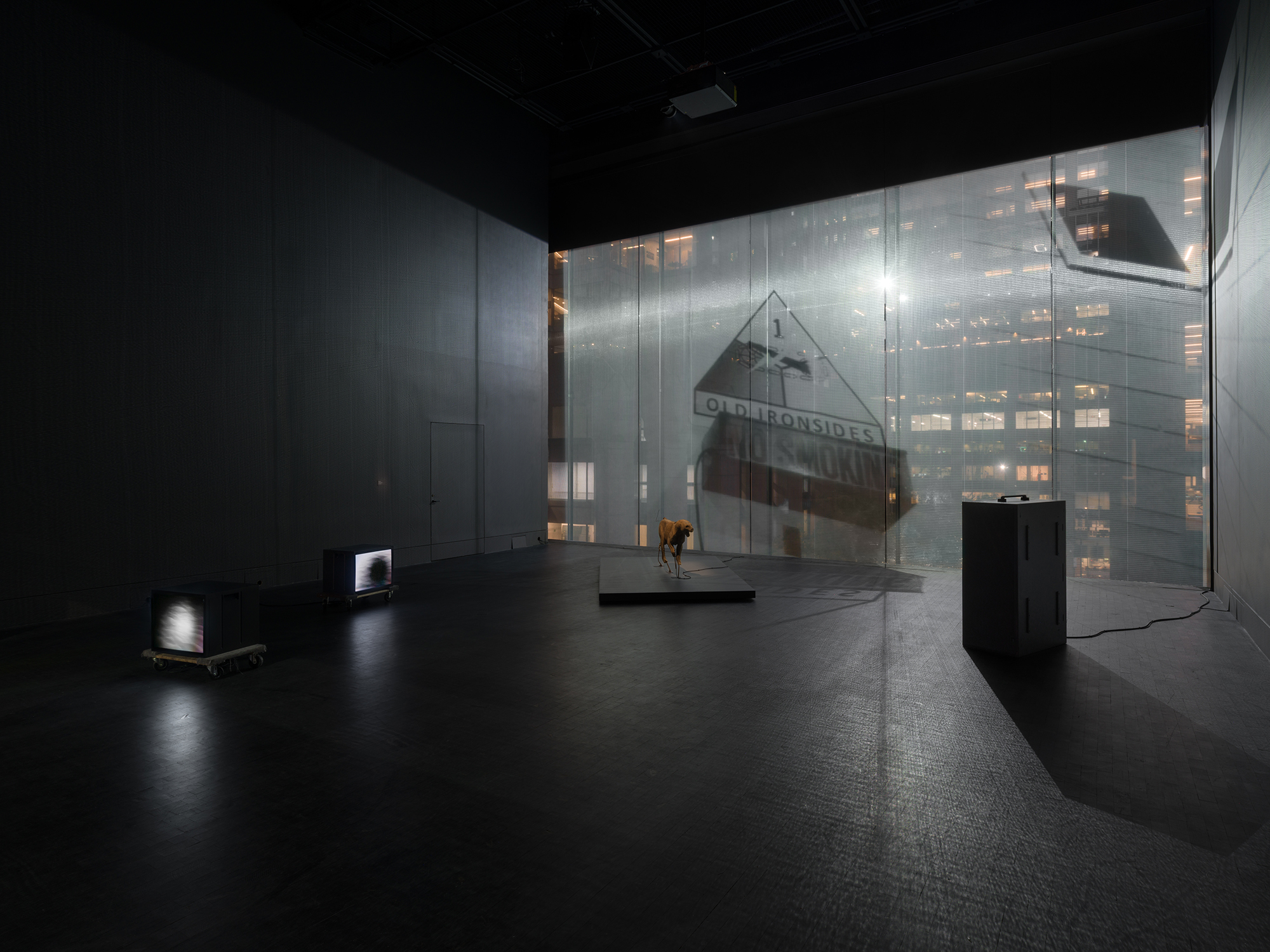
Na Mira’s NO SMOKING, at the Museum of Modern Art in New York from 14 November 2026 to 15 February 2027, takes that inherited machinery as a subject. MoMA describes the project as the artist’s first solo museum exhibition in New York and places it in the Marie-Josée and Henry Kravis Studio, a space devoted to experimental, time-based art. Its relevance reaches well beyond specialist media-art audiences: it asks the viewer to examine the authority routinely granted to technological images.

Installation view of Na Mira: NO SMOKING, The Museum of Modern Art, New York, 14 November 2026–15 February 2027. Photo by Jonathan Dorado © The Museum of Modern Art, New York.

The camera’s inherited worldview

MoMA’s exhibition description specifically identifies the military origins of imaging and sonic technologies as a central concern. That distinction is fundamental. It shifts the discussion from a familiar complaint about fake images to a more difficult question: why did particular systems for looking come into existence, and whose purposes did they originally serve?

A technological image is never detached from its apparatus. Resolution, spectrum, compression, delay and the arrangement of sensors are aesthetic decisions, but they are also historically determined technical constraints. The visible image often conceals an infrastructure of calibration, classification and exclusion. To look at that infrastructure is not to reject photography, film or video as trustworthy in themselves. It is to understand that the conditions of seeing are made rather than given.

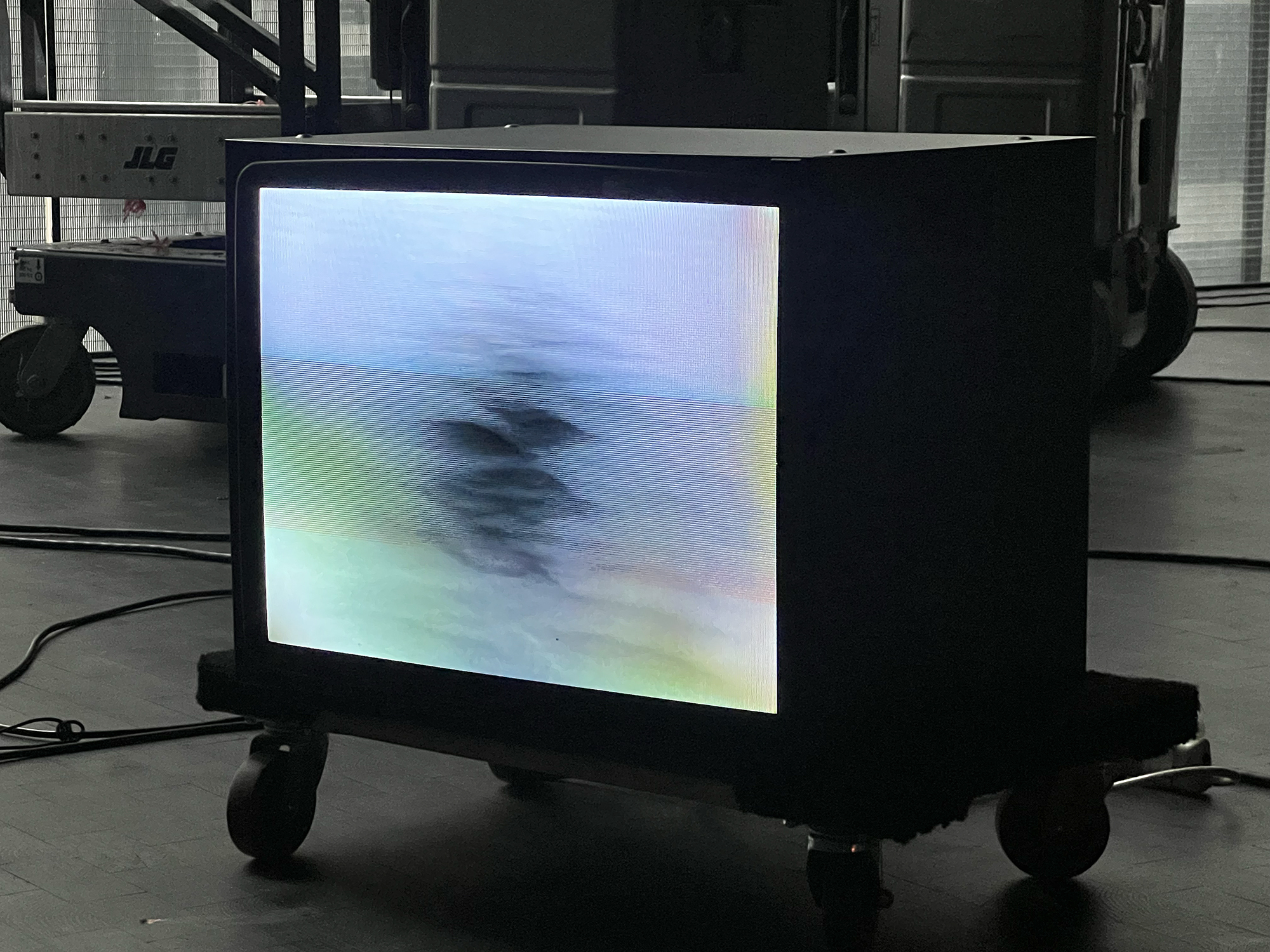
Mira’s practice has long moved among moving-image forms, experimental projection, performance and ritual. The museum situates her work in relation to animistic practices and the history of structural filmmaking, and notes her use of radio-frequency interference, infrared video and holography. These are not interchangeable effects. Each proposes a different relationship between a body and a picture: something is transmitted but disrupted, captured beyond conventional vision, or made to appear spatially present without possessing the permanence of a physical object.

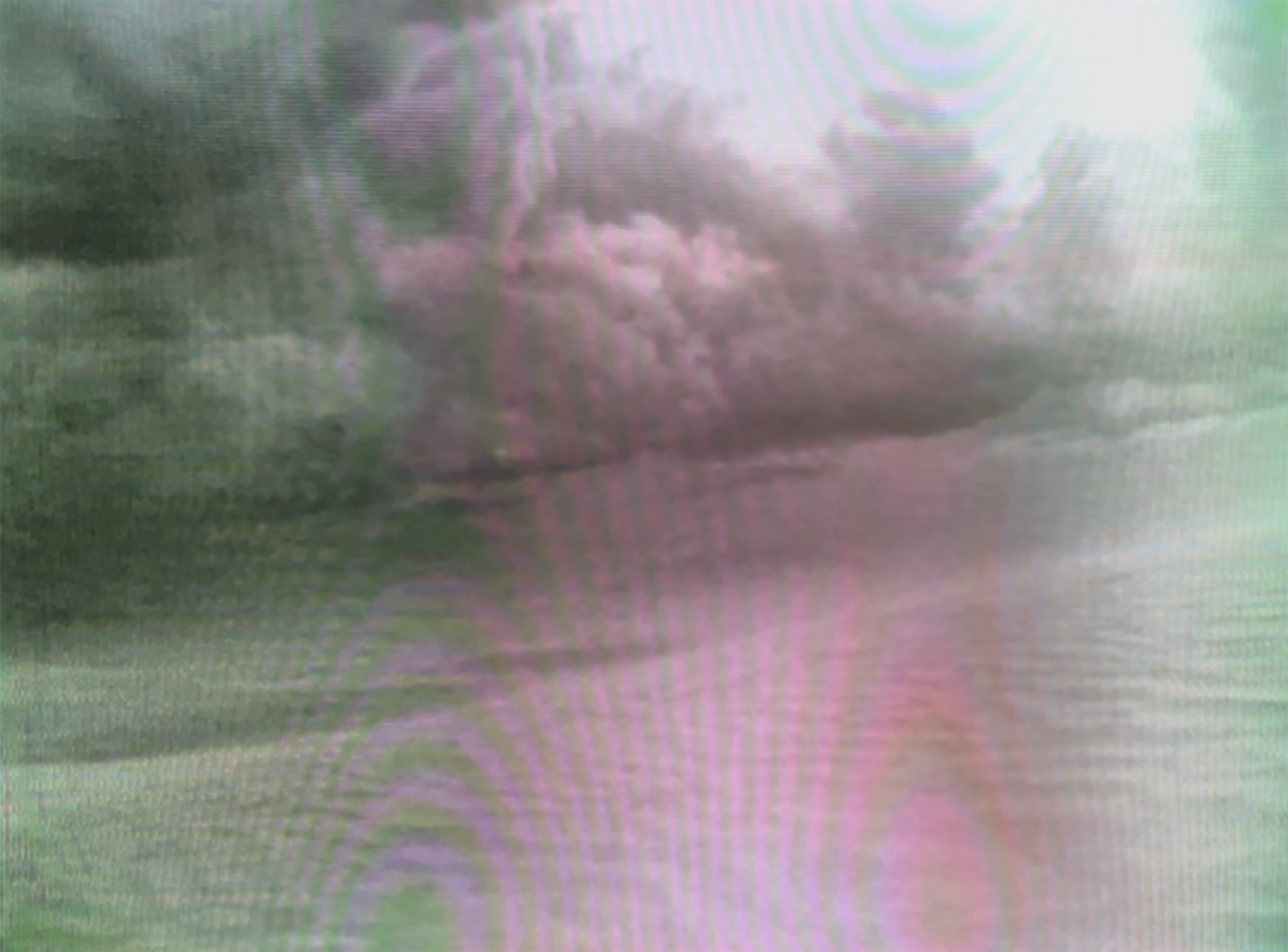
Na Mira, BLISS BLISS, 2026. Two-channel infrared high-definition video (black and white), glass, plexiglass, sun. Courtesy the artist. Authorised work image.

A form of resistance that is not simply a message

Contemporary exhibitions often employ technology as an attraction. Immersion, scale and technical novelty can become selling points in their own right. Mira’s subject offers a way out of that expectation. When an artist makes the viewing apparatus conspicuous, technical sophistication no longer guarantees a seamless spectacle. It may instead reveal breakdown, ghostliness and uncertainty.

Such strategies belong to a longer history of experimental cinema that refuses to conceal its means. Structural filmmakers examined repetition, duration, the mechanical act of projection and the viewer’s awareness of the film as film. Media archaeology similarly asks what technologies remember, how devices structure experience and what older intentions survive within apparently new platforms. Mira’s work can be approached through both traditions without requiring one to collapse into the other.

The title NO SMOKING introduces its own ambiguity. It sounds like an instruction: a command imposed on a body in a defined space. It can also evoke vapor, disappearance or the traces of an action that cannot be retained. The exhibition title alone does not establish the content of every installation element, and interpretation should not be confused with documentation. But its imperative form is suggestive in a project concerned with structures that organise behaviour and perception.

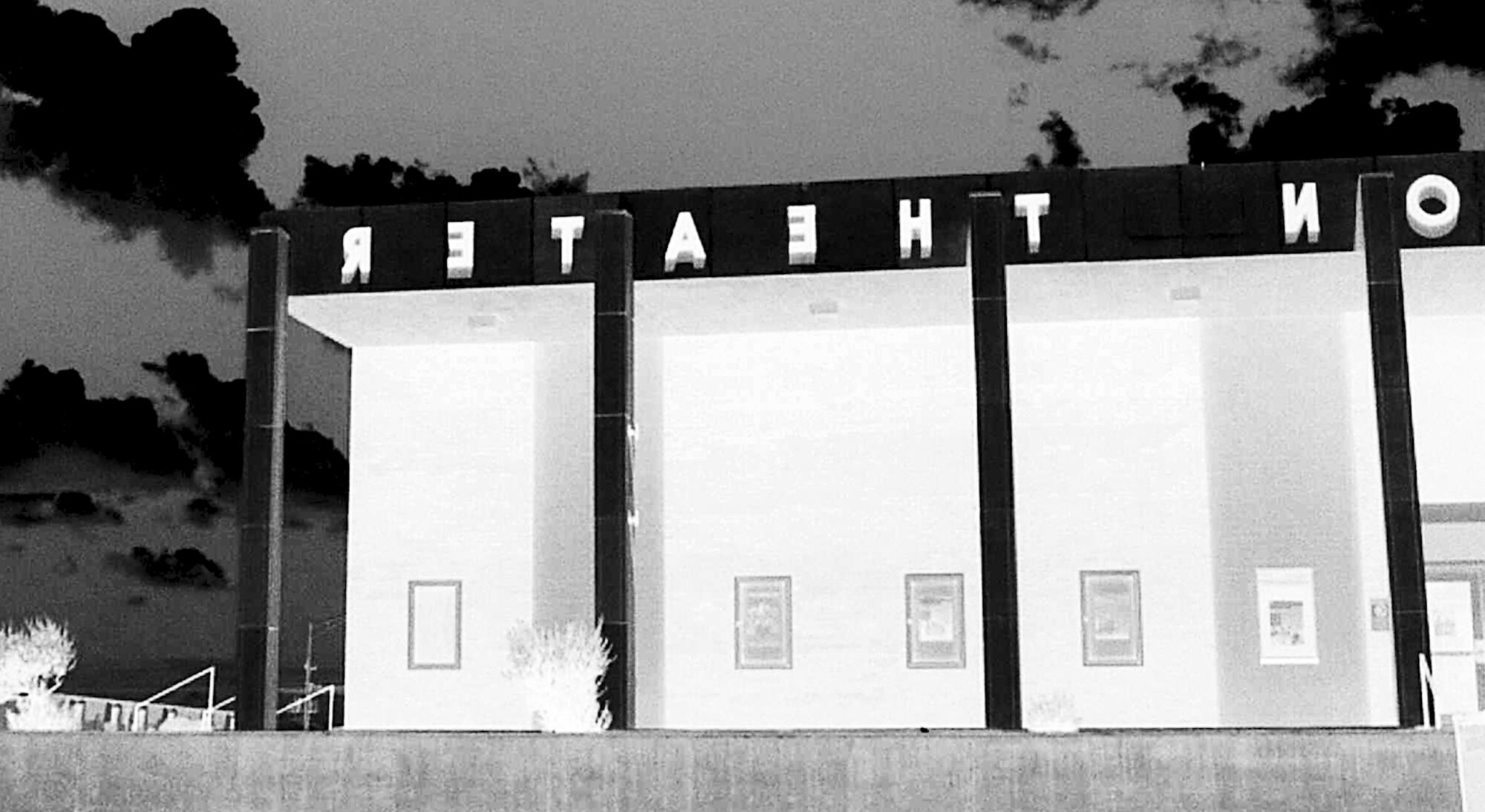
Na Mira, MANHATTAN MANHATTAN, 2026. Infrared high-definition video (black and white), frequency. Courtesy the artist. Authorised work image showing interference.

Why timing matters

The exhibition arrives during an intense public conversation about image authentication and artificial intelligence. It would be easy to frame it as a direct response to the latest machine-generated pictures. That would make the work sound more narrowly topical than the museum’s account warrants. Its historical interests are older, involving military research, electronic systems and experimental cinema. Those histories matter precisely because they show that problems of mediated sight did not begin with a chatbot or an image generator.

Mira also provides a reminder that contemporary art’s most experimental practices often resist translation into static publicity images. A single photograph of a time-based installation can communicate atmosphere and architecture, but it cannot necessarily communicate a system’s rhythm, the relation between sound and image, or how the work changes as a viewer stays with it. The distinction makes time spent in the room essential: the photographic record is an introduction to the work, not a substitute for encountering it.

Na Mira, MANHATTAN MANHATTAN, 2026. Infrared high-definition video (black and white), frequency. Courtesy the artist. Authorised work image.

Collecting time-based work responsibly

For collectors and institutions, media installations pose questions that are as demanding as those surrounding sculpture or painting. What, exactly, is being acquired: a unique installation, an edition, a video file, software, hardware, technical instructions or some combination of these? Are projection dimensions prescribed or adaptable? What happens when a display system or storage medium becomes obsolete? How does one retain the artist’s intended experience without freezing the technology in an impractical state?

Those questions do not imply that Mira’s particular MoMA commission is available for acquisition. They describe a broader field of due diligence. Any potential collector of time-based art should ask about file formats, checksums, authentication, equipment dependencies, display and audio specifications, replacement policies, installation documentation and a conservator-approved migration plan. Where a work draws meaning from interference or distortion, it is particularly important to know which departures from an ideal signal are intentional.

Na Mira, BLISS BLISS, 2026. Two-channel infrared high-definition video (black and white), glass, plexiglass, sun. Courtesy the artist. Authorised work image.

How to encounter NO SMOKING

MoMA presents the installation in the Kravis Studio, a dedicated site for live and experimental work rather than an ordinary white-cube painting gallery. Allow time rather than seeking only an immediately legible image. Ask which aspects of what you see belong to a recording and which belong to the conditions of its display. Pay attention to any contrast between apparent evidence and the uncertainty of its transmission.

Na Mira: NO SMOKING is on view at the Museum of Modern Art, New York, from 14 November 2026 to 15 February 2027. This article draws on the museum’s documentation and published reporting.

The exhibition’s most useful proposition is not that images are false. It is that every image comes from somewhere: a device, a system, a history and a set of decisions. Once that becomes visible, looking itself changes.

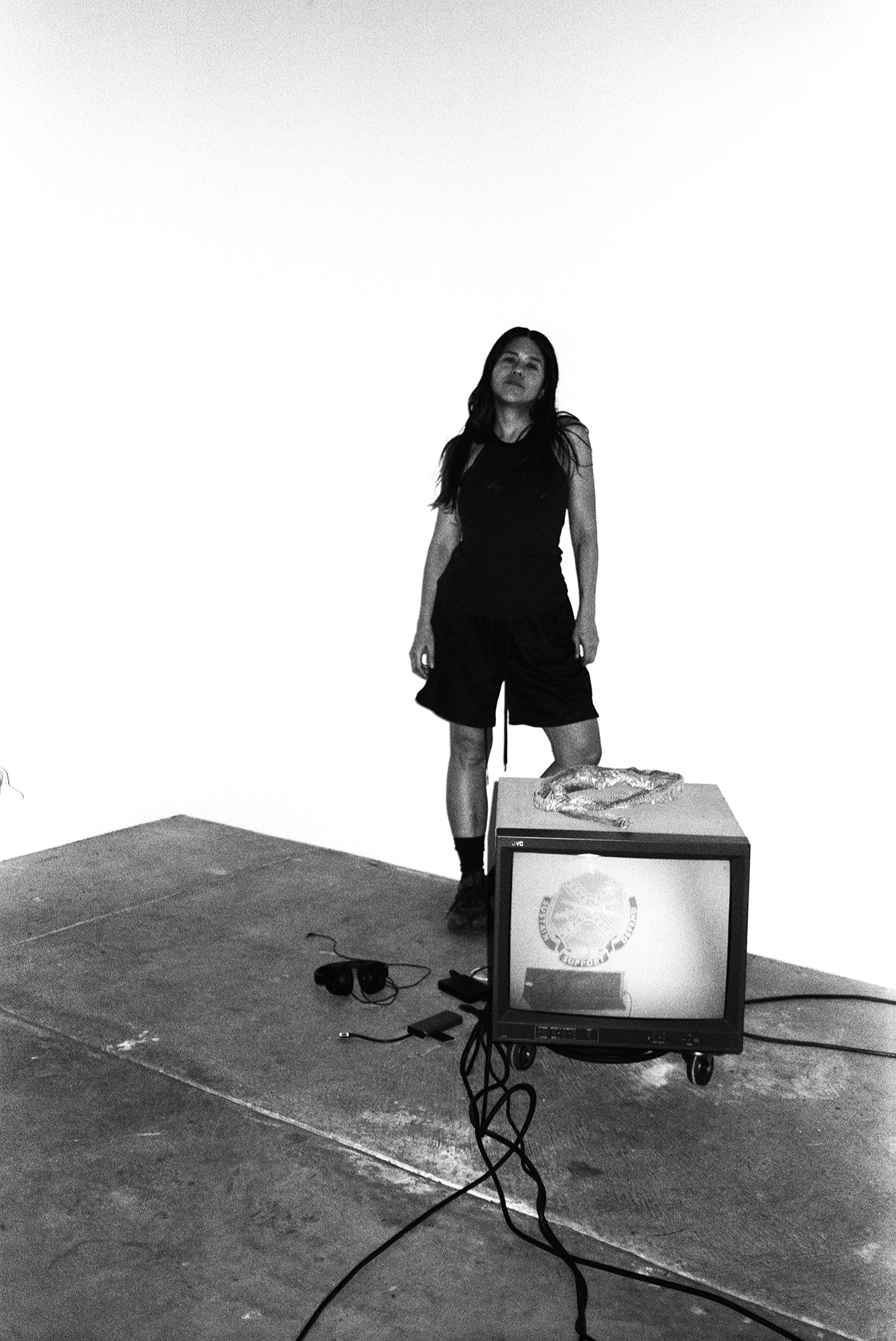
Na Mira, portrait. Courtesy the artist.

‍

Date
Nov 21, 2026
Share

Latest Posts

Beyond Acquisition: Patron's House and the Changing Culture of Art Patronage

What happens when two women with a combined of more than 20 years of navigating the art world from within decide to create the opportunities they believe are missing from today's artistic landscape?

November 21, 2026
Exhibitions
Exhibitions
Na Mira at MoMA: NO SMOKING and the Machinery Behind Images

Na Mira’s newly commissioned MoMA installation explores surveillance, military image-making and the unstable boundary between technological evidence and perception.

November 20, 2026
Exhibitions
Exhibitions
Julie Curtiss in New York: When the Familiar Becomes UNREAL

Julie Curtiss’s new paintings at Gagosian turn New York’s everyday encounters into unsettling studies of identity, ageing, self-presentation and uncertainty.