
October 20, 2026
Exhibitions
Exhibitions

Paris Internationale returns with 56 galleries, a new Canal Saint-Martin venue and a model built around discovery. Here is how collectors should use it.
As artificial intelligence reshapes our world, entrepreneur and collector Neel Khokhani believes contemporary art has never been more important. In this interview, he shares why he collects emerging and established artists side by side, why he sees himself as a patron rather than a collector, and how his globally focused Epochal Collection is preserving the human story at the dawn of the machine age.
Neel Khokhani belongs to a new generation of collectors redefining what it means to build an art collection in the twenty-first century. An entrepreneur and investor whose career has spanned technology, aviation, finance and global investment, he approaches collecting with the same long-term conviction that has shaped his business life—but with an entirely different purpose. For Khokhani, art is not an asset class to be optimized or a reflection of market consensus. It is a profoundly human endeavour, one that offers a counterpoint to a world increasingly shaped by artificial intelligence and machine-driven systems.
As founder of Epochal Corporation, his work sits at the forefront of the technologies transforming society. Yet it is precisely because of this proximity to technological change that his art collection has become a deeply personal meditation on humanity itself. Built over the past seven years, the Epochal Collection brings together more than eighty artists from over twenty-five countries, united less by geography or career stage than by shared questions surrounding identity, memory, migration, fragility and the evolving relationship between the human and the synthetic.
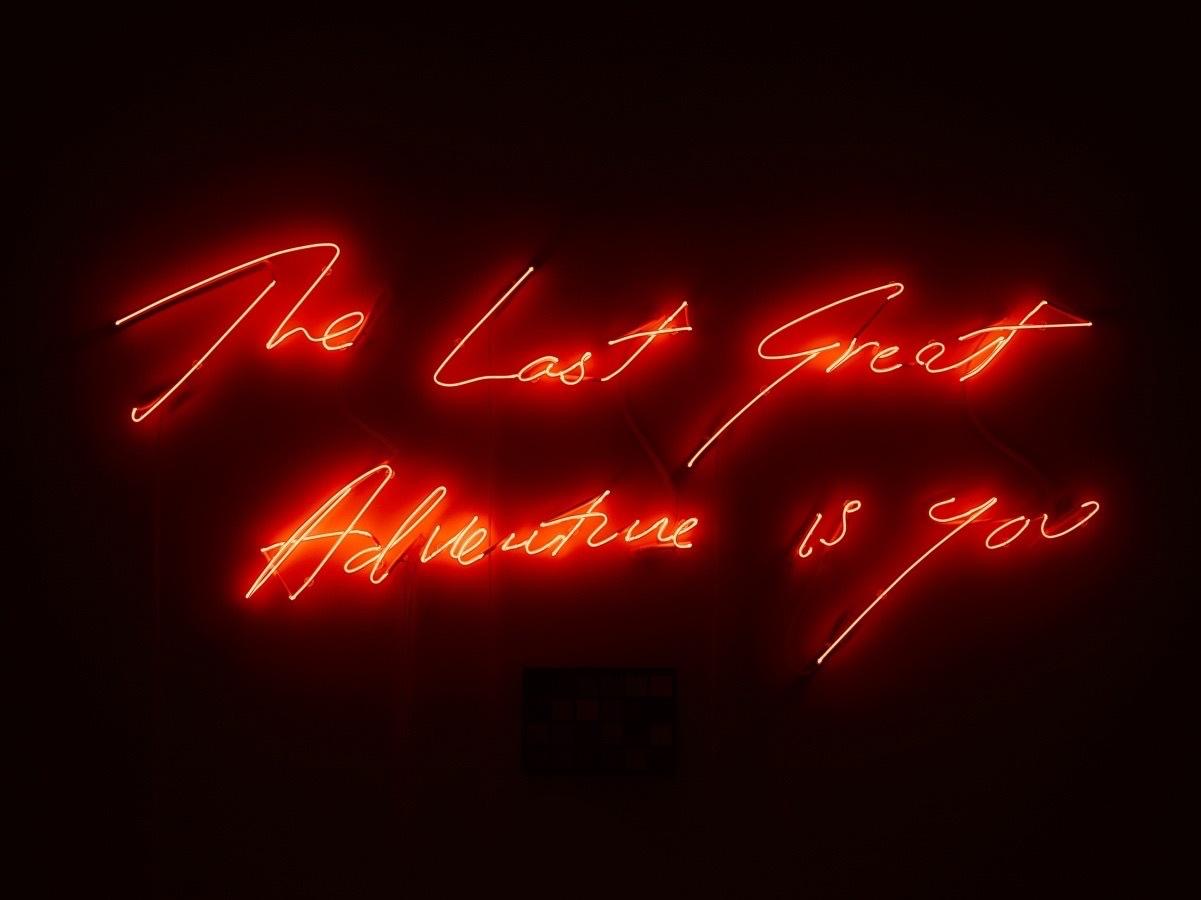
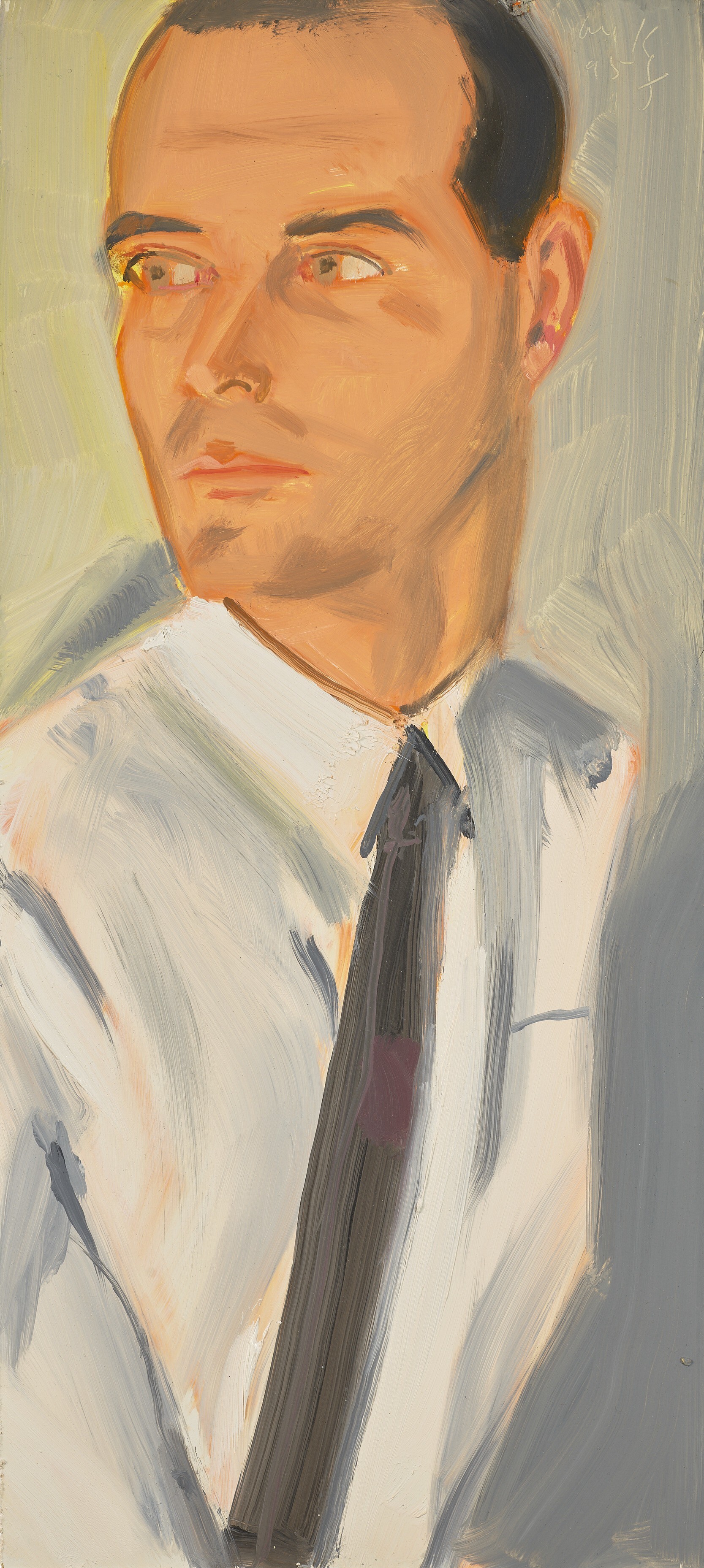
Rejecting the conventional hierarchies that often define collecting, Khokhani places internationally celebrated figures such as Ed Ruscha, Richard Prince, Tracey Emin and Alex Katz in direct dialogue with emerging artists at the very beginning of their careers. For him, artistic significance lies not in market validation but in intellectual and emotional necessity. It is an approach rooted in patronage rather than acquisition—supporting artists before consensus forms, and valuing conviction over certainty.
Throughout this conversation with ArtCollectorNews, Khokhani reflects on the formative experiences that first drew him towards art, from architectural interiors and David Rockefeller's writings to his first acquisition by Diane Dal-Pra. He discusses his philosophy of collecting, the importance of supporting artists working beyond the traditional centres of the art world, and why he believes authenticity and the human hand will become increasingly valuable in an era dominated by generative AI.
What emerges is a portrait of a collector who sees art not simply as a record of culture, but as a living archive of what it means to be human at a pivotal moment in history. Thoughtful, intellectually rigorous and deeply optimistic about the enduring power of artistic expression, Neel Khokhani offers a compelling vision of contemporary patronage—one that looks beyond the market to the ideas, relationships and acts of belief that shape the future of art.
ARTCOLLECTORNEWS: Please tell us a bit about yourself and your background.
I’m an entrepreneur and investor by trade. I built and exited a couple of companies in Australia (one in aviation training, one in consumer finance) before turning to running a single-family office, Epochal Corporation, which now operates between Dubai and Monaco. My working life is spent close to the technologies reshaping what it means to be human: AI infrastructure, compute, the physical backbone of the machine age. The collection grew out of the same temperament that drives the rest of my work: a long horizon, a willingness to commit early, and an interest in things that reward you the longer you live with them. I should say at the outset, though, that I think of myself as a patron rather than a collector, and that I hold the cultural side of my life as something quite separate, emotionally, from the financial side, even where the two share a name.
ARTCOLLECTORNEWS: What was your first experience with art?
It began, of all places, with magazines: photographs of extraordinary interiors and architectural spaces with art living inside them. I remember looking at those rooms and forming a quiet ambition: that at some point in my life, when I was able to, I wanted to live and grow amongst objects of real historical and cultural significance, to share my days with them, not simply visit them in a museum.
What crystallised it was reading David Rockefeller on his own life. He had grown up surrounded by masterpieces (Picassos, Monets, the founding works of modern painting) while also being, of course, a serious man of business. What stayed with me was his sense that living amongst those works gave him a more balanced and complete life: that they engaged a different part of him than his work did, the right side of the brain alongside the left. That idea has never left me: that art isn’t an ornament on a successful life but a way of becoming a fuller person, of thinking with both halves of yourself. It’s really the seed of everything the collection has since become.
ARTCOLLECTORNEWS: How did it shape your interest in collecting?
It set the standard I still use. I’m not drawn to work that simply decorates a wall; I’m drawn to work that argues something: about the body, about identity, about where the human ends and the synthetic begins. Once you’ve felt a picture think, anything less feels inert.
ARTCOLLECTORNEWS: What inspired you to start collecting art?
A conviction that we’re living on a hinge between two ages, that the machine age is reopening the oldest question there is (what a human being actually is), and a wish to gather the work being made on the human side of that turn. That’s why I called the collection Epochal. To me an epoch isn’t a length of time at all; it’s the join between two of them, the point at which one age tips into the next. I wanted a record of what we were, and of what we still made by hand, right at that edge.
ARTCOLLECTORNEWS: What were the first pieces you collected?
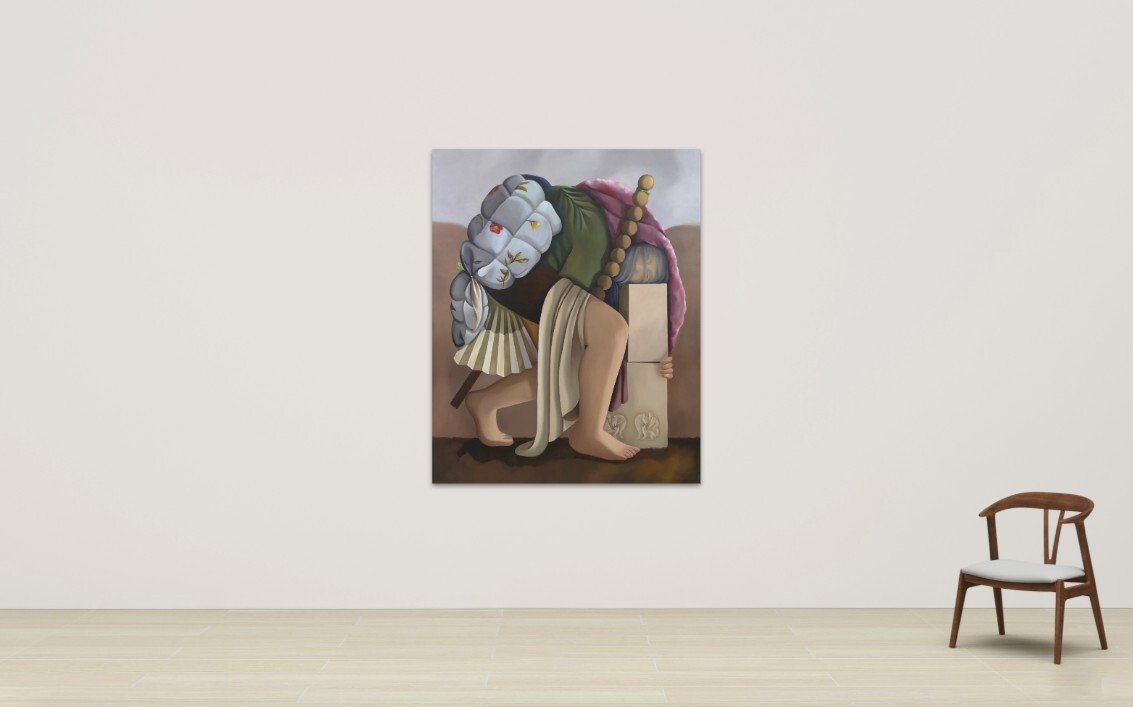
The first work I acquired was a painting by Diane Dal-Pra. Looking back, it was exactly the right place to begin, because it already sat on the seams the whole collection would be built around: the human figure caught between presence and dissolution, a woman’s interior life, a quiet fragility, bodies and objects bleeding into one another until you can’t quite tell where the person ends. And she was (and still is) an artist early in her trajectory, which mattered to me. Starting there, rather than with a safe and established name, set the register for everything that followed: that I’d back work for what it says and risks, not for what the market had already decided about it.
ARTCOLLECTORNEWS: How long have you been collecting art?
Coming up on seven years now, long enough for it to have become a serious, sustained commitment rather than an occasional indulgence, and for through-lines to emerge that I didn’t fully plan at the start.
ARTCOLLECTORNEWS: How has your collection, or the type of work you collect, evolved over time?
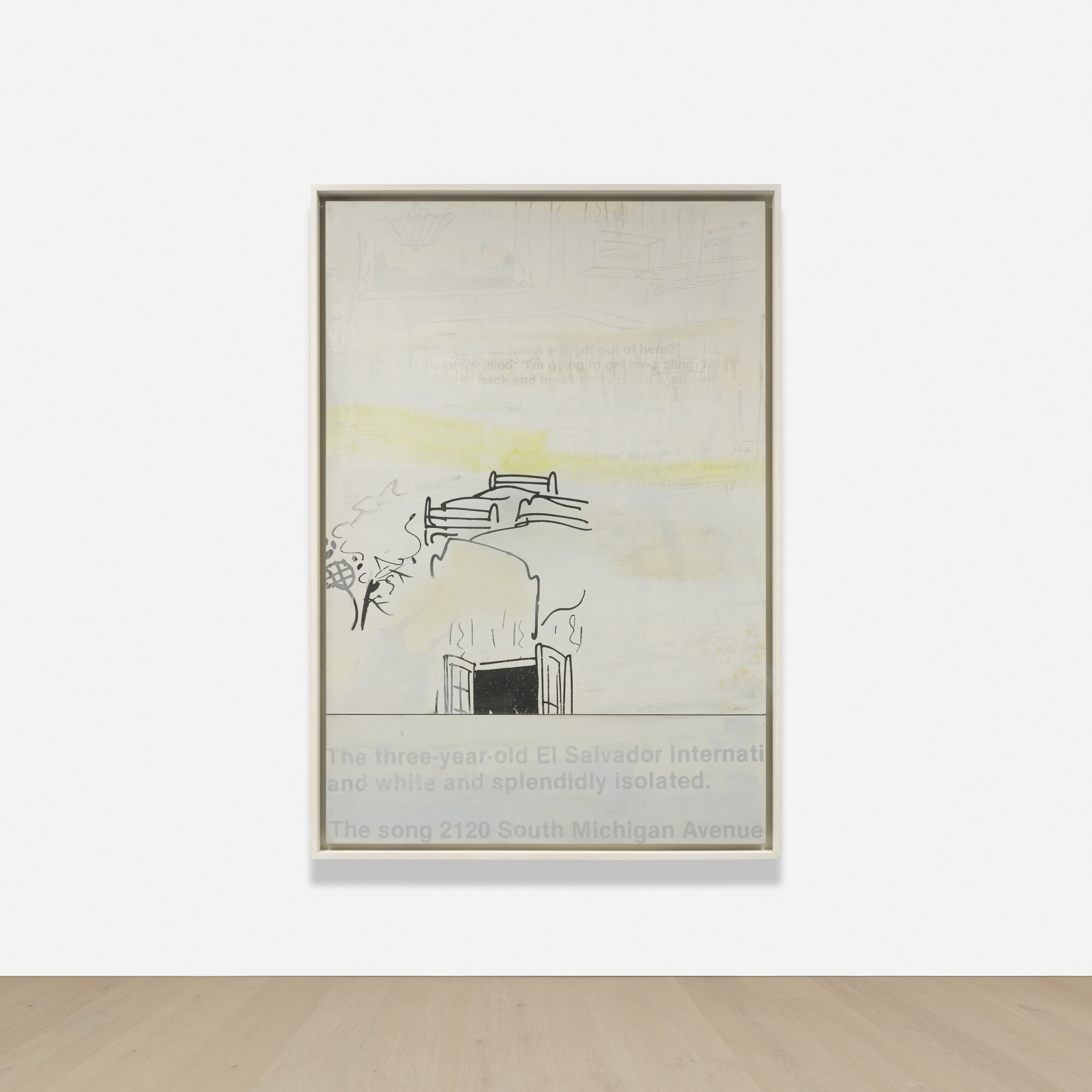
The biggest evolution has been toward refusing two maps the art world usually draws. The first sorts artists by career stage (blue-chip, mid-career, emerging) and prices and discusses them as though a settled reputation and a first serious show were different species. I’ve come to treat that as close to a category error. I’ll hang an Ed Ruscha or a Richard Prince in the same room, and the same conversation, as a painter showing serious work for the first time, and I don’t rank them. The second map is geographic: it locates contemporary art in two or three cities and treats everywhere else as periphery. Over time the collection has become a deliberate refusal of that, weighted toward voices well outside New York and London: Indigenous Australia, sub-Saharan Africa, the Andes, East Asia. Today it runs to more than eighty works, by upwards of eighty artists, across more than twenty-five countries.
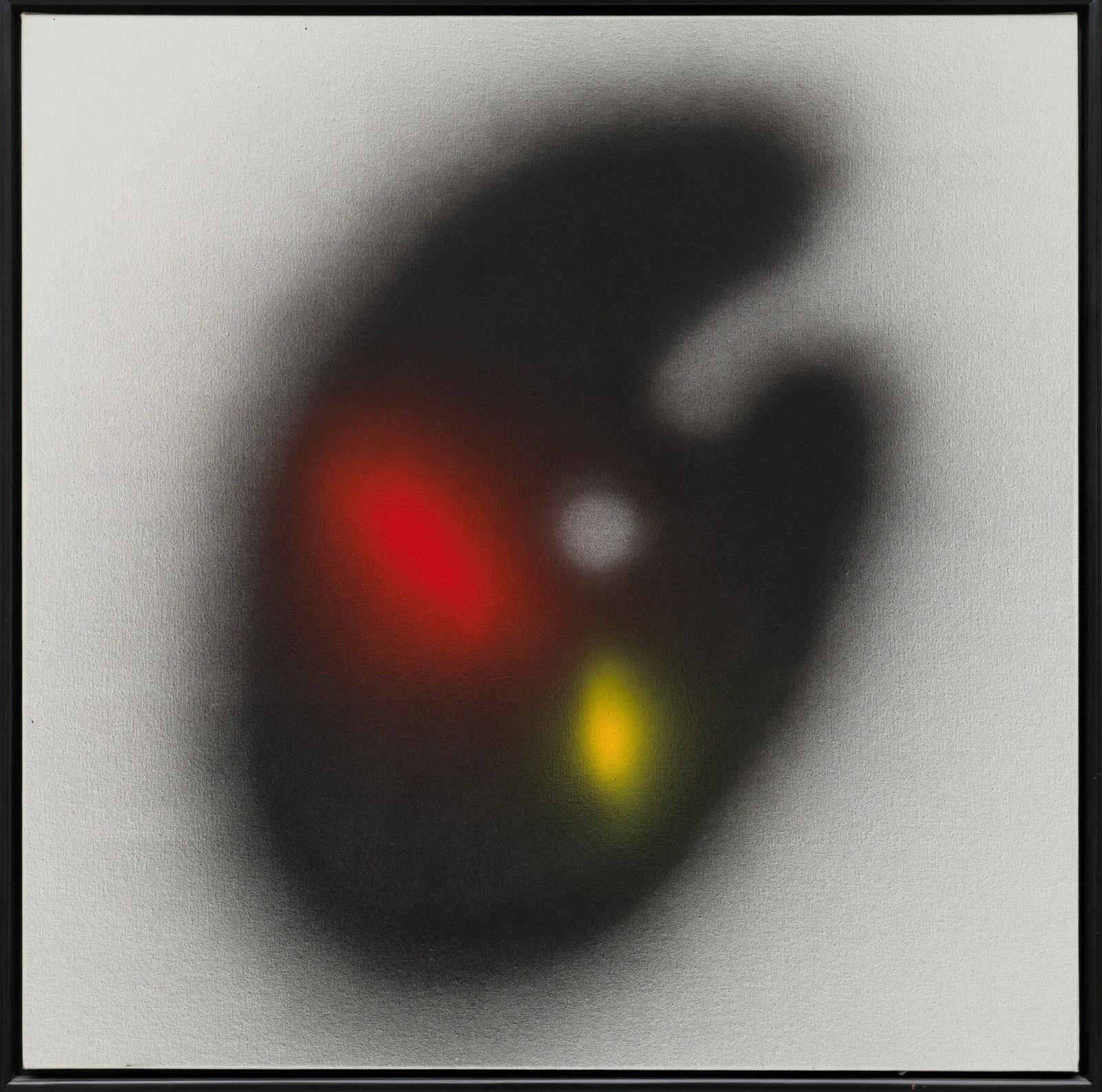
ARTCOLLECTORNEWS: Tell us a bit about your collection: what artists or types of art do you gravitate towards?
At its centre is contemporary figurative painting, but the organising spirit is really three words: curiosity, exploration, identity. Curiosity is the reason I look at all. Exploration is why I look in the places the map leaves blank. And identity is what I keep discovering once I’m there. A few through-lines run across the whole thing: the body and human fragility; migration and decolonial identity; women reclaiming their own interiority; the human at the technological threshold; ancestral time set beside the digital frontier; and mortality and memory. On the established end there are figures like Ed Ruscha, Richard Prince, Alex Katz, Annie Leibovitz, Tracey Emin, Sabine Moritz, Jack Pierson and Jeppe Hein, but they sit in conversation with artists most people haven’t heard of yet, which to me is the entire point. The conversation only becomes audible when every voice is allowed in the room at once.
ARTCOLLECTORNEWS: Tell us about a few of your favourite or recent acquisitions, and the artists whose work you’ve collected.
My most recent acquisition is a piece by Jessica Rankin (an Australian artist, as it happens, working out of New York), who stitches whole mindscapes in thread on sheer fabric: maps and constellations that dissolve into lines of embroidered, stream-of-consciousness text, until the work becomes a kind of embodiment of thought. It hangs alongside a sculptural work by Jack Pierson (whose pieces often spell out a single, charged word in salvaged, mismatched letters) and, between them, a painting by my son, Maison. I love that grouping more than almost anything in the collection, and not only for sentimental reasons: a name most people would recognise, a serious sculptor, and my own son’s canvas, all holding the same wall and the same conversation. It’s the truest expression of the thing I keep insisting on: that I don’t rank work by where its maker happens to sit in a career.
I also recently acquired a wood sculpture by Leilah Babirye, which now sits in dialogue with a large glazed ceramic of hers I already owned. Babirye fled Uganda after being outed, and works in carved, scorched wood and hand-built ceramic (often incorporating discarded materials) to reclaim West and Central African carving traditions and to honour a queer community forced into hiding. Seeing the wood and the ceramic together is exactly why I collect the way I do: the two materials, the two registers of her practice, answer each other. And they speak directly to the threads that run through everything here: identity, displacement, and the way an ancestral heritage is carried into the present.
ARTCOLLECTORNEWS: What drives you, or makes you passionate about collecting art?
The conviction that this work needs to exist and to be supported now, before any verdict is in. That’s really the distinction I draw between a patron and a collector: a collector tends to buy what the market has already blessed; a patron backs the work before the verdict and stays once it arrives. The risk of being early, and of sometimes being wrong, isn’t a cost I tolerate. It’s the substance of the thing. Supporting an artist at the point where support actually changes what they’re able to make is the most meaningful part of this for me.
ARTCOLLECTORNEWS: What is your criteria for selecting a work of art? What do you consider the most important factors?
First, does it think? Does it carry a real idea about being alive, rather than simply furnishing a wall? Second, does it sit on one of the seams I care about: the body, identity, migration, the threshold between the human and the machine? Third, and this matters more than people expect, does it come from necessity? Does the artist seem to have had no choice but to make it? Career stage and market validation are almost irrelevant to me. If anything, I’m wary of work whose main credential is that the market has already approved it.
ARTCOLLECTORNEWS: Do you collect with a theme or particular goal in mind?
Yes, though it revealed itself as much as I imposed it. The collection is built around the idea that we’re standing on the hinge of an age, and I’m gathering work from the human side of that turn. I sometimes describe the whole thing as a letter to a reader I’ll never meet, someone on the far side of the seam, after the age has turned. The message is simple: this was us; this is what we still made with our hands; this is what we needed to say to one another, right up to the edge.
ARTCOLLECTORNEWS: Is an artist’s professional trajectory or career important, or would you collect a piece simply because you love it?
Trajectory is close to irrelevant to me: I deliberately refuse to sort artists by where they sit in a career. I’d far rather hold a first serious canvas that genuinely says something than a safe work by an established name that doesn’t. Conviction about the work itself comes first, every time.
ARTCOLLECTORNEWS: Do you work with art advisors or other professionals to source artwork? Do you think that’s important?
I work closely with a small number of trusted gallerists and curators, and I value them enormously, but mainly as interlocutors, and as access to artists I’d never otherwise reach, particularly outside the main markets. What I don’t do is outsource conviction. The looking, and the argument for why a given work belongs, are mine. The advisors I trust most are the ones who push back, not the ones who tell me what’s safe.
ARTCOLLECTORNEWS: Do you buy art at auction, or follow auction results? How influential is that?
Yes, auction houses are a genuine part of how I acquire, and I follow the salerooms closely, both for what they put within reach and for what the results tell you about where things are moving. A number of works have come to me that way, particularly established pieces that tend only to surface on the secondary market. Alongside that, much of my collecting happens in the primary market, directly with galleries and artists; that’s where patronage in the fuller sense lives, where what I pay actually reaches the person making the work. I don’t see the two as in tension; they’re simply different doors into the same collection.
ARTCOLLECTORNEWS: Is there a particular message or style you look for? Any particular themes or subjects you’re drawn to?
Figuration and the human presence, above all. And thematically the same seams: the fragile body, migration and decolonial identity, women reclaiming their interiority, the human at the technological threshold, ancestral time beside the digital frontier, mortality and memory. If there’s a single subject beneath all of them, it’s the irreducibly human: the part of us that becomes clearer, and to me more worth keeping, the closer it’s pressed against the synthetic.
ARTCOLLECTORNEWS: Are there any artists whose work you’ve collected multiple pieces of? If so, why?
Sabine Moritz, more than anyone. Her entire practice is about memory and the passage of time. She returns to the same motifs over years, a rose, a helicopter, the prefabricated housing estate of her East German childhood, painting each one afresh, and it’s precisely in those re-seeings and small variations that you feel how memory actually behaves: shifting, eroding, never quite fixed. That’s an argument no single canvas can make on its own. Collecting her in depth is the only way to see what she’s really doing, which is the whole logic of patronage for me. When an artist is working a question this seriously, I’d rather go deep and stay with the practice than own one example of it. And her work sits squarely on the collection’s threads: memory, transience, and the way a private past quietly becomes a shared history.
ARTCOLLECTORNEWS: How did you first become aware of the artists you’ve collected? Where do you discover artists?
Less through fairs and auction catalogues than through looking where the established map is thin: biennials and shows outside the main centres, studio visits, the recommendations of gallerists and curators I trust, and a fair amount of independent reading. Several of the artists I care most about I found precisely because I was looking in places the market hadn’t yet sorted.
ARTCOLLECTORNEWS: How or where do you purchase your artwork?
Through both the galleries and the auction houses. With living artists I prefer to buy directly, in a way that supports the practice; established works often reach me via auction or private sale. The collection is built from both routes.
ARTCOLLECTORNEWS: What challenges have you faced when collecting artwork?
The hardest is the discipline of conviction: committing before any external validation exists, and being willing to be wrong. That’s uncomfortable by design. Beyond that, the practical challenge of reaching artists and works outside the main markets is real; it takes far more effort to find serious work in places the art world treats as periphery, which is also exactly why it’s worth doing.
ARTCOLLECTORNEWS: What has been the most rewarding experience from collecting art?
Supporting an artist at the moment when that support genuinely changed what they could make, and later watching the work grow into something I’d believed in before anyone else needed to. The quieter reward is seeing the collection cohere into a single statement about this moment in time, which is more than the sum of its individual works.
ARTCOLLECTORNEWS: What do you look for when viewing an artist’s portfolio?
Necessity and a point of view. I want to feel the work comes from something the artist couldn’t not say, and that a coherent intelligence runs through it, not a set of stylistic exercises. Technical command matters, but in service of the idea, not the other way round.
ARTCOLLECTORNEWS: Are there any specific techniques or mediums you’re drawn to?
I keep returning to painting, and figurative painting especially, for how directly it carries the human hand. But I’m just as drawn to work that deliberately fuses the handmade and the synthetic: a hologram set into a painting, circuitry bound to ritual paper, a captured breath. Those hybrids sit exactly on the seam the whole collection is about: made by hand, and yet already reaching into the machine.
ARTCOLLECTORNEWS: What kind of relationship do you have with the artists whose work you collect?
Closer than a collector’s, I hope. That’s rather the point of calling myself a patron. Where I can, I want a real relationship and a sustained commitment to the practice, not a single transaction. I’d rather be someone an artist can count on across years and several works than a name on a sales record.
ARTCOLLECTORNEWS: Who are some artists you have your eye on and are looking forward to seeing more from, or hoping to collect soon?
A few I’m watching closely and would love to bring into the collection. Lynda Benglis, for the way her poured and knotted sculptures blew open what a made object could be, and for her place in the history of women asserting themselves in the medium. Lisa Yuskavage, whose luminous, deliberately unsettling paintings of women go straight to the interiority and the body that run through so much of what I collect. Nicolas Party, for almost single-handedly returning pastel (and a strange, saturated figuration) to the centre of contemporary painting. And Raymond Pettibon, for the way he fuses drawing and text into something wholly American and entirely his own. Different mediums, but each is working a question I keep returning to.
ARTCOLLECTORNEWS: What do you think the art world will be like in ten years’ time?
I spend my working life near the technologies about to flood the world with synthetic images, so I’ll answer from there. Paradoxically, I think the more generative tools proliferate, the more precious the demonstrably human and handmade becomes: authenticity, provenance and the evidence of the human hand will move to the centre of how we value art. The seam between the human and the synthetic won’t just be a subject artists treat; it’ll be the defining question of the field. And I expect the market’s geographic centre to keep decentralising, as artists and audiences far outside New York and London gain real platforms. The irreducibly human won’t be made obsolete by the machine age. If anything, it’ll be the thing we most want to keep.
ARTCOLLECTORNEWS: What advice would you give to someone just starting an art collection?
Buy what you can’t stop thinking about, and look far more than you buy at the start. Build real relationships with artists and galleries. Don’t sort artists by career stage or by geography: some of the best work you’ll ever own will come from people and places the market hasn’t validated yet. Let the collection be a record of your own curiosity rather than a portfolio to flip. And be willing to commit early and to sometimes be wrong; that willingness is the whole of patronage.
ARTCOLLECTORNEWS: Anything else you’d like to share about your collection or collecting style?
Only that I’d gently push back on the word “collector.” I think of this as patronage: a commitment to artists and to the making of work, not the accumulation of validated objects. And I’d repeat the one idea that holds the whole thing together: I’m assembling a kind of counter-archive for a reader on the far side of a turning age, a record of what we were, and of what we still made by hand at the edge of the machine. If a single work in it makes that reader feel the human presence we were trying to preserve, it will have done its job.

Paris Internationale returns with 56 galleries, a new Canal Saint-Martin venue and a model built around discovery. Here is how collectors should use it.
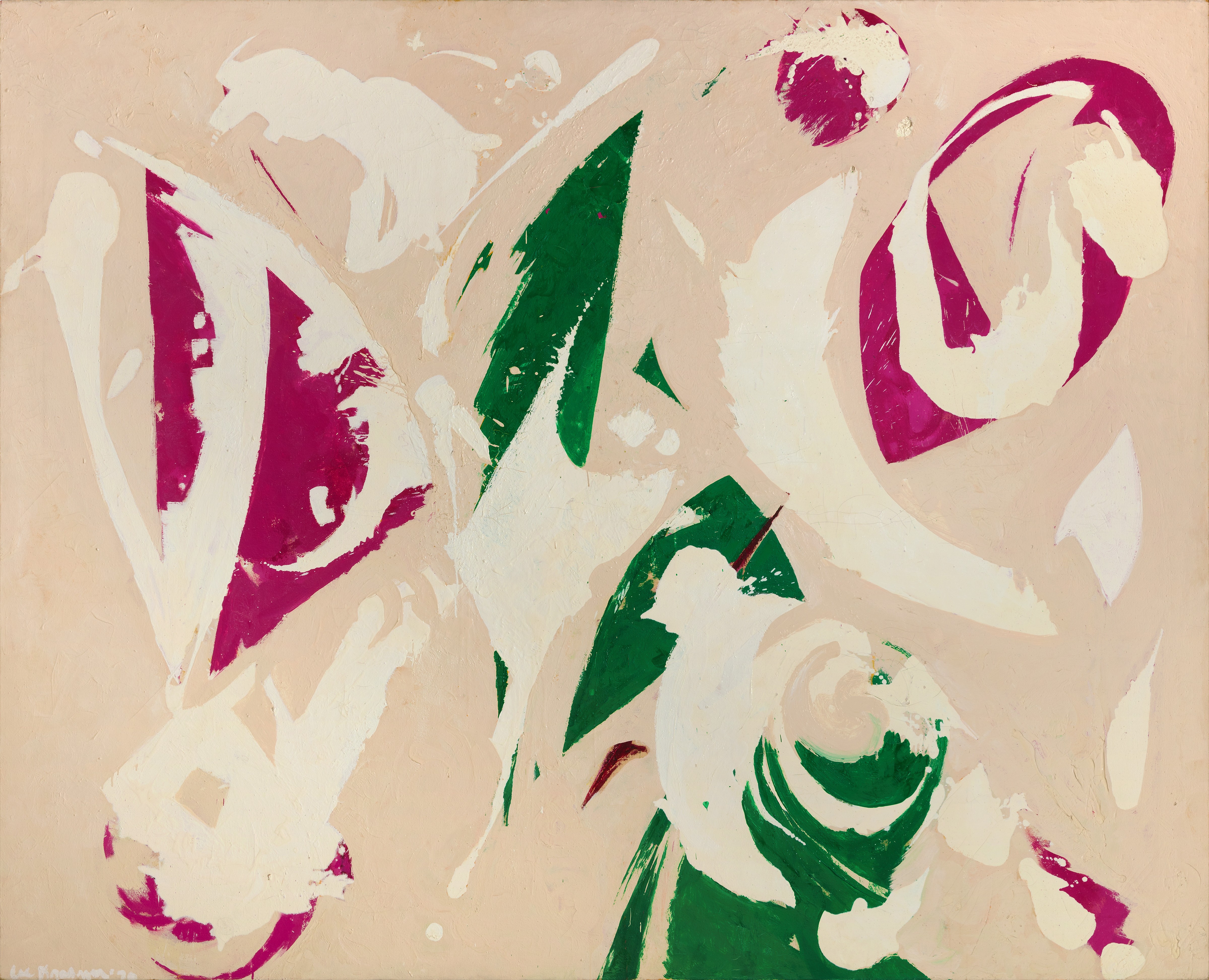
Ibrahim Mahama, Lee Krasner, Oscar Murillo, Tracey Emin and more: the exhibitions that turn Art Basel Paris week into something larger than a fair.

From a £5 million Brueghel and three major Alice Neel sales to George Rickey, global modernism and a £675,000 Triceratops skull, Frieze Masters rewarded collectors who looked beyond categories.