LATEST NEWS:
Jenny Holzer & Andy Goldsworthy win 2026 Praemium Imperiale • €9m Renoir museum heist in France • Dimitris Daskalopoulos donates 51 works to museums in Greece & Scotland • Artist Lucien Smith dies aged 37 • Faro Santander opens with 1,000-work collection • Argentina orders return of Nazi-looted Old Master • Greece rejects Parthenon Marbles loan request • Smithsonian chief Lonnie Bunch announces retirement
Go Back
Magazine

Minor Attractions 2026: Inside London’s Hotel Fair at The Newman

Minor Attractions returns for its fourth and largest edition, taking over 16 rooms at The Newman with more than 75 international participants. For collectors, the appeal is not simply that it is smaller than the major fairs, but that its hotel format changes how art, galleries and audiences meet.

Exhibitions
Exhibitions
Minor Attractions 2026: Inside London’s Hotel Fair at The Newman

During Frieze Week, London does not suffer from a shortage of art fairs. The more interesting question is what another fair can add. Minor Attractions has built its identity by answering that question structurally rather than rhetorically. Instead of reproducing the booth-and-aisle model at a reduced scale, it places galleries inside hotel rooms and asks them to work with the awkwardness, intimacy and domestic associations of the setting.

For its fourth edition, running from 13 to 17 October 2026, Minor Attractions has moved from The Mandrake to The Newman in Fitzrovia. The new venue gives the fair an entire first floor and 16 bedrooms, while the participant list has grown to more than 75 galleries, publishers, artist-led projects and cultural organisations from an increasingly international field. The result is the fair’s most ambitious edition so far, but its best quality remains the same: it feels close to the art.

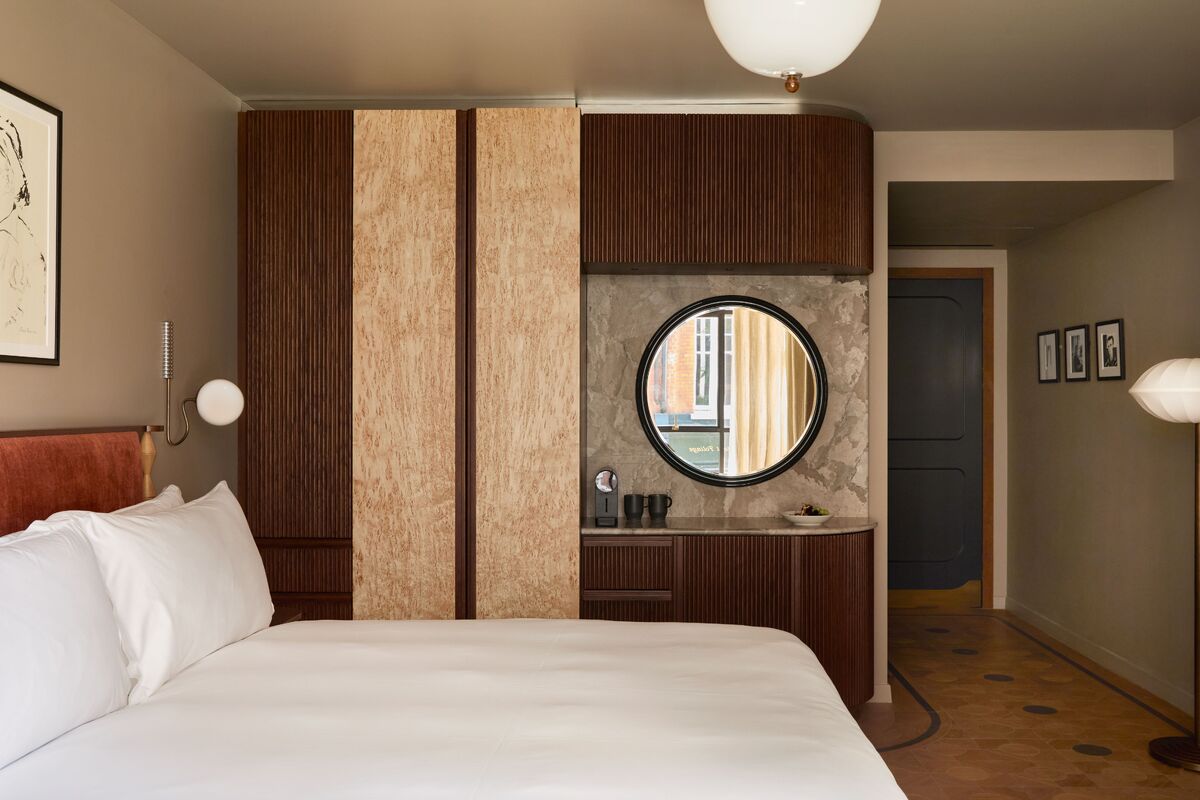
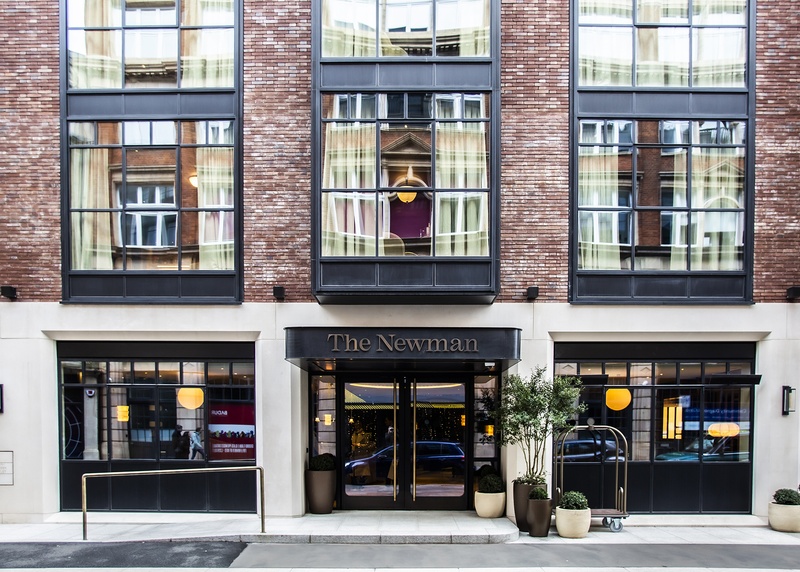
Guest room at The Newman hotel in Fitzrovia, host venue for Minor Attractions 2026
A guest room at The Newman, Fitzrovia, the host venue for Minor Attractions 2026. The fair transforms 16 rooms across the hotel’s first floor. Image: The Newman / The Caterer.

A hotel room changes the terms

There is a practical reason hotel fairs feel different. Scale is immediately legible. A painting above a bed, a sculpture beside a curtain or an object installed in a bathroom is encountered at roughly the distance at which art might actually live. That is especially useful for collectors. The neutral white cube is excellent at isolating an object, but it can also remove many of the spatial decisions that begin the moment a work enters a home.

At Minor Attractions, the room is not simply decoration around the art. It becomes part of the curatorial problem. A bed occupies the centre. Lighting cannot always be moved. Bathrooms and wardrobes remain visible. Corners behave like corners rather than disappearing into temporary fair architecture. The strongest presentations use those constraints rather than disguising them.

This year the fair has pushed that logic further by encouraging exhibitors to collaborate. Most rooms are shared, and the organisers have deliberately paired London galleries with visiting spaces. The Art Newspaper reported combinations including Harlesden High Street with Chicago’s Tala, Rotterdam’s JOEY RAMONE with London-based NORITO, and Sydney’s LAILA with s t a r c h, which operates between Singapore and London. Rather than splitting a room into miniature territories, galleries are being encouraged to make a single presentation together.

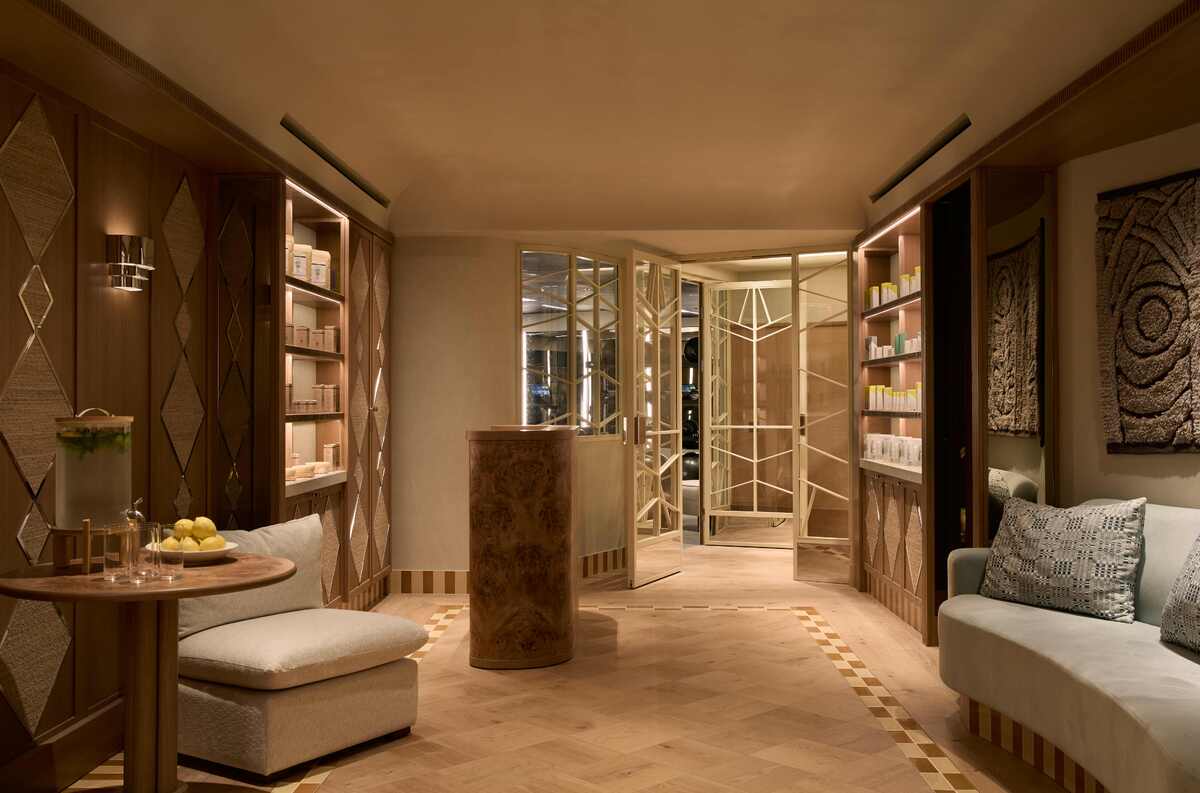
Interior of The Newman hotel in Fitzrovia, London
The Newman, Fitzrovia. Minor Attractions 2026 occupies the hotel’s first floor and 16 bedrooms. Image: The Newman / The Caterer.

Why collectors should pay attention

The value of a fair like Minor Attractions is not that every artist is unknown or every work inexpensive. It is that the conditions favour discovery. Large fairs are exceptionally efficient machines for comparison, but that efficiency can become exhausting: hundreds of galleries, thousands of works and a hierarchy of booth positions that begins shaping attention before a visitor has looked closely at anything.

Minor Attractions slows that process down. Rooms have thresholds. Visitors have to enter, turn, move around furniture and often speak directly with the people who made or brought the work. The sequence is less predictable. For a collector, that creates a useful kind of friction: more conversation, fewer sightlines competing at once, and a greater chance that a work is remembered in relation to a space rather than as one image among hundreds.

The 2026 list mixes London energy with galleries arriving from cities including New York, Chicago, Rotterdam, Amsterdam, Antwerp, Ghent, Tokyo, Sydney, Melbourne, Singapore, Berlin, Copenhagen, Milan, Mexico City and Paris. That international range matters because the fair is not positioning itself as a purely local counterculture event. It is increasingly functioning as a point of entry into London for younger or more experimental programmes that may not fit the economics or scale of a conventional international fair.

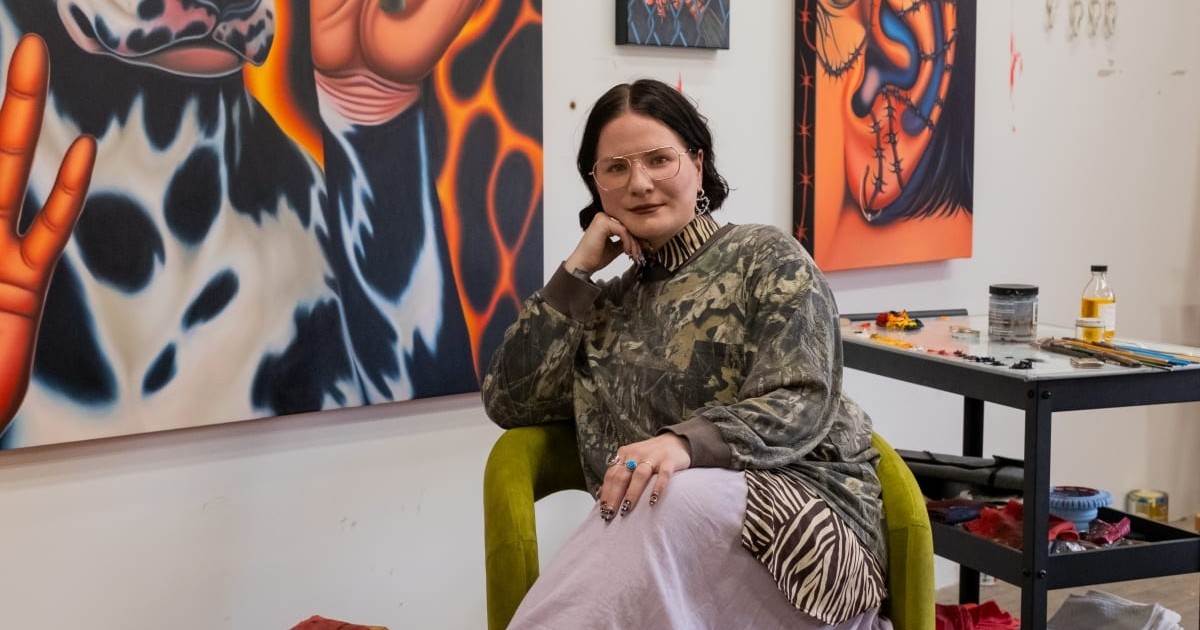
Artist Madeline Brice in her studio surrounded by paintings
Madeline Brice in her studio. Blah Blah Gallery is exhibiting Brice at Minor Attractions 2026. Image courtesy of Gallery Platform LA / Good Mother Gallery.

Not simply an ‘alternative fair’

Minor Attractions is often described in opposition to Frieze, but that comparison only gets so far. Its more convincing development is the construction of its own ecosystem. The fair now includes publishers as a formal part of the participant mix, with names such as Antenne Books, Die Quieter Please and New Papers. Moving image, radio, performance, talks and readings are integrated into the week rather than treated as decorative side programming.

The programme is unusually extensive for a fair of this scale. Moving-image screenings occupy Room 109 across multiple days. Amsterdam-based Trespassing has been commissioned for a durational performance moving through the hotel’s bedrooms and hallways. BOYS! BOYS! BOYS! hosts a conversation with Simon Amstell, while Film London takes over the moving-image programme on Thursday. Radio residencies occupy Room 101, and the programme extends beyond The Newman to Stück, The Nickel Cinema, The Horse Hospital and other venues around the city.

That expansion is important. It means Minor Attractions is becoming less a temporary marketplace and more a week-long cultural framework. There is still art for sale and collectors remain central to the event, but the social life around the transaction is being treated as part of the fair’s purpose rather than an afterthought.

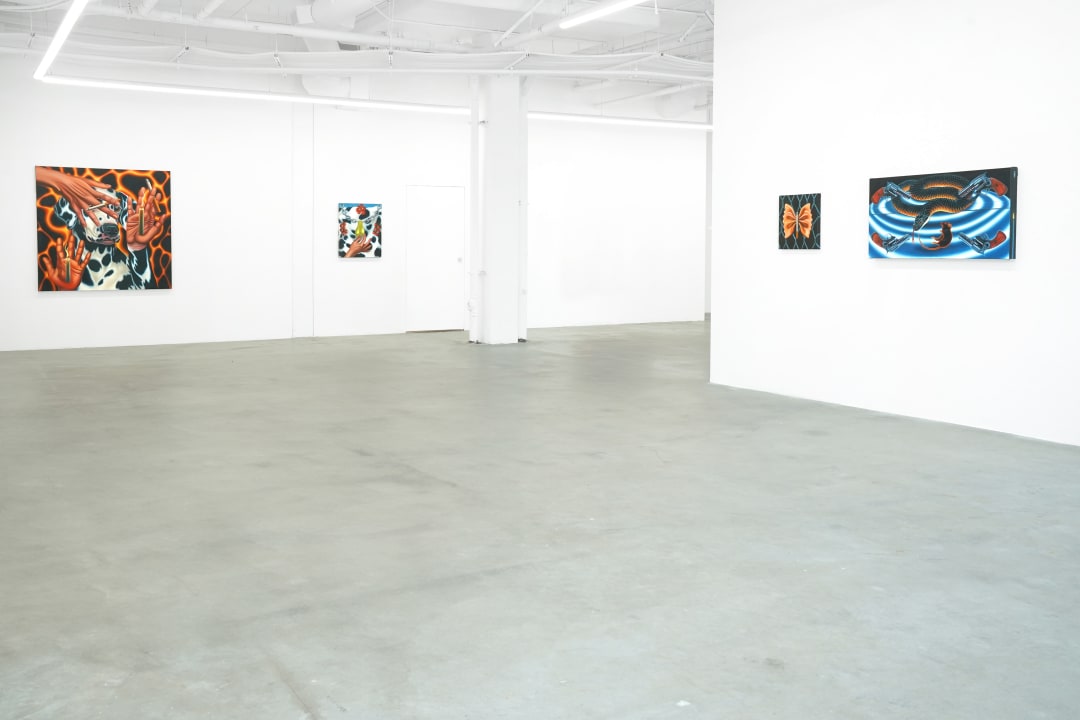
Installation view of paintings by Madeline Brice
Installation view of work by Madeline Brice. Blah Blah Gallery presents Brice at Minor Attractions 2026. Image courtesy of Good Mother Gallery.

The useful strangeness of the presentations

The most memorable material in the rooms tends to be the work that understands where it is. A hotel encourages artists and galleries to use shelves, windows, bedside tables and bathrooms as loaded spaces rather than neutral supports. The supplied press and on-site material shows how exhibitors are using beds, bathrooms, windows and the domestic architecture of the hotel as active parts of their presentations rather than treating each room as a neutral booth.

Best Wishes, one of the London participants, shows Bora Akinciturk’s Amber #14, The Mask and Amber #15, The Mask (2017), works made from collected ephemera encased in resin. In a conventional booth, their connection to consumer debris, memory and display might read primarily as material. In the compressed architecture of a hotel bathroom, those associations become harder to separate from the everyday objects around them. It is a small example of what the format can do when work and setting genuinely reinforce one another.

Elsewhere the fair rewards a different kind of attention: not only to individual artworks but to how galleries position themselves. JOEY RAMONE’s 2026 presentation includes Yesum Yoon and Linhuei Chen. Harlesden High Street has announced Savannah Harris’s interactive crane machine for Room 113, an artwork that introduces the logic of the fairground game directly into the collector experience. The Art Newspaper noted that visitors can pay £1 for a chance to win prizes from the machine — a deliberately modest transaction inside one of the most commercially intense weeks of the London art calendar.

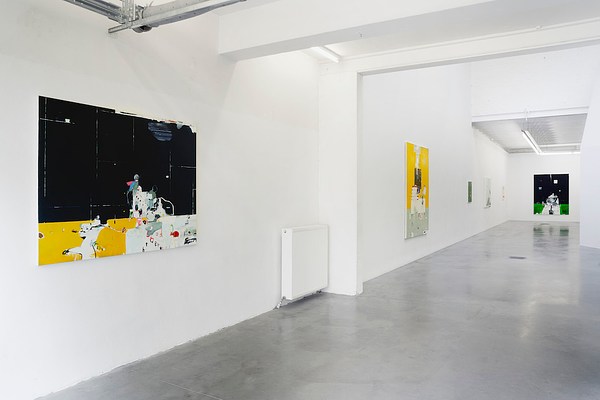
Installation view of paintings by Brian Harte at Tatjana Pieters
Installation view of Brian Harte at Tatjana Pieters. Tatjana Pieters presents Anneke Eussen and Brian Harte at Minor Attractions 2026. Image courtesy of the artist, Tatjana Pieters and Contemporary Art Library.

Growth without losing the reason for existing

The risk for any successful independent fair is obvious: the qualities that make it attractive can be eroded by the process of becoming bigger. Minor Attractions is now at exactly that point. The move to The Newman, the growing international roster and the broader public programme all signal ambition. What matters is whether the fair can preserve the permeability between artists, dealers, writers, publishers, collectors and the wider cultural scene that made it distinctive.

One encouraging development is Major Futures, a new non-profit arm created to support emerging creative practitioners. Its first programme is helping fund independent presentations during Frieze Week, with support raised through a charity auction and optional donations connected to fair events. In a period when smaller organisations and emerging practices face sharply rising costs, this is more than branding. It acknowledges that an alternative art ecosystem requires financial mechanisms as well as good intentions.

The fair’s decision to remain free to enter, with RSVP, also matters. Accessibility alone does not guarantee quality, but it changes who can repeatedly return. A young artist can come back after work. A collector can revisit a room rather than trying to complete the fair in one pass. A curator can see the presentation during the day and encounter the same network again through a performance, screening or radio event later in the week.

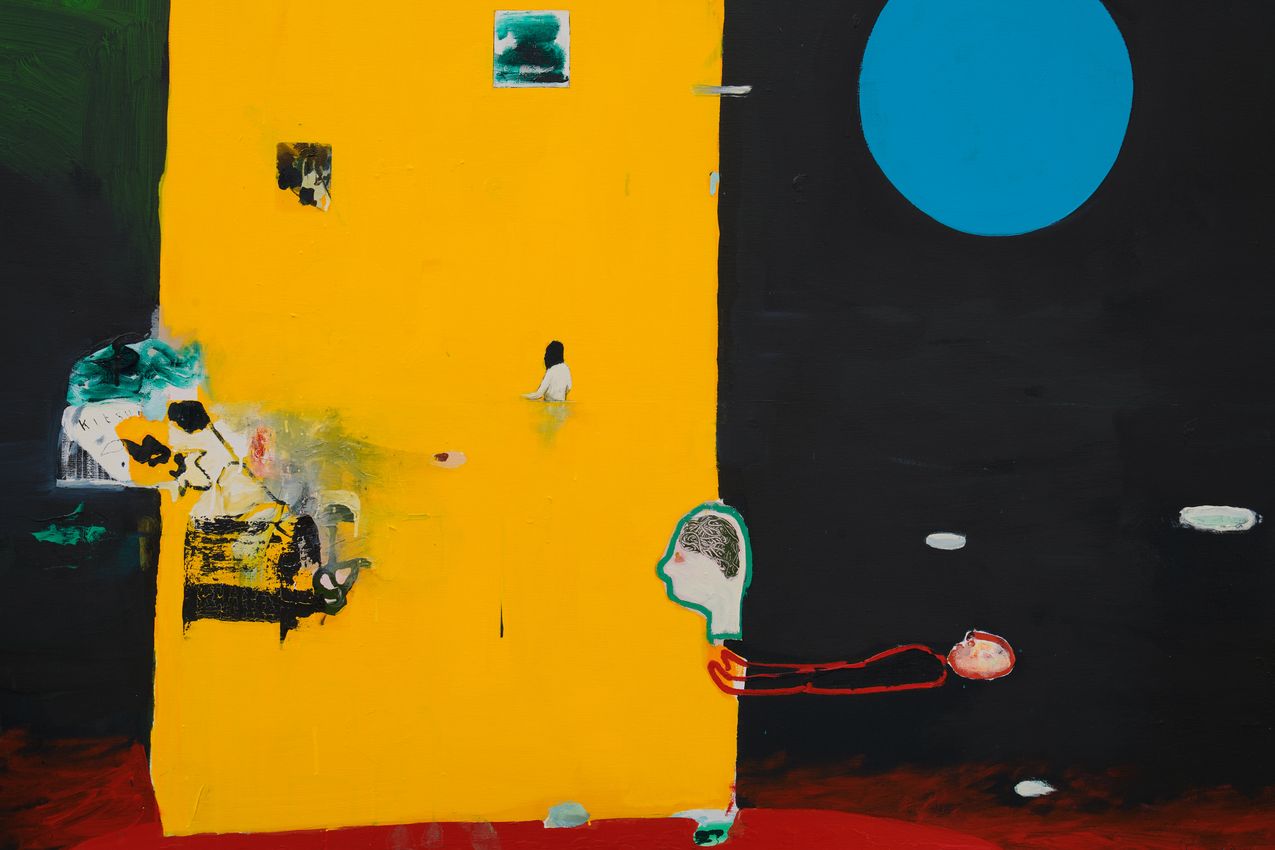
Painting by Brian Harte with yellow and black fields and a blue circle
Work by Brian Harte. Harte is presented by Tatjana Pieters at Minor Attractions 2026. Image: Ocula / courtesy of the artist and gallery.

What to do when you visit

Collectors should approach Minor Attractions differently from a checklist fair. Start with the rooms rather than the names. Look at how each presentation uses the space, then ask which gallery brought which work and why the collaboration was made. The conversations are part of the value. With younger programmes in particular, understanding how a gallery thinks can be as useful as identifying a single artist to follow.

It is also worth allowing time for the programme beyond the rooms. The moving-image strand includes contributions from Tick Tack, Goswell Road, Upstream, Clubhouse 88, Interrobang 11232, NeverAtHome and Benny’s Video. Film London presents work from its FLAMIN Fellowship cohort, while FLATLINE CITY brings a moving-image takeover and an interdisciplinary performance programme to The Horse Hospital. The radio programme rotates collaborators through Room 101, and the week closes with readings hosted by Meadow.

Those elements are not peripheral to the fair’s identity. Minor Attractions was founded in 2023 around the idea that the art world’s social infrastructure — the conversations, parties, publishing, music, screenings and informal networks — is not separate from the market. The 2026 edition makes that argument more confidently than before.

The ARTCOLLECTORNEWS view

The most interesting thing about Minor Attractions 2026 is not that it is smaller than Frieze. It is that it uses its scale differently. Sixteen hotel rooms cannot simulate an exhibition hall, and the fair is better for refusing to try. The setting creates intimacy, awkwardness and occasionally chaos, but those qualities are productive when galleries respond intelligently to them.

For established collectors, the fair offers a way to encounter emerging programmes without the visual saturation of a mega-fair. For newer collectors, it offers a relatively open environment in which asking questions feels natural. For galleries, the collaborative rooms introduce an element of curatorial risk that conventional booths often suppress. And for artists, the format creates opportunities to make the architecture part of the work.

Minor Attractions is no longer a novelty on the edge of Frieze Week. In its fourth edition, it has become part of the week’s ecology — still informal enough to be unpredictable, but established enough that international galleries are making the trip to London specifically to participate. The challenge now is to grow without becoming the thing it was designed to avoid.

Minor Attractions 2026
The Newman, 50 Newman Street, London W1T 3EB
13–17 October 2026
Free entry with RSVP; selected programme events require separate registration.
Full programme and RSVP: minorattractions.com

Date
Oct 14, 2026
Share

Latest Posts

October 14, 2026
Exhibitions
Exhibitions
Minor Attractions 2026: Inside London’s Hotel Fair at The Newman

Minor Attractions returns for its fourth and largest edition, taking over 16 rooms at The Newman with more than 75 international participants. For collectors, the appeal is not simply that it is smaller than the major fairs, but that its hotel format changes how art, galleries and audiences meet.
October 12, 2026
Articles
Articles
When the Digital Becomes Physical: Yelin Lee's Ghost Play

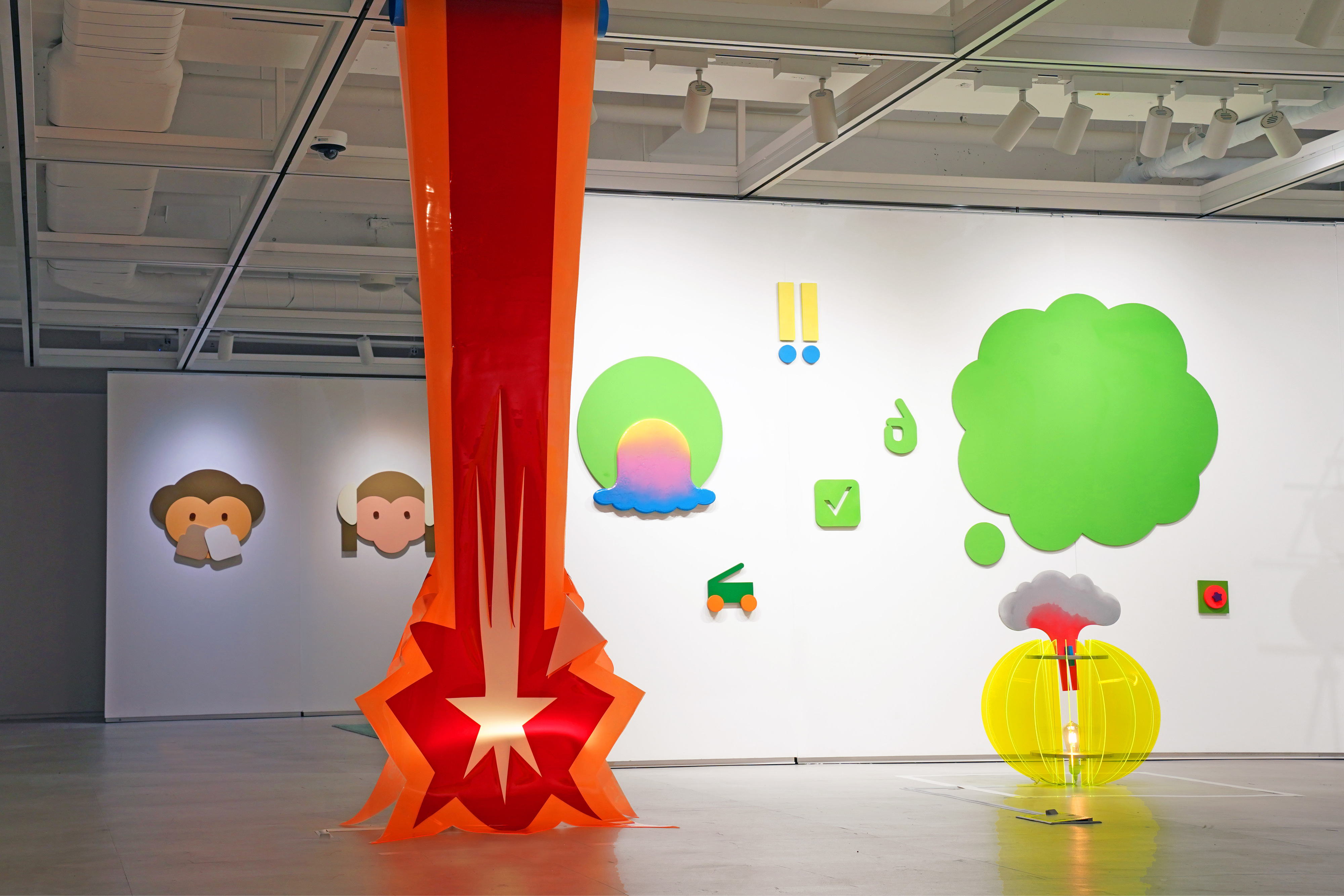
Yelin Lee's Ghost Play transforms emojis into sculpture, uses chroma-key screens and a two-minute delay, and turns visitors into their own fleeting afterimages.

October 11, 2026
Exhibitions
Exhibitions
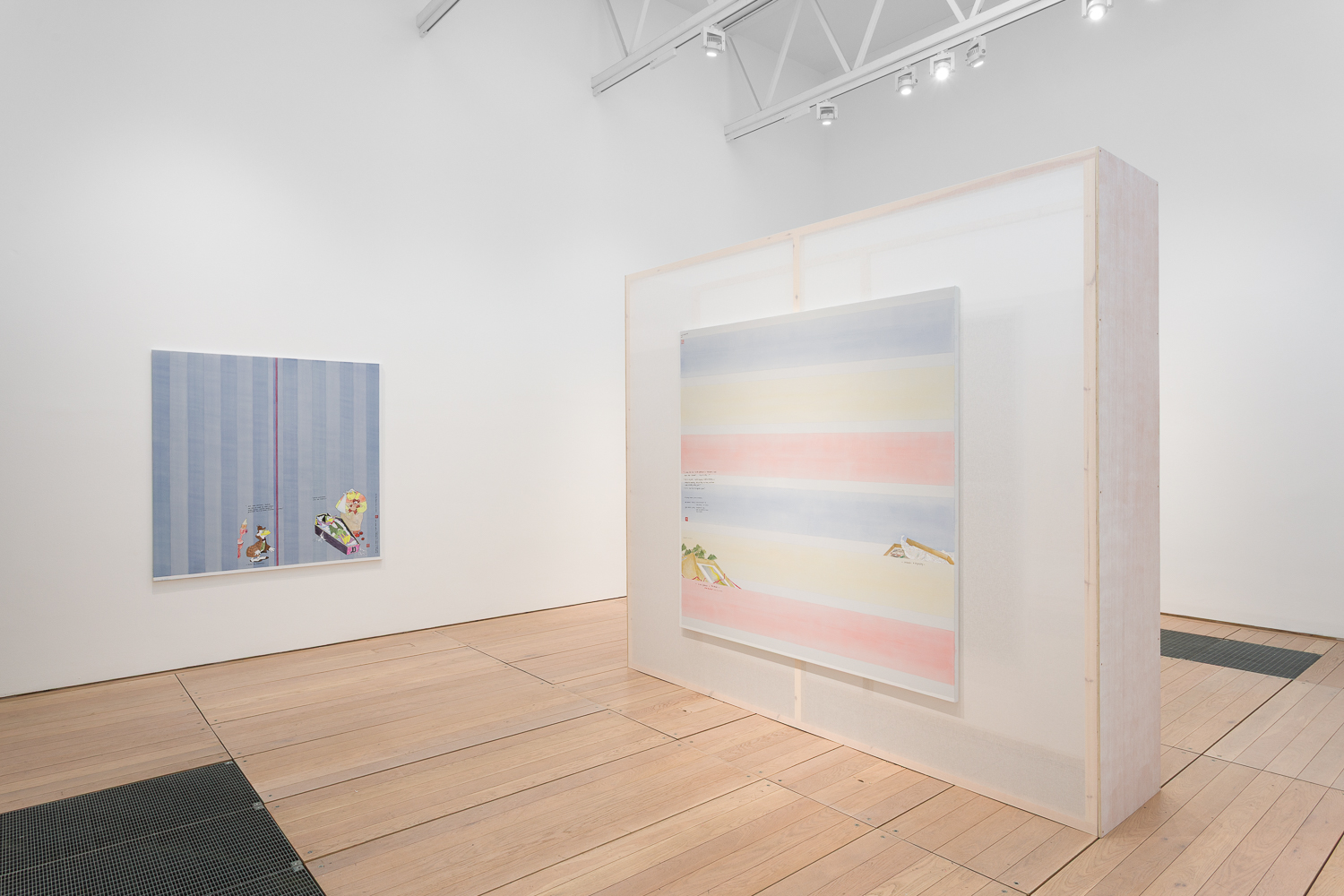
Evelyn Taocheng Wang: How Mistranslation Became an Artistic Method

In her first UK institutional exhibition, Evelyn Taocheng Wang turns mistranslation, Agnes Martin, Chinese literati painting and fantasies of Britain into a deliberately unstable language of identity.